Seasonal
"A Hidden Gem with a Thousand Faces?"... Hantangang UNESCO Global Geopark's Bidulginang Waterfall, a Springtime Spectacle
Discover Bidulginang Waterfall in the Hantangang Geopark, a stunning natural wonder that transforms with the seasons. Explore its unique geological features and surrounding beauty.
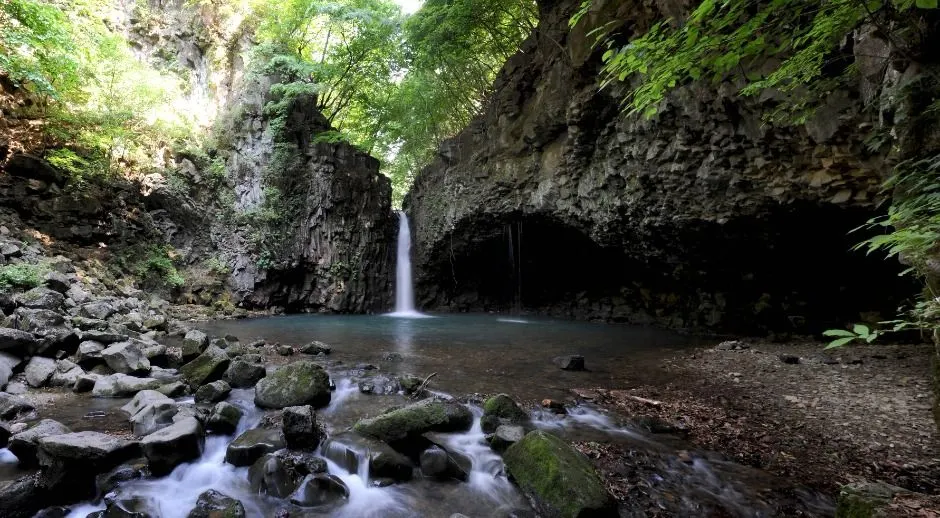
Nestled within the Hantangang UNESCO Global Geopark, Bidulginang Waterfall is a natural marvel that captivates visitors with its dynamic beauty, particularly during the spring. The waterfall, plunging into a clear pool surrounded by dramatic volcanic rock formations, offers a serene escape and a glimpse into Korea's geological past. This destination promises a refreshing journey for those seeking natural tranquility and unique landscapes.
The Allure of Bidulginang Waterfall

Bidulginang Waterfall, meaning 'pigeon's nest' in Korean, derives its name from the numerous pigeon nests that historically adorned its rocky cliffs. While the pigeons may be fewer today, the name evokes a sense of natural habitation and untouched beauty.
The waterfall itself is not exceptionally tall, but its charm lies in its setting: a curtain of water cascading into a deep, emerald-green pool, framed by striking columnar jointing – a testament to the area's volcanic origins. These hexagonal rock formations, sculpted by ancient lava flows, create a visually stunning amphitheater around the falls.
The surrounding Hantangang Geopark further enhances the waterfall's appeal. This region is renowned for its extensive network of trails that wind through diverse geological landscapes, including canyons, lava terraces, and significant fossil sites. The geopark's designation by UNESCO underscores its global importance in showcasing Earth's natural history.
Visitors can explore these trails, learning about the volcanic activity that shaped the land millions of years ago, making a trip to Bidulginang Waterfall an educational as well as a scenic experience. The interplay of water, rock, and vegetation creates a constantly evolving panorama throughout the year.
What Makes Bidulginang Waterfall Unique?

The defining feature of Bidulginang Waterfall is its geological context. It is situated within the Hantangang River basin, an area shaped by volcanic eruptions approximately 540,000 to 270,000 years ago.
The basaltic lava flows cooled and contracted, forming the distinctive columnar joints that are visible not only at the waterfall but also along the riverbanks and in nearby ravines. These geological structures are among the best-preserved in the world, offering a rare opportunity to witness the powerful forces of nature.
Beyond its geological significance, Bidulginang Waterfall offers a unique sensory experience. The sound of the falling water, the cool mist that rises from the pool, and the fresh, clean air contribute to a sense of rejuvenation. In spring, the surrounding area bursts into life with vibrant greenery and wildflowers, adding a layer of delicate beauty to the rugged landscape.
The contrast between the stark, geometric rock formations and the soft, organic life forms is particularly striking during this season. This natural artistry makes it a photographer's paradise and a tranquil retreat.
Experiencing the Natural Beauty

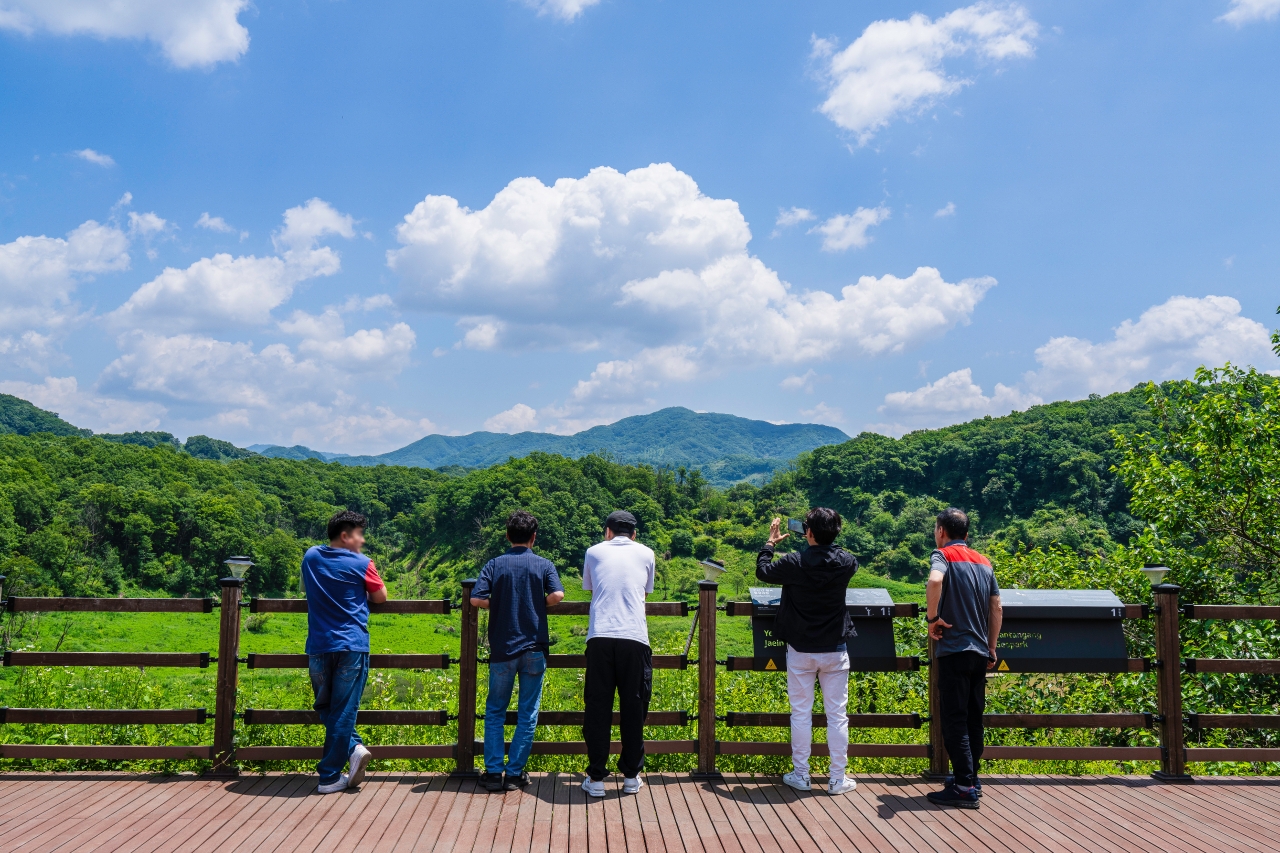
A visit to Bidulginang Waterfall is best enjoyed by taking the well-maintained walking paths that lead to various viewpoints. The main viewing platform offers an unobstructed view of the falls and the surrounding rock formations.
For a closer perspective, a short trail descends towards the base of the waterfall, allowing visitors to feel the spray and appreciate the scale of the columnar joints. Be mindful of the slippery surfaces, especially after rain or during the spring thaw.
Beyond the immediate vicinity of the waterfall, exploring the broader Hantangang Geopark is highly recommended. Trails such as the Hantangang River Peace Trail offer opportunities to discover other geological wonders, including the nearby Jajangni Waterfall and the impressive Goseokjeong Pavilion.
These trails are generally easy to moderate, making them accessible for most visitors. The park's interpretive centers provide valuable information about the area's geology and ecology, enriching the understanding and appreciation of the natural environment.
Tips for Your Visit
The best time to visit Bidulginang Waterfall is during spring (April to May) for the lush greenery and wildflowers, or autumn (September to October) for pleasant weather and vibrant foliage. Summer can be hot, and the waterfall's flow may be less impressive after periods of drought.
Winter offers a different kind of beauty, with potential ice formations, but access may be limited due to snow and ice.
Wear comfortable walking shoes, as you will be doing a fair amount of walking on natural trails. Bring water and snacks, especially if you plan to hike longer trails within the geopark.
Check the weather forecast before your visit, and be prepared for changing conditions. While admission to the waterfall area is typically free, some adjacent facilities or specific trails within the larger geopark might have associated fees or require reservations, so it's advisable to check the official Hantangang Geopark website for the latest information.
Bidulginang Waterfall is a stunning natural attraction that showcases the geological wonders of the Hantangang UNESCO Global Geopark. Its unique rock formations and the beauty of the cascading water make it a worthwhile destination for nature lovers and those seeking a peaceful escape.
A visit here offers a profound connection to the Earth's ancient history and a refreshing experience in the heart of Korea's natural landscape.

Where is Bidulginang Waterfall located?
It is located within the Hantangang UNESCO Global Geopark in Pocheon, Gyeonggi Province, South Korea.
What are the main attractions at the site?
The main attraction is the Bidulginang Waterfall itself, with its surrounding columnar jointed cliffs and a clear pool.
Is there an admission fee for Bidulginang Waterfall?
Typically, there is no admission fee to view the waterfall, but check the official geopark website for any changes or fees for specific trails.
What are some nearby attractions?
Nearby attractions include Goseokjeong Pavilion, Jajangni Waterfall, and various trails within the Hantangang Geopark.
How can I get to Bidulginang Waterfall?
Public transport involves buses to Pocheon, followed by local buses or taxis. Driving is also an option with available parking.