Itinerary
"A lake where dictators once vacationed?"... Hwajinpo, Gangwon's borderland gem
Explore Hwajinpo Lake, a unique coastal lagoon in Goseong, Gangwon, with geological significance and a complex history.
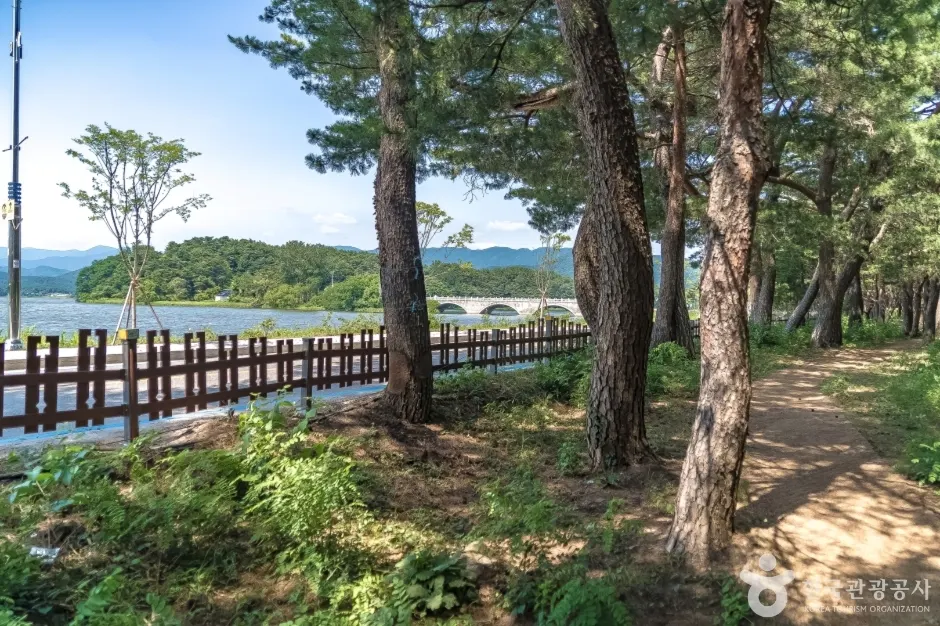
Hwajinpo Lake, nestled on the eastern coast of Goseong, Gangwon, is more than just a scenic body of water. Designated as part of the Gangwon Peace Region National Geopark, this brackish coastal lagoon boasts unique geological and ecological features. Its distinctive landscape, formed by a narrow sand spit separating it from the East Sea, offers a tranquil escape with a complex historical narrative.
The Geological and Ecological Allure of Hwajinpo
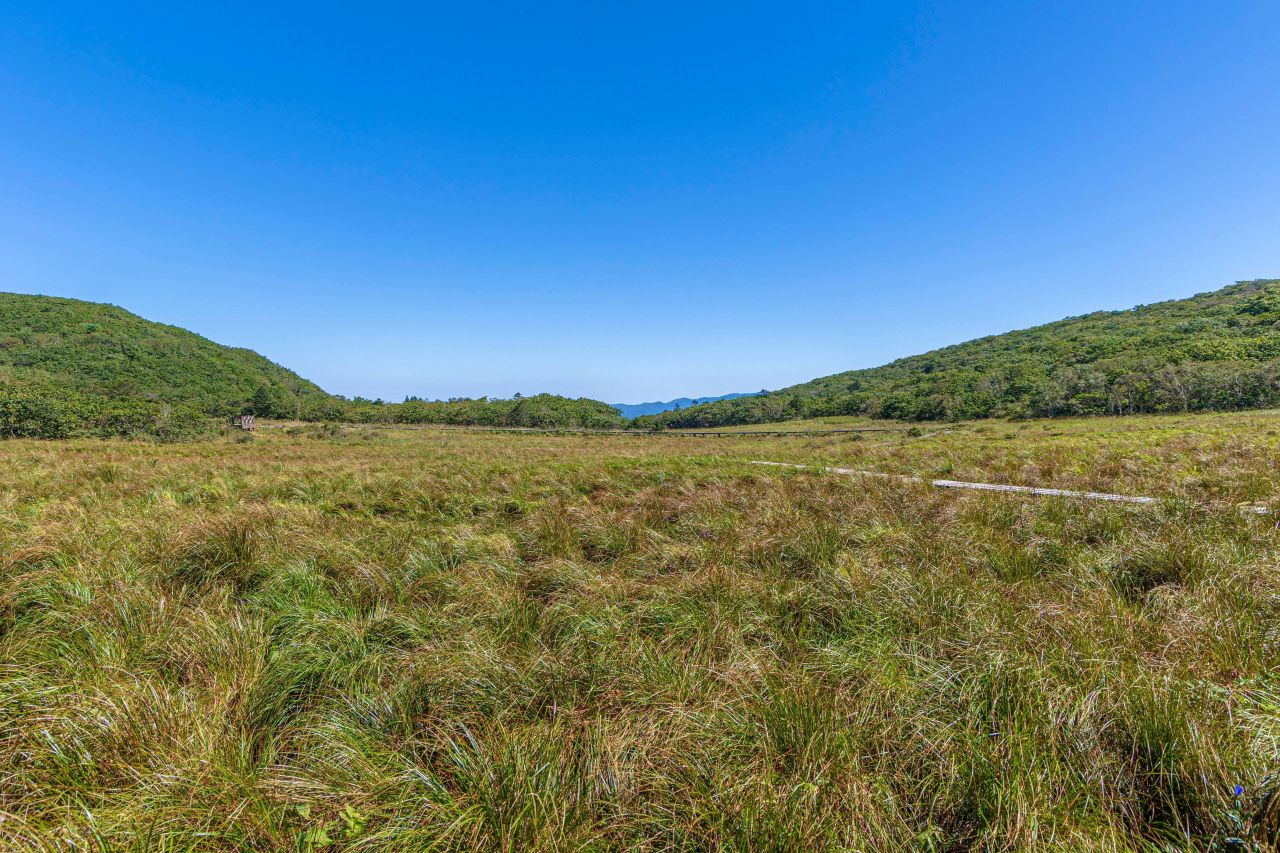
Hwajinpo's designation as part of the Gangwon Peace Region National Geopark underscores its significant geological value. The lake is a prime example of a coastal lagoon, formed over millennia by the interplay of sea level changes and coastal processes.
A narrow sand spit, composed of fine sand and shells, acts as a natural barrier, separating the lake's brackish waters from the dynamic East Sea. This unique geological formation creates a distinct ecosystem, fostering a rich biodiversity that thrives in the transition zone between freshwater and saltwater environments.
The surrounding landscape further enhances Hwajinpo's appeal. Dense pine forests fringe the lake, their verdant canopies creating a striking contrast with the shimmering water surface and the blue expanse of the sea beyond.
Walking or cycling paths wind through these forests, offering visitors a chance to immerse themselves in the natural beauty. The air is often filled with the scent of pine and the gentle sound of waves, creating a serene atmosphere that belies the area's geopolitical proximity to the border.
A Glimpse into Korea's Divided History

Beyond its natural splendor, Hwajinpo holds a poignant place in modern Korean history. The lake served as a summer retreat for prominent figures during a tumultuous period.
Notably, it was the site of vacation residences for both Syngman Rhee, the first president of South Korea, and Kim Il-sung, the founder of North Korea. The presence of these historical structures, though now serving as museums or exhibition spaces, offers a tangible connection to the nation's divided past and the complex relationships that shaped it.
Visiting these former residences provides a unique perspective on the personal lives of leaders who played pivotal roles in the Korean War and the subsequent division of the peninsula. The Rhee Syngman Residence, perched on a hill overlooking the lake, offers panoramic views and exhibits related to his presidency.
The Kim Il-sung Residence, also situated nearby, provides insights into the North Korean leader's time in the area. These sites serve as quiet reminders of the intertwined yet separate destinies of North and South Korea.
Exploring Hwajinpo: Activities and Experiences

A visit to Hwajinpo offers a variety of activities for nature lovers and history buffs alike. The most popular way to experience the lake is through leisurely cycling or walking along its perimeter.
Well-maintained paths allow visitors to enjoy the picturesque scenery at their own pace, stopping to admire the reflections on the water or the diverse birdlife that inhabits the area. Birdwatching is a significant draw, especially during migration seasons, when various species find refuge in the lagoon's rich feeding grounds.
For those interested in the historical aspect, exploring the former presidential and leadership residences is a must. The Hwajinpo Castle, a historical building that once served as a Japanese military observatory, now houses an exhibition on the former residences.
These sites offer a deeper understanding of the region's past and its role in the geopolitical landscape. You can also visit the nearby DMZ Museum to further contextualize the area's significance within the broader framework of the Korean border.
Practical Tips for Your Hwajinpo Visit

Hwajinpo is accessible year-round, with each season offering a different charm. Spring brings blooming flowers to the surrounding hills, while summer offers warm days perfect for lakeside activities. Autumn paints the landscape in vibrant colors, and winter provides a stark, serene beauty. The best time to visit often depends on personal preference, though avoiding major Korean holidays can help ensure a more peaceful experience.
Getting to Hwajinpo typically involves traveling to Goseong County in Gangwon Province. Public transportation options include buses from major cities like Seoul to Sokcho or Goseong, followed by local buses or taxis to the lake.
If driving, ample parking is usually available near the main attractions. Consider combining your visit with other attractions in the Gangwon Peace Region or the nearby DMZ area for a comprehensive itinerary.
Where is Hwajinpo Lake located?
Hwajinpo is located in Goseong County, Gangwon Province, on the eastern coast of South Korea, near the border.
What are the main attractions at Hwajinpo?
Key attractions include the coastal lagoon itself, pine forests, the former residences of Syngman Rhee and Kim Il-sung, and Hwajinpo Castle.
Is there an admission fee for Hwajinpo?
Admission to the lake area is generally free, but there may be small entrance fees for the historical residences and museums.
What can I pair with a visit to Hwajinpo?
Consider visiting nearby DMZ attractions, Goseong Unification Observatory, or other sites within the Gangwon Peace Region National Geopark.
How can I best experience Hwajinpo?
Rent a bicycle to cycle around the lake, visit the historical residences, and enjoy birdwatching, especially during migration seasons.