Seasonal
Hwajinpo Beach Visitor Guide — History & Sea
Hwajinpo Beach offers a unique blend of natural beauty and historical resonance, with former presidential and leader villas overlooking a serene lagoon and pine-fringed shore.
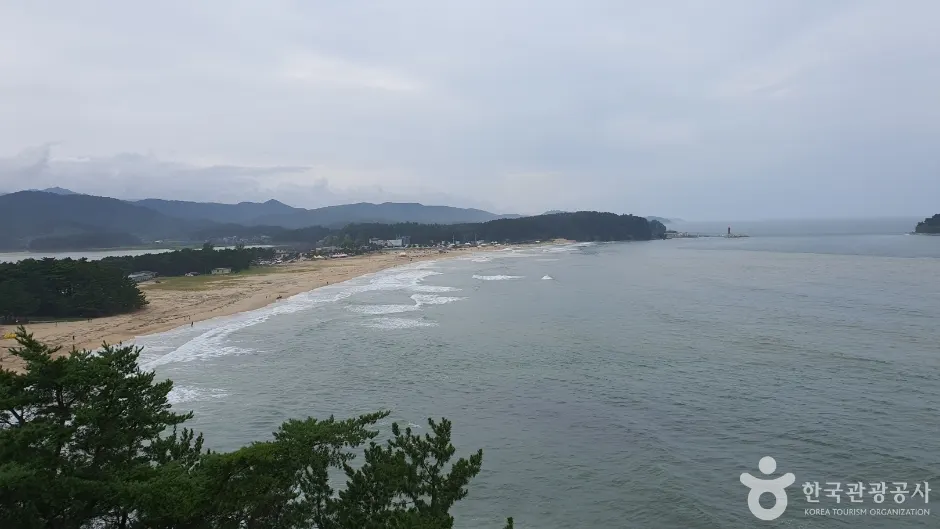
Opened in 1973, Hwajinpo Beach is a stretch of white sand made of monazite, a fine sand made of crushed shells and rocks over tens of thousands of years. Monazite sand makes a distinct sound when stepped on and repels ants. The beach is 1.7 kilometer long, about 70 meters wide, and 1.5 meters in average depth. The beach attracts many tourists with its fine white sand, clear waters, and shallow depths. Its view is characterized by scenic landscape of handsome rock formations and lush pine forests surrounding the massive Hwajinpo Lake. The area is home to the Villa of Kim Il-sung, the Villa of Syngman Rhee, the Villa of Lee Ki-poong, and Hwajinpo Maritime Museum. The scenic view of the bamboo forest on Geumgudo Island and the seagulls flying over the water will leave visitors in awe.
Why Hwajinpo Beach matters

Hwajinpo Beach is renowned for its pristine natural setting, characterized by a wide expanse of white sand that gently slopes into clear, inviting waters. The beach is bordered by a beautiful lagoon, itself embraced by a dense forest of pine trees, creating a picturesque backdrop.
While the beach itself is a primary draw, particularly during the summer months from July to August when the swimming conditions are ideal, Hwajinpo offers a multifaceted experience. The clear waters and broad sandy shores are perfect for a relaxing day by the sea.
The prime season for enjoying Hwajinpo Beach is during July and August, when the weather is warm and the sea is at its most inviting for swimming. However, the historical sites are accessible year-round, and the surrounding natural scenery offers beauty in every season, particularly during autumn when the pine forests turn golden.
Official visitor information
Official address: .
Official visiting hours: July-August 06:00-24:00.
Official closure information: Open all year round.
Parking: Available · [Parking fees] Small-sized vehicle 5,000 won per day / Mid- & large-sized vehicles 10,000 won per day.
Official information contact: +82-33-680-3356.
How to use this guide
Use the official information above as the planning baseline. Opening arrangements, programs, admission conditions, and access rules can change after this review. Follow the official source links before traveling, especially when your visit depends on a particular exhibition, performance, seasonal activity, or facility.
The remaining recommendations on this page are editorial guidance for understanding the setting and organizing a visit. They are not a substitute for instructions issued by the venue, local government, cultural-property authority, or transport operator.
Responsible visit checklist
Before leaving
- Open the official venue page and confirm the latest operating notice.
- Check weather and transport conditions on the day of travel.
- Respect residential, religious, ecological, and cultural-property rules where applicable.
- Allow flexibility rather than relying on an exact minute-by-minute schedule.
- Use the official information contact when accessibility or reservation details are essential.
Where is Hwajinpo Beach?
Where should I confirm current hours and closures?
Use the official source links in the reviewed-for-accuracy panel on this page.
When was this information checked?
The reviewed-for-accuracy panel shows the latest human review date and source record.