Seasonal
Namsa Yedamchon Village Visitor Guide — Sancheong's Living History
Wander through Namsa Yedamchon, a remarkably preserved traditional Korean village in Sancheong, Gyeongsangnam-do, where ancient stone walls and hanok homes offer a glimpse into the past.
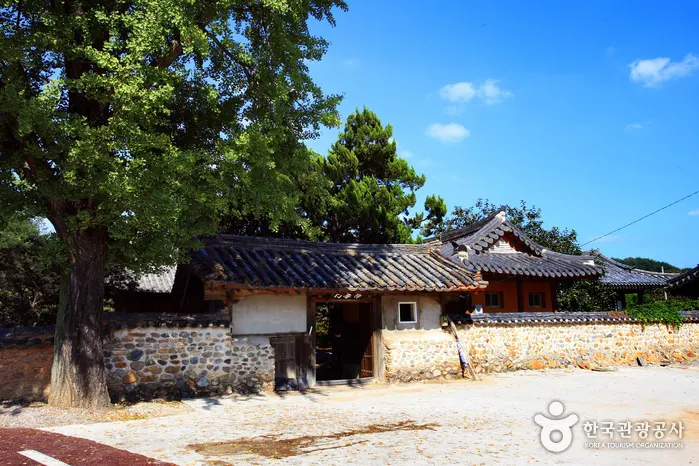
Namsa Yedamchon Village is situated at the foot of Jirisan Mountain. It is a traditional hanok village renowned for its history as the birthplace of accomplished scholars, adding to the region's rich scholarly tradition. This meticulously preserved village boasts ancient hanok houses, venerable trees, and historic walls. Beyond its significance as a center for traditional culture, the picturesque village also offers experiential programs, including the opportunity to wear hanbok and engage in traditional games. ◎ Travel information discovering the charm of Hallyu - Drama Namsayedamchon, where Yoon Cho-won and Ha Do-yoon once visited together during a business trip, is a representative hanok village in the Gyeongsang-do region. It offers warm and charming views of traditional Korean houses visible over low stone walls. Visitors can not only explore the hanok village but also enjoy a variety of traditional cultural experiences, such as traditional wedding ceremonies, natural dyeing using pagoda tree flowers, and folk games. It is an ideal place to experience Korean culture in greater depth.
Why Namsa Yedamchon Village (남사예담촌) matters

Step into Namsa Yedamchon Village and feel the gentle embrace of time. This traditional Korean village in Sancheong, Gyeongsangnam-do, is a living museum, where the charm lies not in grand monuments, but in the quiet elegance of its stone walls and historic hanok homes. The name 'Yedam' itself, meaning to cultivate virtue, hints at the village's serene and contemplative spirit, inviting visitors to slow down and appreciate the enduring beauty of a bygone era.
The most striking feature of Namsa Yedamchon is undoubtedly its network of serpentine stone walls, known locally as 'damsajang'. These walls, constructed from local stones, are not merely boundaries but an integral part of the village's aesthetic and historical narrative.
Unlike meticulously planned tourist sites, Namsa Yedamchon feels organically grown, with homes and walls adapting to the natural contours of the land. This unpretentious preservation allows visitors to feel like they are stepping directly into a scene from Korean history.
Namsa Yedamchon is a treasure trove for anyone interested in traditional Korean architecture. The village boasts a significant concentration of well-preserved hanok homes, many of which date back several centuries.
The village's beauty is further enhanced by its picturesque setting. Nestled at the foot of gentle mountains, Namsa Yedamchon benefits from the clean air and natural splendor for which Sancheong is renowned.
This integration of human settlement with nature is a hallmark of traditional Korean aesthetics. The way the hanok roofs align with the mountain ridges and the stone walls follow the natural terrain exemplifies this philosophy.
A visit to Namsa Yedamchon is best enjoyed at a leisurely pace. The primary activity is simply wandering through the alleys, allowing the serpentine stone walls and the historic hanok homes to reveal themselves at their own rhythm.
Official visitor information
Official address: 10 Jirisan-daero 2897beon-gil, Danseong-myeon, Sancheong-gun, Gyeongsangnam-do.
Official visiting hours: Open 24 hr.
Official closure information: N/A (Open all year round).
Parking: Available.
Official information contact: +82-70-8199-7107.
How to use this guide
Use the official information above as the planning baseline. Opening arrangements, programs, admission conditions, and access rules can change after this review. Follow the official source links before traveling, especially when your visit depends on a particular exhibition, performance, seasonal activity, or facility.
The remaining recommendations on this page are editorial guidance for understanding the setting and organizing a visit. They are not a substitute for instructions issued by the venue, local government, cultural-property authority, or transport operator.
Responsible visit checklist
Before leaving
- Open the official venue page and confirm the latest operating notice.
- Check weather and transport conditions on the day of travel.
- Respect residential, religious, ecological, and cultural-property rules where applicable.
- Allow flexibility rather than relying on an exact minute-by-minute schedule.
- Use the official information contact when accessibility or reservation details are essential.
Where is Namsa Yedamchon Village (남사예담촌)?
10 Jirisan-daero 2897beon-gil, Danseong-myeon, Sancheong-gun, Gyeongsangnam-do
Where should I confirm current hours and closures?
Use the official source links in the reviewed-for-accuracy panel on this page.
When was this information checked?
The reviewed-for-accuracy panel shows the latest human review date and source record.