Itinerary
Park Soo Keun Museum Visitor Guide — Yangyang, Modern Art
Discover the life and art of Park Soo Keun at his namesake museum in Yangyang. A journey through Korean modernism awaits.
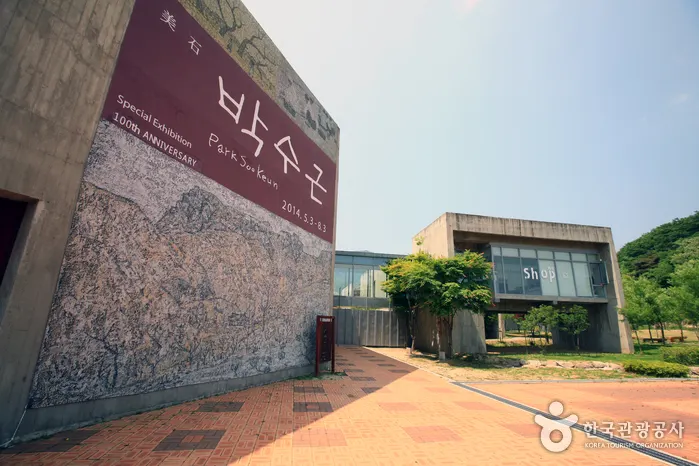
Park Soo Keun (1914-1965) was an artist who devoted his life to drawing the lives of ordinary people with a warm gaze. The Park Soo Keum Museum, which has a floor space of 700 square meters, is built upon the artist’s birthplace in his hometown in Yanggu-gun, Gangwon-do. The museum was founded with the intent to develop into a major cultural space for the region and to honor Park Soo Keun’s life and art. The collection of Park Soo Keun’s artworks shown at the museum include his oil paintings, a number of prints such as "The Tree and Two Ladies" and "Tapdori," watercolor painting "Watercolors," and dozens of other drawings.
Why Park Soo Keun Museum matters

The museum’s location in Yangyang, Park Soo Keun’s birthplace, adds another layer of significance. It allows visitors to connect the artist's life and work to the specific environment that shaped him.
The comprehensive collection at the Park Soo Keun Museum is its crowning glory. It includes a significant number of his oil paintings, watercolors, and his iconic stone-print-like drawings, which are particularly unique.
In addition to artworks, the museum also displays personal artifacts, documents, and photographs related to Park Soo Keun's life. These elements provide a more intimate portrait of the artist, offering glimpses into his studio, his family life, and his interactions with fellow artists and critics.
Official visitor information
Official address: 265-15, Parksookeun-ro, Yanggu-gun, Gangwon-do.
Official visiting hours: 09:00-18:00 · * Last admission is 1 hour before closing..
Official closure information: Mondays (except when Monday is a holiday), January 1, the morning of Seollal (Lunar New Year's Day) & Chuseok (Korean Thanksgiving Day).
Parking: Available.
Official information contact: • 1330 Travel Hotline: +82-2-1330 · (Korean, English, Japanese, Chinese) · • For more info: +82-33-480-7226.
Official admission information: Adults (ages 20 & older) 6,000 won · Students (elementary school to high school) 3,000 won · · * Free admission: Senior citizens (ages 65 & older), preschoolers (ages 7 & under).
How to use this guide
Use the official information above as the planning baseline. Opening arrangements, programs, admission conditions, and access rules can change after this review. Follow the official source links before traveling, especially when your visit depends on a particular exhibition, performance, seasonal activity, or facility.
The remaining recommendations on this page are editorial guidance for understanding the setting and organizing a visit. They are not a substitute for instructions issued by the venue, local government, cultural-property authority, or transport operator.
Responsible visit checklist
Before leaving
- Open the official venue page and confirm the latest operating notice.
- Check weather and transport conditions on the day of travel.
- Respect residential, religious, ecological, and cultural-property rules where applicable.
- Allow flexibility rather than relying on an exact minute-by-minute schedule.
- Use the official information contact when accessibility or reservation details are essential.
Where is Park Soo Keun Museum?
265-15, Parksookeun-ro, Yanggu-gun, Gangwon-do
Where should I confirm current hours and closures?
Use the official source links in the reviewed-for-accuracy panel on this page.
When was this information checked?
The reviewed-for-accuracy panel shows the latest human review date and source record.