Seasonal
Korea in Late July 2026: What Is Actually in Bloom and What to Skip
Late July in Korea is not off-season — it is lotus season, hydrangea tail-end, and the start of sunflower fields. A practical bloom-and-crowd guide for the next two weeks.
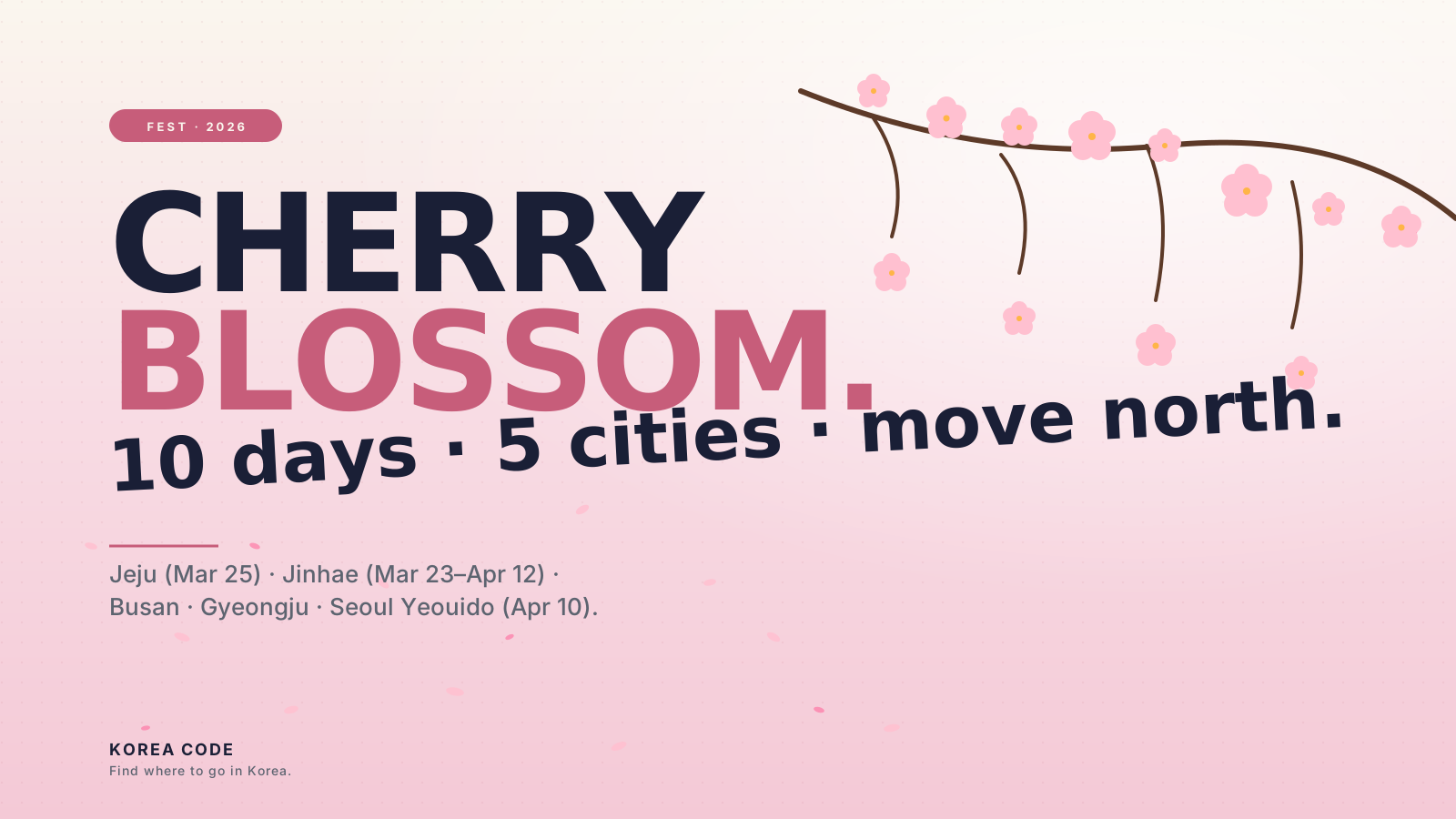
Foreign visitors often assume Korea in late July is a botanical dead zone between spring cherry blossoms and October foliage. It is not. Late July is peak lotus season, the last week of hydrangea in Jeju, and the opening week of Taean's sunflower fields. Here is what is realistically photographable in the next 14 days, and where the visit will feel wasted.
Lotus is the flower of late July in Korea
The single strongest bloom in late July is lotus. Bongeunsa Temple in Gangnam (₩0 admission), Semiwon Garden in Yangpyeong (₩10,000 adult), and Buyeo Gungnamji Pond (₩0) all peak between July 20 and August 5. Semiwon is the most photographed — bring a wide lens and expect crowds after 10 a.m. Gungnamji is quieter and about 2 hours from Seoul by KTX + local bus, best as a half-day trip with Buyeo National Museum next door.
Jogyesa in Insadong runs a Lotus Lantern display through the first week of August that is worth the 10-minute stop, though the temple courtyard itself is small — this is not a destination visit, it is a pairing with a Bukchon or Insadong walk.
Hydrangea is ending in Jeju, still viable in Gapyeong
Jeju hydrangea peaks in early July and is usually 60–70% past bloom by July 20. Sanbangsan Temple hydrangea road and Camellia Hill hydrangea garden are still worth visiting through July 25 but expect washed-out colors. In Gapyeong (about 90 minutes from Seoul via Gyeongchun Line), Petite France and The Garden of Morning Calm hold hydrangeas about 2 weeks longer than Jeju.
What to skip in late July
Cherry blossoms are 3 months past — the trees are green, the streets are normal, and any tour marketing "cherry blossom viewing" in late July is misleading. Namsangol Hanok Village is technically open but the outdoor courtyards during peak humidity are uncomfortable; the interiors are worth the visit but plan for a short 1-hour stop only. Nami Island is fine but the metasequoia lane's shade is the whole reason to go — mid-day sun makes the ferry crowds a chore.
The one thing late July gives that no other month does
Late July is the only window where lotus, late hydrangea, and early sunflower can all be seen in one Seoul-based day trip. Taean sunflower fields opened July 15 in 2026 and run through August 25 — a 2.5-hour drive from Seoul or a 3-hour bus. Combined with Semiwon (lotus) on the way back, the day gives three distinct blooms — a botanical week that April cannot match.
Late-July practical notes
- Semiwon opens at 09:00. Arrive by 09:30 for the water-mirror photos before crowds.
- Bring cash for Taean sunflower fields — some entrance gates do not take card.
- UV index is 10+ most days. Sunscreen and a wide-brim hat matter more than umbrellas in the absence of monsoon bursts.
- Bongeunsa opens 04:00. Sunrise lotus reflections are the highest-value photo of the week.
- Hydrangea shots benefit from overcast days — check the KMA hourly forecast, not the daily.
Is late July too hot to visit Korea?
Only if the itinerary is outdoor-heavy. Morning botanical visits (before 10 a.m.) and afternoon indoor plans (museums, cafes, jjimjilbang) make late July viable. Avoid a mountain-only trip.
Are cherry blossoms visible anywhere in late July?
No. Korean cherry blossoms bloom only late March through mid-April. Any July marketing showing cherry blossoms is stock photography from spring.
What is the best day-trip from Seoul in late July?
Yangpyeong: Semiwon lotus + Dumulmeori confluence + traditional lunch, ~40 minutes from Cheongnyangni Station via ITX-Cheongchun.