Seasonal
Lotus Lantern Festival Seoul 2026 Guide
Lotus Lantern Festival 2026 Seoul — UNESCO Buddhist parade, schedule, where to watch, lantern-making workshops, what to know.
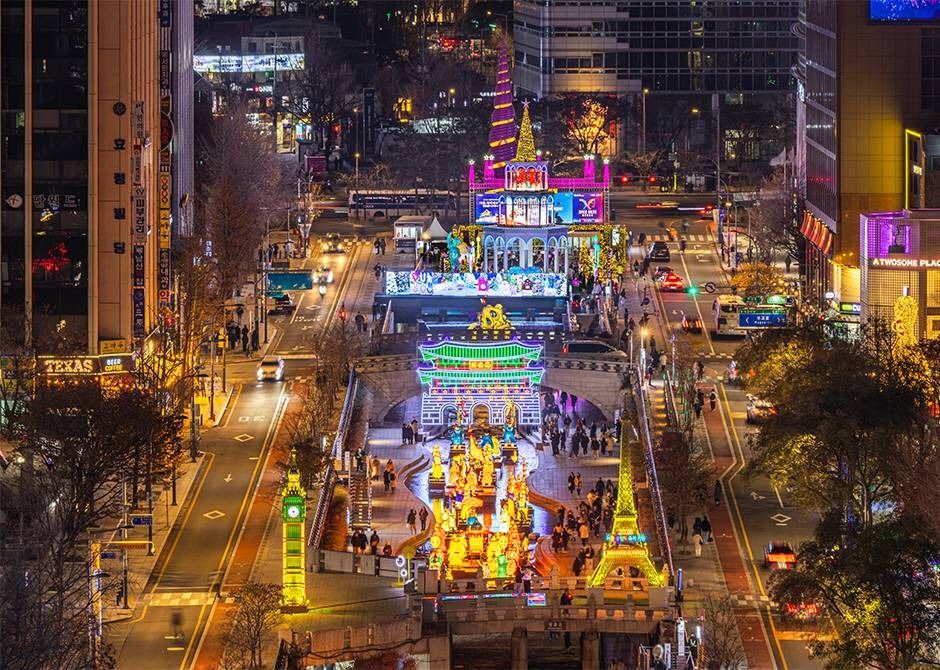
The Lotus Lantern Festival (Yeondeunghoe) is a UNESCO Intangible Cultural Heritage celebration of Buddha's birthday — Korea's most-photographed traditional festival featuring 200,000+ paper lanterns lit across central Seoul. Held annually from late April to early May, with the main parade on the Saturday before Buddha's birthday. 2026 schedule: parade Saturday May 16; main festivities April 25 - May 17. This 2026 guide covers timing, where to watch, and how to participate.
2026 schedule and parade route
The grand parade (Yeondeung Haengnyeol) runs Saturday May 16, 2026 from 7-10 p.m., from Dongdaemun Stadium → Jonggak (Insadong area) → Jogyesa Temple. About 100,000 participants, 200+ floats, traditional dancers and musicians. The parade is free to watch — best spots are along Jongno (subway lines 1, 3, 5 access). Arrive 1 hour early for prime spots. Free events leading up to the parade: lantern-making workshops at Jogyesa Temple (April 25 - May 16, ₩5,000-10,000), traditional Korean food street, dharma talks. Final lantern parade arrives at Jogyesa around 10 p.m. for the closing ceremony.
Where to watch and what to expect
Best parade-watching spots: Jonggak Tower area (subway line 1, exit 4) — the main parade passing point. Insadong corner — adds traditional Insadong shopping. Tapgol Park (ChongRo, near Insadong) — open viewing area with seating. The Buddhist Cultural Center near Jogyesa offers premium reserved seating ₩30,000 (book on official site). Many participants make their own paper lanterns at Jogyesa workshops; carry them in the lit parade. Buddha's Birthday is a Korean public holiday (May 17 in 2026); museums close, but festival continues.
Beyond the main parade
Beyond the Saturday parade, the Lotus Lantern Festival runs daily activities April 25 - May 17 at Jogyesa Temple complex (Anguk subway, free entry). Daily lantern-making workshops, Korean traditional dance and music performances, vegetarian temple food (₩10,000-15,000), and a "lantern street" lit nightly at the temple grounds. Buddha's Birthday itself (May 17) features special temple services 7 a.m. - 9 p.m. — non-Buddhists welcome to observe respectfully. The Bonghyangdo lantern installation (street art version) on Jongno avenue is free to walk through nightly.
Lotus Lantern Festival tips
- Hotels in Insadong/Anguk area book out 4 weeks ahead for festival dates.
- Parade starts 7 p.m. Saturday — arrive 6 p.m. for prime Jonggak spots.
- Bring a small flashlight; some parade segments have low lighting.
- Lantern-making workshops at Jogyesa fill up quickly — register on official site 2 weeks ahead.
- Dress respectfully at temples (no exposed shoulders, knees) — light cardigan recommended.
- Many free temple food samplings at Jogyesa during festival days.
Do I need to be Buddhist to attend?
No — the festival is open to all, and the parade is a public cultural event. Buddhist tradition is the inspiration, but participation is non-religious. Most participants are tourists and Korean families.
Is the Lotus Lantern Festival worth a trip?
For travelers who can time their visit, yes — UNESCO heritage festival with 200,000 lanterns is genuinely impressive. The Saturday parade is the highlight; mid-week temple activities are quieter.
Can I see the festival without traveling specifically for it?
Yes — if you visit Seoul late April through mid-May 2026 (cherry blossom or post-cherry blossom season), you can attend daily Jogyesa activities even on non-parade days. The Saturday parade is the once-yearly highlight.
Is the festival kid-friendly?
Yes — the parade is family-friendly with traditional dancers and elaborate floats. Lantern-making workshops are open to ages 7+. Many Korean families attend with children.