Gangwon Museums & Galleries BEST 10

Explore Gangwon's rich history and art at its diverse museums and galleries, from ancient artifacts to contemporary masterpieces.

By Chansoo Yang5/26/20265 min read
Gangwon Museums & Galleries BEST 10

Gangwon Province, known for its stunning natural landscapes, also boasts a vibrant cultural scene. Its museums and galleries offer deep dives into regional history, art, and heritage, providing a richer understanding of the area beyond its famous mountains and coastlines. These institutions preserve and present everything from ancient relics to modern artistic expressions.

This selection highlights ten key institutions across Gangwon that showcase its unique cultural identity. We've chosen a mix of national, provincial, and specialized museums, including those focusing on archaeology, local history, art, and traditional crafts. Our aim is to provide a comprehensive overview for travelers interested in the region's artistic and historical depth.

When visiting, consider checking the official websites for the most up-to-date information on exhibitions, opening hours, and admission fees, as these can change. Many museums offer educational programs or special events, so look out for those opportunities to deepen your experience. Public transportation can be limited in some areas, so planning your travel between locations is recommended.

Gangwon Museums & Galleries BEST 10

  1. 1.Chuncheon National Museum (국립춘천박물관)

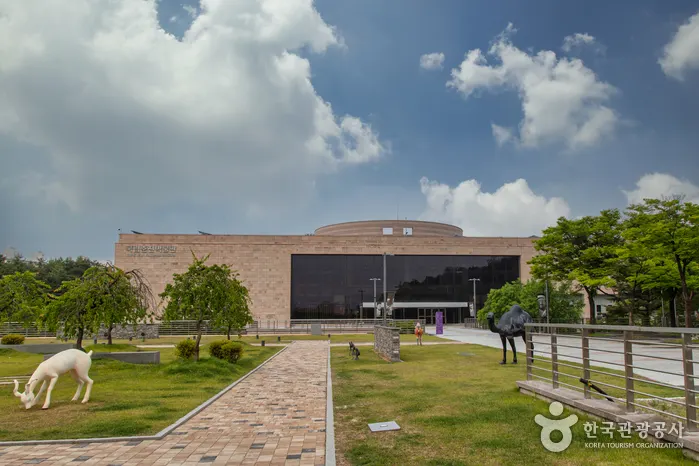
    Chuncheon National Museum (국립춘천박물관)

    Chuncheon National Museum showcases Gangwon's rich history and art, from ancient artifacts to modern pieces.

    • Extensive collection of regional artifacts
    • Exhibits on prehistoric to modern eras
    • Special exhibitions and educational programs

    Chuncheon National Museum is Gangwon Province's foremost cultural institution, housing a vast collection of archaeological finds, historical documents, and contemporary art. Its permanent exhibitions chronicle the region's development from antiquity to the modern era, with a strong focus on archaeological discoveries from local excavations. Regularly held special exhibitions highlight traditional Korean crafts and works by contemporary regional artists, offering visitors a nuanced understanding of Gangwon's artistic heritage.

    Address: 70 Useok-ro, Chuncheon-si, Gangwon-do

    More info
  2. 2.Forest Museum (숲박물관)

    Forest Museum (숲박물관)

    The Forest Museum educates visitors about Korea's diverse forest ecosystems and traditional woodland practices.

    • Interactive displays on forest biodiversity
    • Information on traditional forestry
    • Seasonal forest changes and wildlife habitats

    Located in Gangwon, the Forest Museum provides an engaging exploration of Korea's forest ecosystems and cultural heritage related to woodlands. Through interactive exhibits, visitors learn about the rich biodiversity of forests, historical forestry methods, and the vital ecological roles of woodlands. The museum uses specimen collections, dioramas, and multimedia installations to illustrate seasonal forest transformations and wildlife habitats, making it an ideal educational stop for families and students interested in nature.

    Address: 3054 Misiryeong-ro, Sokcho-si, Gangwon-do

    More info
  3. 3.Gangwon Comprehensive Museum (강원종합박물관)

    Gangwon Comprehensive Museum (강원종합박물관)

    Gangwon Comprehensive Museum offers a broad overview of the province's natural environment, culture, and history.

    • Covers geology, ecology, and folklore
    • Exhibits on diverse regional geography
    • Accessible displays for all ages

    The Gangwon Comprehensive Museum presents a wide-ranging perspective on the province's natural characteristics, cultural heritage, and historical timeline. Its exhibits are informed by Gangwon's distinctive geography, from its coastal areas to its mountainous interiors, featuring artifacts and educational materials that reflect this diversity. The permanent exhibition halls explore folk traditions, ecological features, and geological aspects, designed to be easily understood by visitors of all ages and interests.

    Address: 3016 Gangwonnambu-ro, Singi-myeon, Samcheok-si, Gangwon-do

    More info
  4. 4.Pungsuwon Museum (풍수원유물전시관)

    Pungsuwon Museum (풍수원유물전시관)

    Pungsuwon Museum showcases Korean traditional culture and regional heritage through various artifacts.

    • Displays of traditional crafts
    • Reflects local history and customs
    • Tranquil viewing experience

    Pungsuwon Museum is dedicated to preserving and displaying artifacts related to Korean traditional culture and the specific heritage of the Gangwon region. Situated within the scenic, mountainous province, it serves as a repository for historical objects and exhibits that illuminate local history and customs. Visitors can explore traditional crafts and everyday items, gaining insight into the cultural life of the region. Its intimate scale offers a more peaceful and focused experience compared to larger institutions.

    Address: 50 , Gyeonggang-ro yuhyeon 1-gil, Hoengseong-gun, Gangwon-do

    More info
  5. 5.Ojukheon House & Municipal Museum (강릉시 오죽헌/시립박물관)

    Ojukheon House & Municipal Museum (강릉시 오죽헌/시립박물관)

    Ojukheon House is a historic 15th-century dwelling, complemented by a museum detailing local history and art.

    • Exemplary Joseon Dynasty architecture
    • Home of artist Shin Saimdang
    • Adjacent municipal museum exhibits

    Ojukheon House in Gangneung is a beautifully preserved 15th-century wooden structure that stands as a prime example of traditional Korean residential architecture. This historic site was the birthplace and home of Shin Saimdang, a celebrated Joseon Dynasty scholar and artist, whose legacy is deeply intertwined with Korean cultural history. The adjacent Gangneung Municipal Museum further enriches the visitor experience with displays on the region's history, art, and cultural artifacts, offering a comprehensive look at the area's past.

    Address: 24, Yulgok-ro 3139beon-gil, Gangneung-si, Gangwon-do

    More info
  6. 6.Park Soo Keun Museum (박수근미술관)

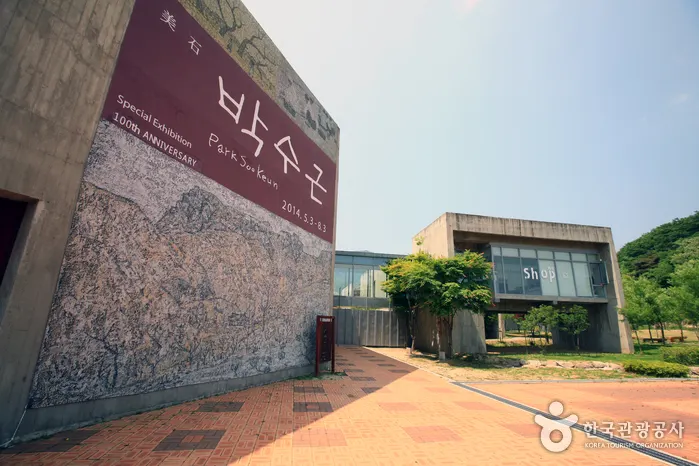
    Park Soo Keun Museum (박수근미술관)

    The Park Soo Keun Museum celebrates the life and work of a prominent Korean modern painter.

    • Collection of paintings and sketches
    • Focus on distinctive artistic style
    • Located in artist's hometown

    This museum in Yanggu is dedicated to Park Soo Keun, one of Korea's most significant modern artists, celebrated for his unique style that merged traditional ink techniques with Western modernist influences. The collection features a comprehensive array of his paintings, sketches, and personal belongings, allowing visitors to trace his artistic evolution throughout his career. The museum provides valuable insight into mid-20th century Korean art and Park Soo Keun's enduring contribution to the national art scene.

    Address: 265-15, Parksookeun-ro, Yanggu-gun, Gangwon-do

    More info
  7. 7.Gangwon-do Forestry Museum (강원도 산림박물관)

    Gangwon-do Forestry Museum (강원도 산림박물관)

    Gangwon-do Forestry Museum details the region's forest heritage and sustainable woodland management.

    • Exhibits on forest ecology
    • Information on timber production
    • Displays of traditional woodworking

    The Gangwon-do Forestry Museum in Chuncheon highlights the province's extensive forest resources and its history of sustainable woodland practices. Its exhibitions cover forest ecology, the timber industry, and traditional methods that have shaped the region's natural environment. Interactive displays and historical artifacts offer insights into the evolution of Gangwon's forests and the cultural significance of woodworking traditions, including furniture making.

    Address: 24, Hwamogwon-gil, Chuncheon-si, Gangwon-do

    More info
  8. 8.Museum of Oriental Embroidery (동양자수박물관)

    Museum of Oriental Embroidery (동양자수박물관)

    The Museum of Oriental Embroidery showcases intricate traditional and contemporary embroidery from East Asia.

    • Collection of historical and modern works
    • Explores embroidery techniques
    • Details cultural significance of stitches

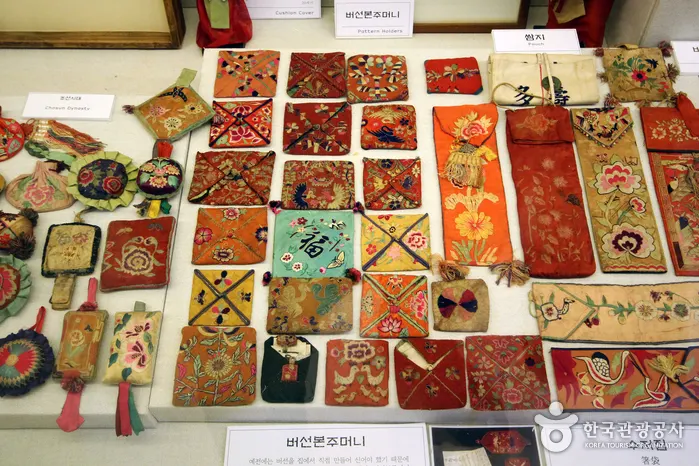
    Located in Gangneung, the Museum of Oriental Embroidery presents a specialized collection dedicated to the art of embroidery across East Asia, featuring both traditional and contemporary pieces. The museum traces the evolution of embroidery as a functional craft and artistic medium through historical artifacts, modern creations, and scholarly resources. Visitors can appreciate the intricate stitching techniques, the cultural meanings embedded in different threads and patterns, and the diverse regional embroidery traditions.

    Address: 140-12, Jukheon-gil, Gangneung-si, Gangwon-do

    More info
  9. 9.Yanggu Prehistory Museum (양구선사박물관)

    Yanggu Prehistory Museum (양구선사박물관)

    Yanggu Prehistory Museum focuses on the Paleolithic and Neolithic archaeological sites of the Yanggu region.

    • Houses prehistoric artifacts
    • Features dioramas of ancient life
    • Provides regional context for findings

    The Yanggu Prehistory Museum is a public institution dedicated to the significant Paleolithic and Neolithic archaeological findings in the Yanggu area. Its location in an inland mountain and river valley setting historically attracted prehistoric peoples, leaving behind substantial remains. The museum's collection includes thousands of stone and pottery fragments, complemented by restored dioramas depicting ancient life and explanatory texts that situate Yanggu's prehistory within the broader Korean context. Admission is typically free.

    Address: 439-52, Geumgangsan-ro, Yanggu-gun, Gangwon-do

    More info
  10. 10.Yanggu Porcelain Museum (양구백자박물관)

    Yanggu Porcelain Museum (양구백자박물관)

    Yanggu Porcelain Museum highlights Joseon-era white porcelain produced in Yanggu for the royal court.

    • Features Joseon-era white porcelain
    • Displays kiln site excavation materials
    • Offers porcelain making workshops

    Yanggu Porcelain Museum is a public museum dedicated to the tradition of Joseon Dynasty white porcelain (baekja) crafted in Yanggu. The kilns in this region were vital, supplying white porcelain for the royal court for over 500 years, making Yanggu the longest-operating site for royal-quality ceramics. The museum exhibits original Yanggu porcelain, materials from kiln excavations, a reconstructed kiln showing the firing process, and interpretive texts placing Yanggu's ceramics within Korea's broader pottery heritage. Admission is typically free.

    Address: 5182, Pyeonghwa-ro, Yanggu-gun, Gangwon-do

    More info

FAQ

What is the best time to visit the museums in Gangwon?

Museums are generally open year-round, but spring (April-May) and autumn (September-October) offer pleasant weather for travel between sites. Check individual museum hours as they may vary seasonally.

How can I get around to visit these museums?

Public transportation like buses and trains connect major cities, but reaching more remote museums might require a rental car or taxi. Grouping nearby attractions, such as those in Chuncheon or Yanggu, can optimize travel.

Are there any budget-friendly tips for museum visits?

Some smaller or local museums, like the Yanggu Prehistory Museum and Yanggu Porcelain Museum, offer free admission. Look for combination tickets or discounts if available, and verify admission fees in advance.

What can I pair with a museum visit?

Many museums are located near natural attractions or historical sites. For example, Ojukheon House can be combined with a visit to nearby Gangneung attractions, and the Park Soo Keun Museum is near natural landscapes.

Are there any specific etiquette tips for visiting Korean museums?

Visitors are expected to be respectful of exhibits and other patrons. Photography policies vary, so always check for signs or ask staff before taking pictures. Avoid loud conversations and touching displays.