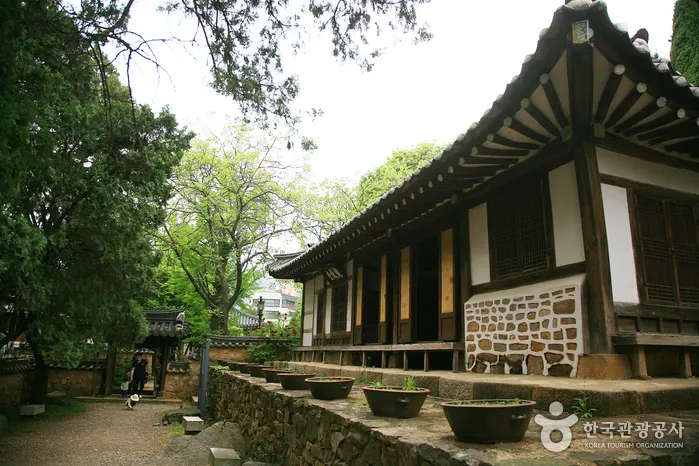
Gyeonggi Museums & Galleries BEST 9

Explore Gyeonggi Province's rich cultural tapestry through its diverse museums and galleries, showcasing history, art, and innovation.

By Chansoo Yang5/27/20265 min read
Gyeonggi Museums & Galleries BEST 9

Gyeonggi Province, encircling Seoul, is a vital region in South Korea, rich in history and cultural heritage. Beyond its bustling urban centers, it offers a surprising array of museums and galleries that delve into everything from traditional Korean life and agricultural practices to cutting-edge technology and contemporary art. These institutions serve as invaluable windows into the province's past, present, and future.

This guide highlights nine exceptional museums and galleries across Gyeonggi-do, selected for their unique collections, engaging exhibits, and contribution to understanding Korean culture and innovation. Whether you're interested in historical artifacts, artistic expressions, or technological advancements, there's something here to captivate every visitor. We've aimed for a diverse selection that spans different themes and geographical areas within the province.

When visiting, remember to check the operating hours and admission fees for each venue, as these can vary. Many museums offer multilingual information, but it's always helpful to verify. Consider combining visits to nearby attractions to maximize your exploration. Public transportation is generally reliable, but some locations might be more accessible by car or taxi. Enjoy your cultural journey through Gyeonggi!

Gyeonggi Museums & Galleries BEST 9

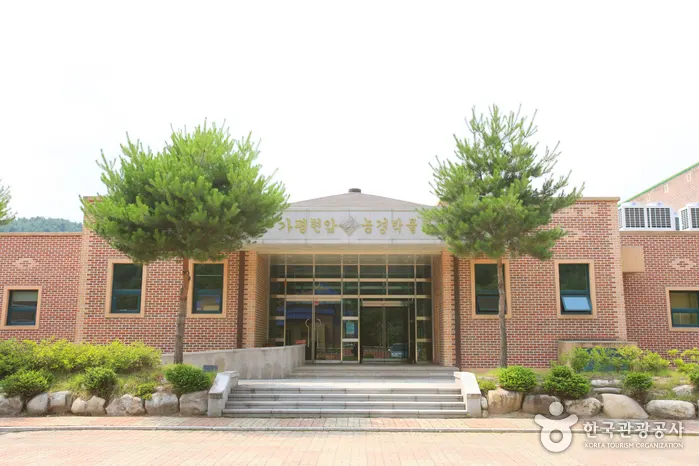
  1. 1.Gapyeong Hyeonam Agricultural Heritage Museum (가평현암농경유물박물관)

    Gapyeong Hyeonam Agricultural Heritage Museum (가평현암농경유물박물관)

    Gapyeong Hyeonam Agricultural Heritage Museum showcases traditional farming tools and rural life, focusing on Gapyeong's mountain agriculture.

    • Traditional Korean farming tools
    • Restored rural houses
    • Focus on mountain agriculture

    This museum preserves the agricultural heritage of the Gapyeong region, emphasizing the unique combination of valley rice cultivation and slope terracing. Its collection of around 4,000 items includes farming implements and household goods, offering insight into pre-modern Korean rural life. The outdoor area features restored traditional houses and a herb garden, providing a picturesque glimpse into the past. Admission is free, making it an accessible cultural stop.

    Address: 13, Seokjangmoru-gil, Gapyeong-gun, Gyeonggi-do

    More info
  2. 2.수원 월드컵경기장 축구박물관

    수원 월드컵경기장 축구박물관

    Suwon World Cup Stadium Football Museum explores the history of Korean football and the legacy of the 2002 FIFA World Cup.

    • History of Korean football
    • 2002 World Cup memorabilia
    • Suwon Bluewings FC history

    Located within the Suwon World Cup Stadium, this museum chronicles the evolution of Korean football. It highlights the nation's journey in the 2002 FIFA World Cup, where South Korea achieved its best-ever result by reaching the semi-finals. The exhibits also cover the history of the local K-League team, Suwon Samsung Bluewings, and broader trends in Korean football culture. Visitors can see historical photos, trophies, and replica uniforms.

    Address: 경기도 수원시 팔달구 월드컵로 310 (우만동)

    More info
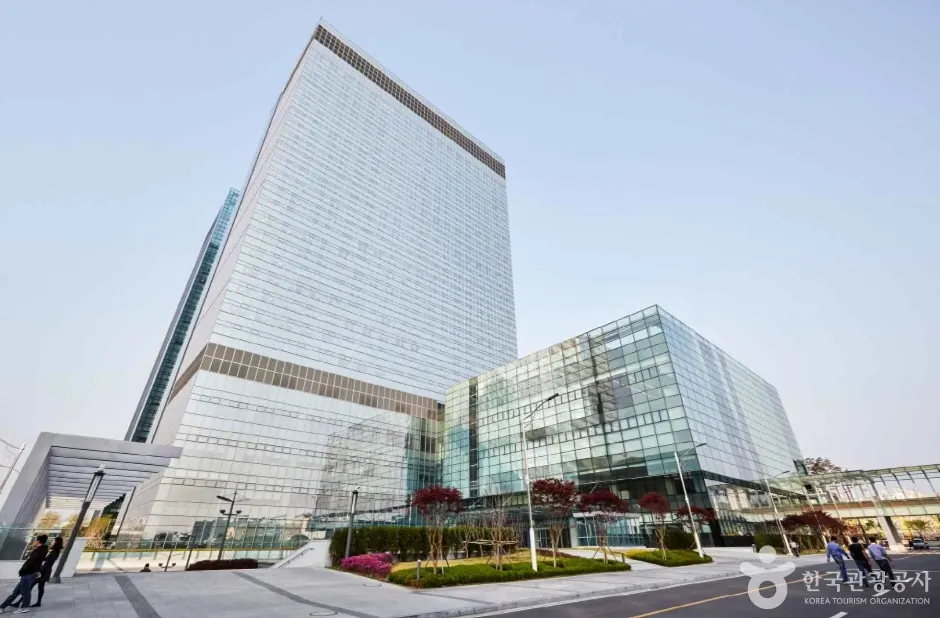
  3. 3.Samsung Innovation Museum (삼성 이노베이션 뮤지엄)

    Samsung Innovation Museum (삼성 이노베이션 뮤지엄)

    Samsung Innovation Museum traces the history of electronics, Samsung's innovation journey, and its role in Korea's economic development.

    • History of electronics
    • Samsung's technological milestones
    • Impact on Korean economy

    This corporate museum in Suwon delves into the history of Samsung Electronics, a global technology leader, and the broader narrative of technological innovation. It covers Samsung's founding, key technological advancements, and product launches throughout its history. The museum also contextualizes these developments within global trends and highlights Samsung's significant contribution to South Korea's modernization and economic growth. Interactive displays and archival materials enhance the visitor experience.

    Address: 129 Samsung-ro, Yeongtong-gu, Suwon-si, Gyeonggi-do

    More info
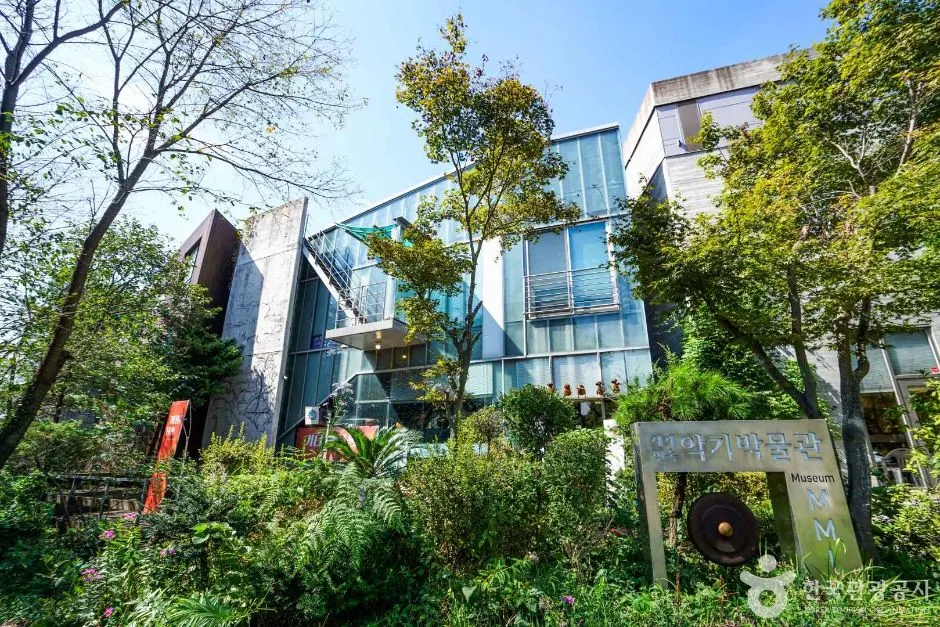
  4. 4.Museum of Musical Instruments of the World (세계민속악기박물관)

    Museum of Musical Instruments of the World (세계민속악기박물관)

    Museum of Musical Instruments of the World displays traditional instruments from Korea and across the globe.

    • Global musical instruments
    • Korean traditional instruments
    • Interactive listening stations

    This museum in Gyeonggi-do is dedicated to the diverse world of musical instruments. Its collection spans hundreds of items, categorized by region and tradition, including Korean traditional instruments (Gukak), East Asian instruments, and various global folk traditions from Africa and Europe. Interactive stations allow visitors to listen to the unique sounds of different instruments, offering an auditory journey through world music. Seasonal events and educational programs are also offered.

    Address: 63-26, Heyrimaeul-gil, Paju-si, Gyeonggi-do

    More info
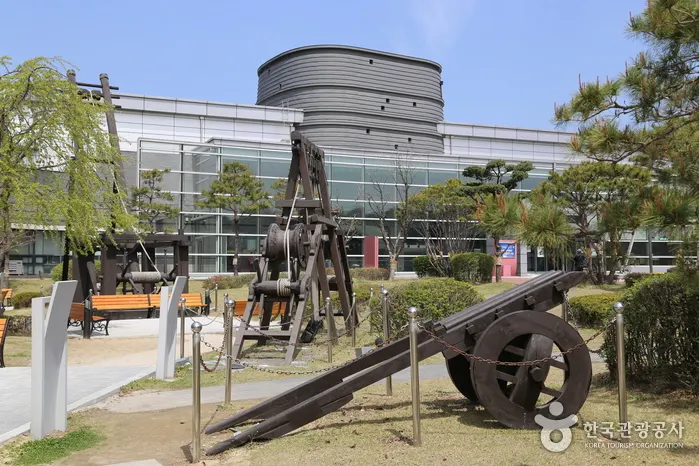
  5. 5.Suwon Hwaseong Museum (수원화성박물관)

    Suwon Hwaseong Museum (수원화성박물관)

    Suwon Hwaseong Museum focuses on the historic Hwaseong Fortress and King Jeongjo's vision for a planned royal capital.

    • History of Hwaseong Fortress
    • King Jeongjo's era
    • Korean military architecture

    Dedicated to the UNESCO World Heritage site of Suwon Hwaseong Fortress, this museum explores its historical context and the ambitious plans of King Jeongjo. It details the fortress's construction, blending Korean architectural traditions with 18th-century European military engineering. The exhibits cover the political and social landscape of the late Joseon Dynasty and the fortress's significance in Korean architectural history. Historical documents, scale models, and interactive displays provide a comprehensive understanding.

    Address: 21, Changnyong-daero, Paldal-gu, Suwon-si, Gyeonggi-do

    More info
  6. 6.Chunghyeon Museum (충현박물관)

    Chunghyeon Museum (충현박물관)

    Chunghyeon Museum preserves the cultural and historical legacy of the Chunghyeon Yi clan, a prominent Joseon-era family.

    • Joseon-era clan history
    • Family genealogy records
    • Traditional yangban culture

    This museum honors the cultural heritage of the Chunghyeon Yi clan, an influential yangban (aristocratic) family from the Joseon Dynasty. It traces the family's long history, highlights key members and their contributions, and explores the broader traditions of yangban and Jongga (head family) culture. The collection includes family genealogies, historical documents, and artifacts related to traditional rural life. It offers a deep dive into the lineage and legacy of Korean aristocracy.

    Address: 5-6, Ori-ro 347beon-gil, Gwangmyeong-si, Gyeonggi-do

    More info
  7. 7.HanGwa Culture Museum Hangaone (한과문화박물관 한가원)

    HanGwa Culture Museum Hangaone (한과문화박물관 한가원)

    HanGwa Culture Museum Hangaone celebrates Korean traditional confectionery, hangwa, and its cultural significance.

    • Korean traditional sweets (Hangwa)
    • History and production techniques
    • Cultural role in traditions

    Hangaone is dedicated to hangwa, the art of Korean traditional confectionery. It explores the long history of these treats, dating back to the Goryeo Dynasty, and details the intricate production techniques. The museum showcases the cultural and ceremonial role of hangwa, particularly in royal court traditions and rituals. Visitors can learn about various types of hangwa, such as yumilgwa and dasik, and appreciate contemporary craftsmanship. Hands-on experiences may be available.

    Address: 26-9, Sanjeonghosu-ro 322beon-gil, Pocheon-si, Gyeonggi-do

    More info
  8. 8.Gyeonggi Museum of Modern Art (경기도미술관)

    Gyeonggi Museum of Modern Art (경기도미술관)

    Gyeonggi Museum of Modern Art is the province's premier institution for contemporary art, showcasing Korean and international artists.

    • Contemporary Korean art
    • Rotating exhibitions
    • Focus on Gyeonggi artists

    As Gyeonggi-do's leading contemporary art museum, located in Ansan, this institution plays a crucial role in showcasing modern and contemporary art. It features a dynamic schedule of approximately 4-6 curated exhibitions annually, alongside a rotating display of its permanent collection. The museum places a particular emphasis on promoting artists from the Gyeonggi region, supporting both established and emerging talents within the Korean contemporary art scene. It's a key part of the region's cultural ecosystem.

    Address: 268, Dongsan-ro, Danwon-gu, Ansan-si, Gyeonggi-do

    More info
  9. 9.Ieyoung Contemporary Art Museum (이영미술관)

    Ieyoung Contemporary Art Museum (이영미술관)

    Ieyoung Contemporary Art Museum focuses on 20th-century Korean modernist art, notably the works of Lee Jung-Seob.

    • 20th-century Korean art
    • Works by Lee Jung-Seob
    • Modernist traditions

    This private museum in Yongin is dedicated to the legacy of Lee Jung-Seob and the broader landscape of 20th-century Korean modern art. It houses a curated collection of Korean modernist works, complemented by a rotating program of temporary exhibitions. The museum frequently hosts solo exhibitions of prominent Korean artists and curated group shows, alongside educational activities. It serves as a significant cultural venue for those interested in exploring the foundations of modern Korean artistic expression.

    Address: 63, Heungdeok 4-ro, Giheung-gu, Yongin-si, Gyeonggi-do

    More info

FAQ

What is the best time to visit Gyeonggi's museums and galleries?

Museums and galleries are generally open year-round. Spring (April-May) and Autumn (September-October) offer pleasant weather for travel between locations. Weekdays are typically less crowded than weekends, providing a more relaxed viewing experience.

How can I get around Gyeonggi Province to visit these places?

Gyeonggi-do is well-connected by public transport, including subways and buses, especially around major cities like Suwon and Ansan. For more remote locations, renting a car or using taxis might be more convenient. Check local transit maps and apps for specific routes.

Are there any budget-friendly tips for visiting?

Some museums, like the Gapyeong Hyeonam Agricultural Heritage Museum, offer free admission. Look for combined tickets or special discount days if available. Packing your own snacks and water can also help save money on on-site purchases.

What are good pairings for museum visits?

Many museums are located near other significant attractions. For example, Suwon Hwaseong Museum pairs well with a visit to the Hwaseong Fortress itself. Consider combining museum visits with local markets, natural parks, or historical sites in the same area.

Are there any special etiquette or safety considerations?

Standard museum etiquette applies: refrain from touching exhibits unless permitted, maintain a quiet demeanor, and do not use flash photography. Always verify current safety guidelines and health protocols, especially regarding group visits or specific exhibitions.