Seoul Museums & Galleries BEST 10

Explore Seoul's rich cultural tapestry through its diverse museums and art galleries, showcasing history, art, and tradition.

By Chansoo Yang5/28/20265 min read
Seoul Museums & Galleries BEST 10

Seoul, a city where ancient palaces stand alongside futuristic skyscrapers, offers a vibrant cultural landscape. Its numerous museums and galleries provide deep dives into Korean history, art, and contemporary creativity. From national treasures to avant-garde expressions, the city's cultural institutions cater to every interest.

This selection highlights a range of institutions, from those preserving national heritage and traditional arts to spaces celebrating modern and contemporary artistic endeavors, including unique niche collections. We've focused on places offering significant insights into Korean culture, art history, and societal evolution.

When visiting, it's advisable to check operating hours and admission fees beforehand, as these can vary. Many museums offer multi-language support, but some smaller galleries may have limited English information. Consider purchasing a T-Money card for easy public transport access to these cultural hubs.

Seoul Museums & Galleries BEST 10

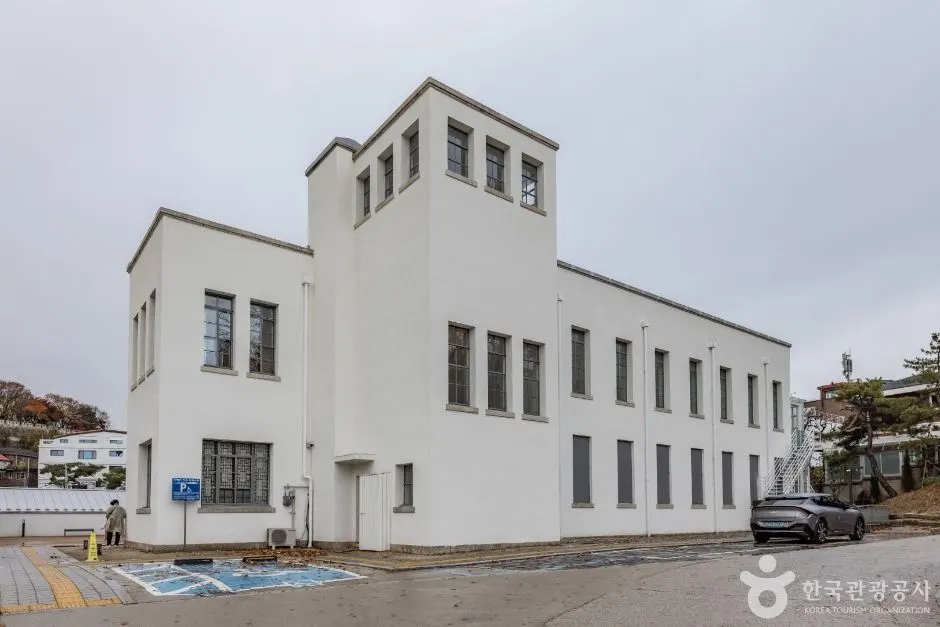
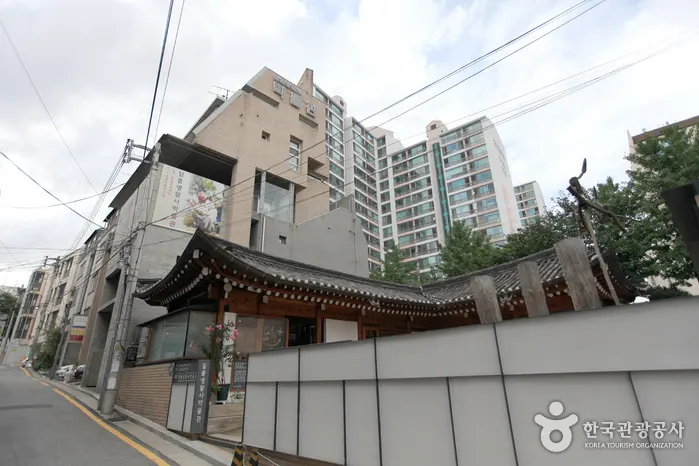
  1. 1.Kansong Art Museum (간송미술관(서울 보화각))

    Kansong Art Museum (간송미술관(서울 보화각))

    Kansong Art Museum preserves and displays a significant collection of Korean traditional art and cultural heritage.

    • Private collection of Korean art
    • Features paintings, calligraphy, ceramics
    • Requires advance reservation

    Kansong Art Museum is a private institution dedicated to preserving and showcasing Korea's rich cultural heritage. Its collection spans centuries, featuring exquisite examples of traditional Korean paintings, calligraphy, ceramics, and sculptures. Due to its limited operating hours and special nature, advance reservation is typically required to visit.

    Address: 102-11 Seongbuk-ro, Seongbuk-gu, Seoul

    More info
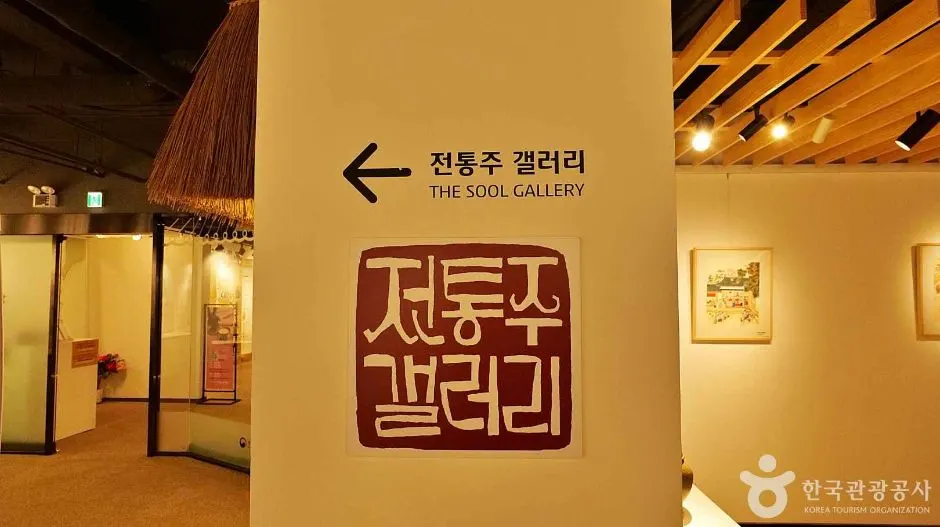
  2. 2.The Sool Gallery (전통주갤러리)

    The Sool Gallery (전통주갤러리)

    The Sool Gallery explores Korea's traditional alcohol heritage through exhibits, tastings, and cultural displays.

    • Showcases traditional Korean liquors
    • Offers tastings and educational programs
    • Located in Bukchon

    This unique gallery celebrates Korea's diverse traditional alcoholic beverages, known as 'sool'. Visitors can learn about the history, production methods, and regional variations of drinks like makgeolli and yakju. The Sool Gallery provides an opportunity to sample various sool and gain a deeper appreciation for this integral part of Korean culinary culture.

    Address: 18 Bukchon-ro, Jongno-gu, Seoul

    More info
  3. 3.리홀뮤직갤러리

    리홀뮤직갤러리

    Rhee Hall Music Gallery is an art space focused on contemporary music and sound art, featuring experimental works.

    • Focuses on music and sound art
    • Exhibitions and performances
    • Experimental and avant-garde focus

    Rhee Hall Music Gallery serves as a platform for contemporary music and sound art, exploring the intersection of auditory and visual experiences. The space hosts rotating exhibitions, installations, and performances by experimental artists. It encourages visitors to engage with music as both an acoustic and conceptual medium.

    Address: 서울특별시 성북구 성북로31길 9 (성북동)

    More info
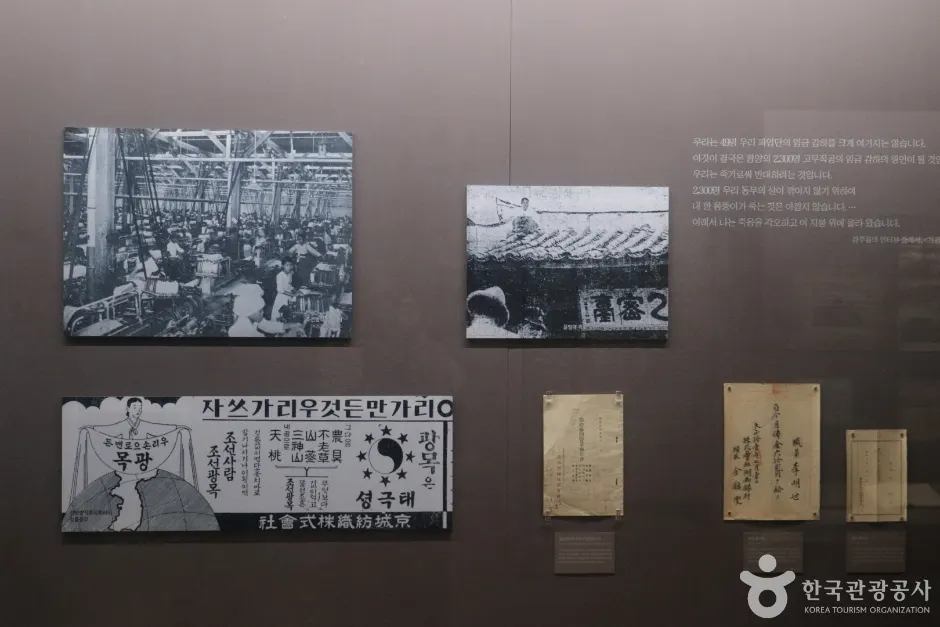
  4. 4.National Museum of Korean Contemporary History (대한민국역사박물관)

    National Museum of Korean Contemporary History (대한민국역사박물관)

    The National Museum of Korean Contemporary History documents Korea's modern transformation since 1945.

    • Covers Korean history post-1945
    • Features photos, documents, and artifacts
    • Multilingual exhibition information

    This museum meticulously chronicles South Korea's journey from liberation in 1945 to the present day. Through a comprehensive collection of photographs, documents, artifacts, and multimedia displays, it illustrates the nation's political, economic, social, and cultural developments. It's an essential visit for understanding contemporary Korea.

    Address: 198 Sejong-daero, Jongno-gu, Seoul

    More info
  5. 5.Korean Museum of Straw and Life (짚풀생활사박물관)

    Korean Museum of Straw and Life (짚풀생활사박물관)

    The Korean Museum of Straw and Life highlights the historical use and cultural significance of straw in Korean daily life.

    • Exhibits traditional straw crafts
    • Focuses on rural life and tools
    • Preserves cultural heritage

    Discover the integral role of straw and natural fibers in traditional Korean life at this unique museum. It showcases a variety of tools, household items, and crafts that were essential in pre-modern Korea, particularly in rural communities. The collection offers insights into resourcefulness and the cultural practices associated with these materials.

    Address: 45, Sungkyunkwan-ro 4-gil, Jongno-gu, Seoul

    More info
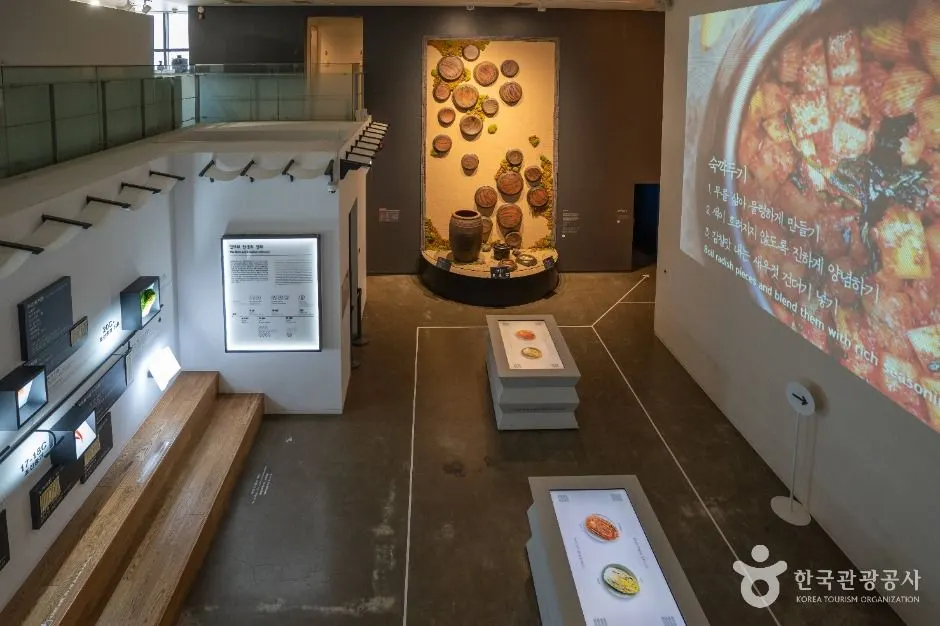
  6. 6.Museum Kimchikan (뮤지엄 김치간)

    Museum Kimchikan (뮤지엄 김치간)

    Museum Kimchikan is dedicated to kimchi, Korea's iconic fermented dish, and the associated cultural heritage.

    • Focuses exclusively on kimchi
    • UNESCO intangible cultural heritage
    • Offers hands-on experiences

    This museum is a celebration of kimchi, a cornerstone of Korean cuisine and a UNESCO Intangible Cultural Heritage. Museum Kimchikan explores the history, diverse regional varieties, and scientific aspects of kimchi making. Visitors can engage in hands-on 'kimjang' (kimchi-making) programs and learn about its significance in Korean culture.

    Address: (4-6th floor, Maru Art Center), 35-4 Insadong-gil, Jongno-gu, Seoul

    More info
  7. 7.Waterworks Museum (수도박물관)

    Waterworks Museum (수도박물관)

    The Waterworks Museum preserves the history of Seoul's modern water supply infrastructure, starting with the Ttukdo Water Treatment Plant.

    • History of Korean water supply
    • Preserves early treatment plant
    • Educational exhibits

    Dedicated to the evolution of water infrastructure in Korea, this museum is housed within the historic Ttukdo Water Treatment Plant, a site pivotal to Seoul's modern water supply system. Exhibits detail the development of waterworks technology and management, offering a unique perspective on urban development and public health in Korea.

    Address: 27, Wangsimni-ro, Seongdong-gu, Seoul

    More info
  8. 8.세종대왕박물관

    세종대왕박물관

    King Sejong Museum (세종대왕박물관) is dedicated to the life and achievements of Korea's revered monarch.

    • Honors King Sejong the Great
    • Exhibits related to his reign
    • Focus on Korean alphabet creation

    This museum is devoted to King Sejong the Great, one of Korea's most celebrated rulers, best known for the creation of the Korean alphabet, Hangeul. The exhibits explore his contributions to science, culture, and governance during the Joseon Dynasty, highlighting his lasting impact on Korean society and identity.

    Address: 서울특별시 동대문구 회기로 56

    More info
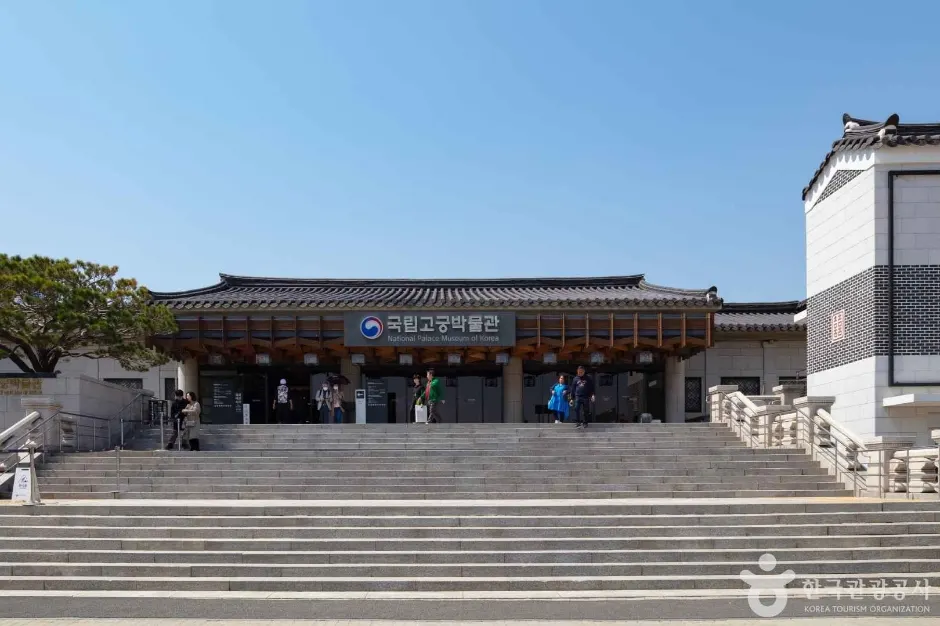
  9. 9.National Palace Museum of Korea (국립고궁박물관)

    National Palace Museum of Korea (국립고궁박물관)

    The National Palace Museum of Korea displays the royal collections and heritage of Korea's dynasties, especially Joseon.

    • Royal artifacts and treasures
    • Located within Gyeongbok Palace
    • Showcases Joseon Dynasty life

    Situated within the historic Gyeongbok Palace complex, this museum houses an extensive collection of artifacts from Korea's royal past. It offers a glimpse into the lives of Korean monarchs and the grandeur of royal courts, particularly from the Joseon Dynasty, with displays of regalia, ceremonial items, and exquisite artworks.

    Address: 12 Hyoja-ro, Jongno-gu, Seoul

    More info
  10. 10.Museum of Art, Seoul National University (서울대학교미술관)

    Museum of Art, Seoul National University (서울대학교미술관)

    Seoul National University Museum of Art showcases contemporary Korean and international art in a modernist architectural setting.

    • Features contemporary art
    • Modernist architectural design
    • Located on university campus

    The Museum of Art at Seoul National University presents a dynamic range of contemporary art through its regular exhibitions. Its striking modernist building is designed to complement the surrounding natural landscape on campus. The museum serves as a vital cultural hub for students and the public, fostering engagement with modern artistic practices.

    Address: 1 Gwanak-ro, Gwanak-gu, Seoul

    More info

FAQ

What is the best time to visit Seoul's museums and galleries?

Weekdays, especially mornings, are generally less crowded. Consider visiting during spring (April-May) or autumn (September-October) for pleasant weather that complements your cultural explorations.

How can I get around to these places?

Seoul's public transportation system is excellent. The subway is the most efficient way to reach most museums and galleries. Using a T-Money card will streamline your travel.

Are there budget-friendly options?

Many national museums offer free admission or low entrance fees. Look for free admission days or special promotions. Some university museums, like Seoul National University Museum of Art, also have free permanent exhibitions.

What is a good pairing with a museum visit?

Many museums are located near traditional markets or historic neighborhoods. Pairing a museum visit with a stroll through nearby areas like Insadong or Bukchon Hanok Village can offer a comprehensive cultural experience.

Are there any etiquette tips for visiting?

Always be mindful of your surroundings and other visitors. Avoid touching exhibits unless permitted, maintain a quiet demeanor, and refrain from flash photography unless explicitly allowed. Some smaller galleries may have specific rules, so observe posted guidelines.