Seoul Palaces & Hanok BEST 10

Explore Seoul's royal past and traditional charm at these iconic palaces and hanok villages.

By Chansoo Yang5/29/20265 min read
Seoul Palaces & Hanok BEST 10

Seoul, the vibrant capital of South Korea, is a city where ancient history and modern life seamlessly intertwine. Within its bustling metropolis lie magnificent royal palaces that whisper tales of the Joseon Dynasty and charming hanok villages that offer a glimpse into traditional Korean life. These sites are not just historical landmarks but living testaments to Korea's rich cultural heritage, providing a unique window into the nation's past.

This guide curates ten essential destinations for those seeking to immerse themselves in Seoul's royal grandeur and traditional architectural beauty. We've selected a mix of grand palaces, significant gates, historic residential areas, and unique cultural spaces. Each location offers a distinct perspective, from the imperial splendor of the Korean Empire to the enduring elegance of traditional hanok homes.

To make the most of your visit, consider purchasing a combination ticket for the five grand palaces (Gyeongbokgung, Changdeokgung, Changgyeonggung, Deoksugung, Gyeonghuigung) for a more economical exploration. Wear comfortable shoes as you'll be doing a lot of walking, and always check the official websites for the most up-to-date information on opening hours and any special events. Embrace the serene atmosphere and let Seoul's historical heart captivate you.

Seoul Palaces & Hanok BEST 10

  1. 1.Deoksugung Palace (덕수궁)

    Deoksugung Palace (덕수궁)

    Deoksugung Palace blends Joseon Dynasty architecture with Western styles, symbolizing Korea's modernization.

    • Unique architectural mix
    • Historical reception hall
    • Central Seoul location

    Deoksugung Palace is a significant royal residence from the late Joseon Dynasty, notable for its unique blend of traditional Korean and Western-style buildings. This architectural juxtaposition reflects Korea's transitional period during the early 20th century. Visitors can explore the palace grounds, including the Seokjojeon (Stone Hall) and Jungmyeongjeon (Imperial Russian Legation), offering insights into the imperial era. The palace is also known for its picturesque stone wall path and the daily changing of the guard ceremony.

    Address: 99 Sejong-daero, Jung-gu, Seoul

    More info
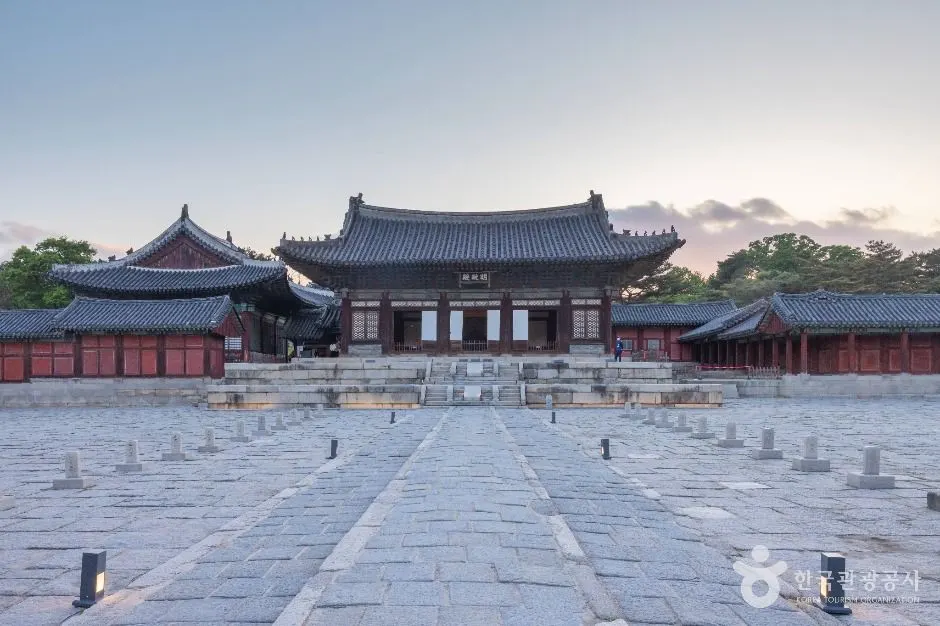
  2. 2.Changgyeonggung Palace (창경궁)

    Changgyeonggung Palace (창경궁)

    Changgyeonggung Palace offers a serene glimpse into Joseon Dynasty royal life with beautiful pavilions and gardens.

    • 15th-century royal residence
    • Traditional pavilions and gardens
    • Peaceful atmosphere

    Originally built in the 15th century, Changgyeonggung Palace served as a secondary royal residence during the Joseon Dynasty. Unlike some other palaces, it has a more subdued and serene atmosphere, reflecting its history as a place of residence for queens and concubines. The palace grounds feature elegant traditional Korean architecture, including various halls and pavilions, set within beautifully landscaped gardens. It offers a tranquil escape and a chance to appreciate the architectural nuances of Joseon-era palaces.

    Address: 185 Changgyeonggung-ro, Jongno-gu, Seoul

    More info
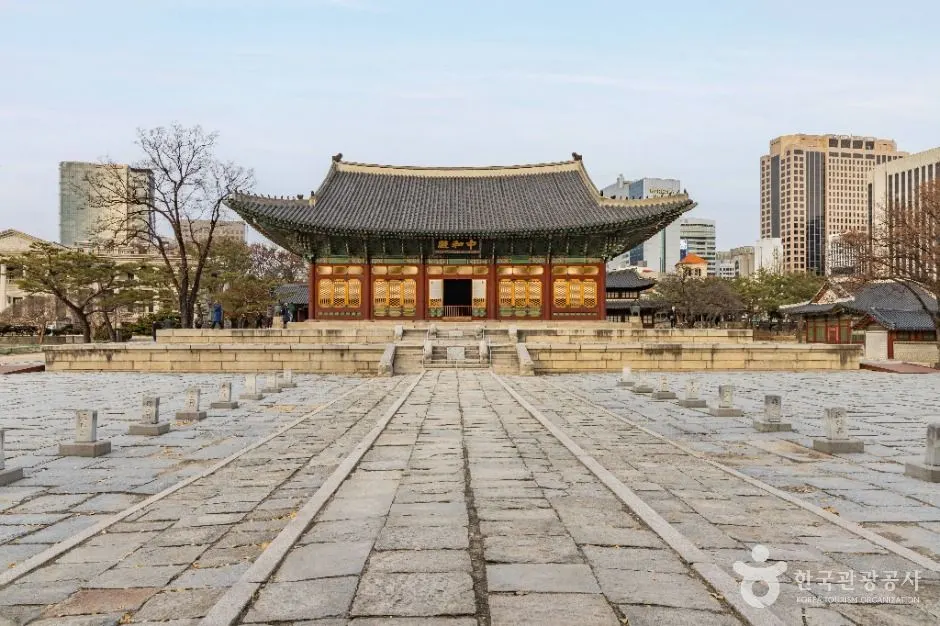
  3. 3.덕수궁돈덕전

    덕수궁돈덕전

    Deoksugung Dondeokjeon is a restored imperial reception hall from the Korean Empire era, reopened in 2023.

    • Korean Empire reception hall
    • Restored imperial architecture
    • Exhibit space

    Dondeokjeon, located within Deoksugung Palace, was originally built during the Korean Empire (1897-1910) to host foreign dignitaries and imperial ceremonies. After extensive restoration, it reopened to the public in 2023. The building now serves as an exhibition space, showcasing the history and diplomatic activities of the Korean Empire. Its presence highlights the grandeur and international engagement of Korea during that pivotal era, complementing other Western-style structures within Deoksugung.

    Address: 서울특별시 중구 세종대로 99 (정동)

    More info
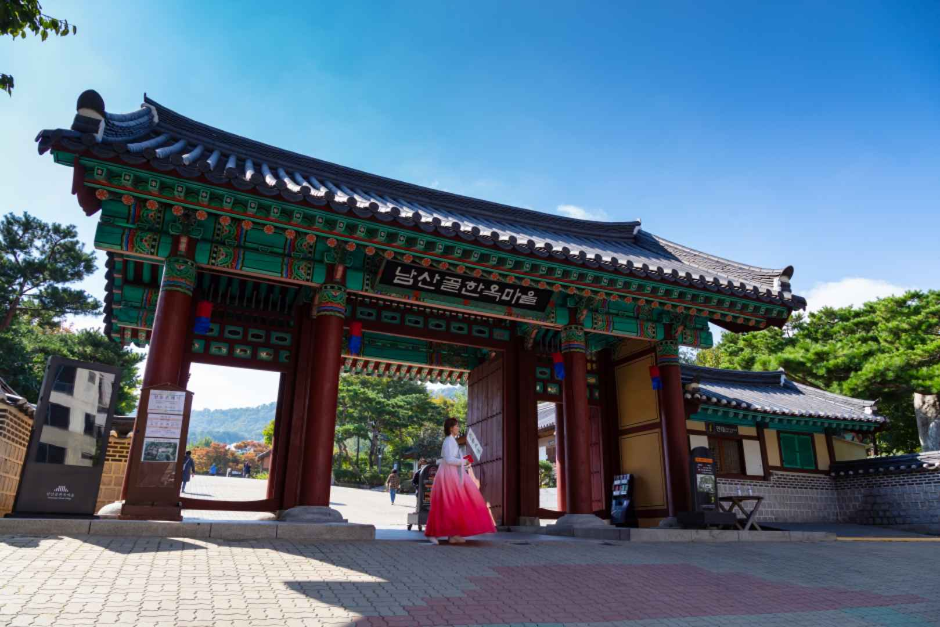
  4. 4.Namsangol Hanok Village (남산골한옥마을)

    Namsangol Hanok Village (남산골한옥마을)

    Namsangol Hanok Village features five reconstructed Joseon Dynasty houses with gardens and cultural experiences.

    • Reconstructed hanok homes
    • Traditional gardens
    • Hands-on cultural programs

    Namsangol Hanok Village offers a curated experience of traditional Korean houses. It comprises five reconstructed hanok from different social classes and periods of the Joseon Dynasty, set against the backdrop of Namsan Mountain. Visitors can stroll through the charming village, admire the architectural details of the hanok, and relax in the traditional gardens. The village also hosts various cultural activities, including traditional crafts, performances, and even opportunities for a hanok stay, making it an engaging cultural destination.

    Address: 28 Toegye-ro 34-gil, Jung-gu, Seoul

    More info
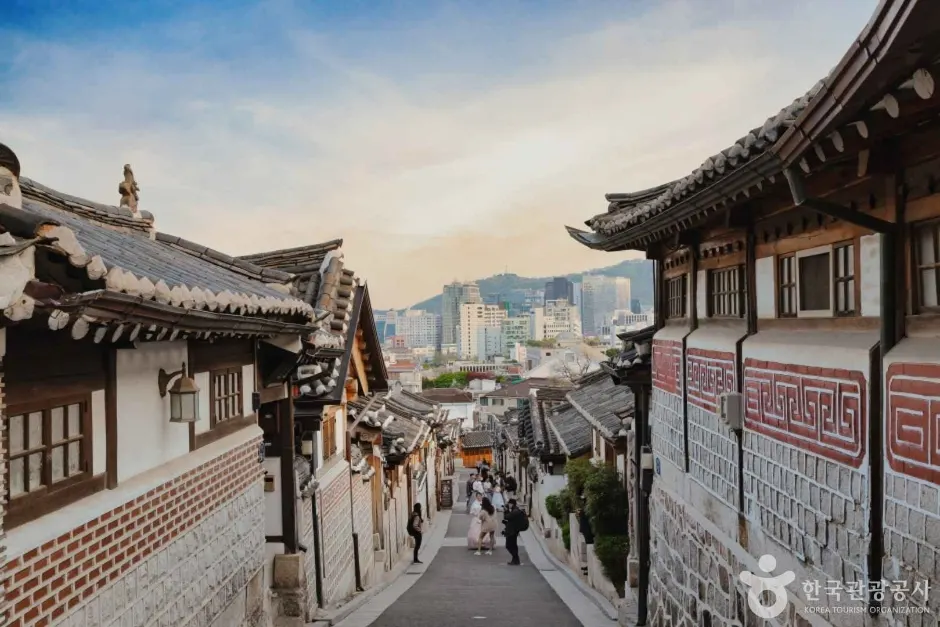
  5. 5.Bukchon Hanok Village (북촌한옥마을)

    Bukchon Hanok Village (북촌한옥마을)

    Bukchon Hanok Village is a historic residential area with hundreds of preserved traditional hanok homes.

    • Authentic residential district
    • Hundreds of traditional hanok
    • Scenic hillside neighborhood

    Bukchon Hanok Village is a unique living museum, preserving hundreds of traditional Korean hanok houses that are still inhabited today. Situated on a hillside between Gyeongbokgung and Changdeokgung Palaces, it offers a fascinating glimpse into Seoul's past. Wandering through its narrow alleys reveals charming traditional architecture, hidden courtyards, and picturesque views. The area also boasts numerous artisan shops, traditional tea houses, and small galleries, blending historical charm with contemporary culture.

    Address: 37 Gyedong-gil, Jongno-gu, Seoul

    More info
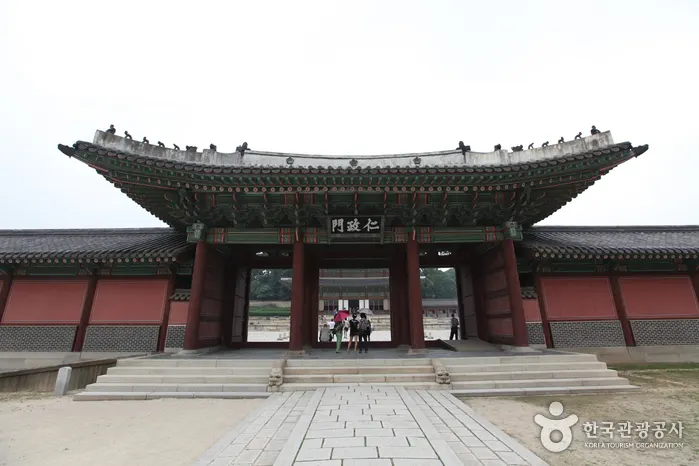
  6. 6.Changdeokgung Injeongmun Gate (창덕궁 인정문)

    Changdeokgung Injeongmun Gate (창덕궁 인정문)

    Changdeokgung Injeongmun Gate is the main gate to Injeongjeon, the throne hall of the UNESCO World Heritage palace.

    • Main gate to Injeongjeon
    • UNESCO World Heritage site
    • Elaborate architectural details

    Injeongmun Gate serves as the primary entrance to Injeongjeon, the throne hall of Changdeokgung Palace, a designated UNESCO World Heritage site. This imposing gate is a prime example of traditional Korean palace architecture, characterized by its robust structure and ornate decorative elements, particularly on the roof. Passing through Injeongmun marks the beginning of the ceremonial path to the throne hall, offering visitors a sense of the historical grandeur and protocols of royal audiences.

    Address: 99, Yulgok-ro, Jongno-gu, Seoul

    More info
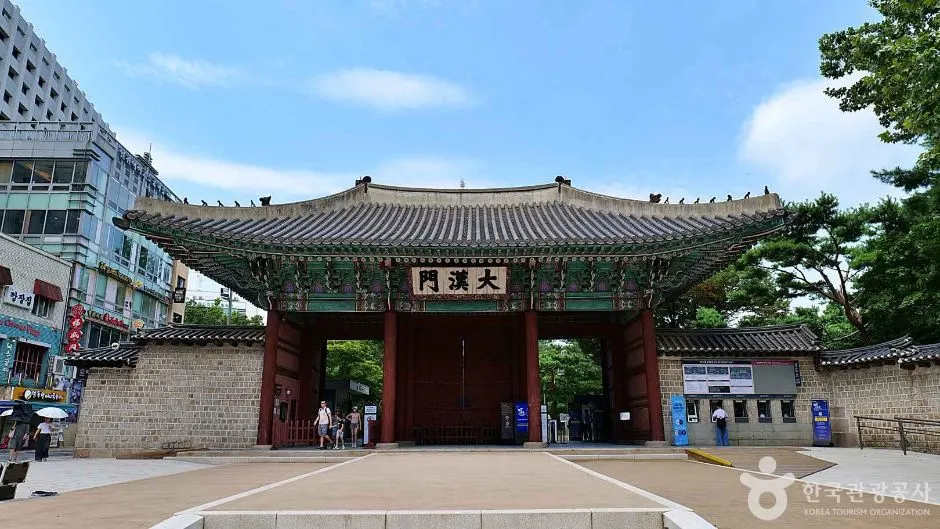
  7. 7.Deoksugung Palace's Daehanmun Gate (덕수궁 대한문)

    Deoksugung Palace's Daehanmun Gate (덕수궁 대한문)

    Deoksugung Daehanmun Gate is the main entrance to Deoksugung Palace, famous for its guard changing ceremony.

    • Main gate of Deoksugung
    • Site of guard changing ceremony
    • Symbol of Korean Empire

    Daehanmun Gate stands as the principal entrance to Deoksugung Palace, one of Seoul's five grand palaces. It is widely recognized as the location for the colorful and traditional changing-of-the-guard ceremony, which draws many visitors. As the former imperial gate during the Korean Empire (1897-1910), Daehanmun holds significant historical importance. Its imposing presence and the daily ceremony make it a compelling starting point for exploring the palace complex and its history.

    Address: 99 Sejong-daero, Jung-gu, Seoul

    More info
  8. 8.Hyangnamu Tree in Changdeokgung Palace (창덕궁 향나무)

    Hyangnamu Tree in Changdeokgung Palace (창덕궁 향나무)

    The ancient Hyangnamu (juniper) tree in Changdeokgung Palace is a registered Natural Monument.

    • Ancient juniper tree
    • Registered Natural Monument
    • Over 700 years old

    Located within the grounds of Changdeokgung Palace, the Hyangnamu is a venerable juniper tree estimated to be around 700 years old. Designated as a Natural Monument of Korea, it stands as one of the oldest trees found in Korean palaces. This ancient tree predates much of the palace's modern restoration, serving as a living link to its long history. Its presence adds a unique natural heritage element to the historical site, offering a moment of quiet contemplation.

    Address: 99, Yulgok-ro, Jongno-gu, Seoul

    More info
  9. 9.Daraenamu Tree in Changdeokgung Palace (창덕궁 다래나무)

    Daraenamu Tree in Changdeokgung Palace (창덕궁 다래나무)

    Changdeokgung Palace hosts the Daraenamu, an ancient hardy kiwi tree registered as a Natural Monument.

    • Ancient hardy kiwi tree
    • Designated Natural Monument
    • Approximately 600 years old

    The Daraenamu, a hardy kiwi tree within Changdeokgung Palace, is another significant natural heritage feature, estimated to be about 600 years old. It is also recognized as a Natural Monument of Korea. This ancient tree, alongside the Hyangnamu, contributes to the historical and ecological richness of the palace grounds. It represents the enduring natural landscape that has coexisted with the palace structures for centuries, adding a layer of botanical history to the visitor experience.

    Address: 99, Yulgok-ro, Jongno-gu, Seoul

    More info
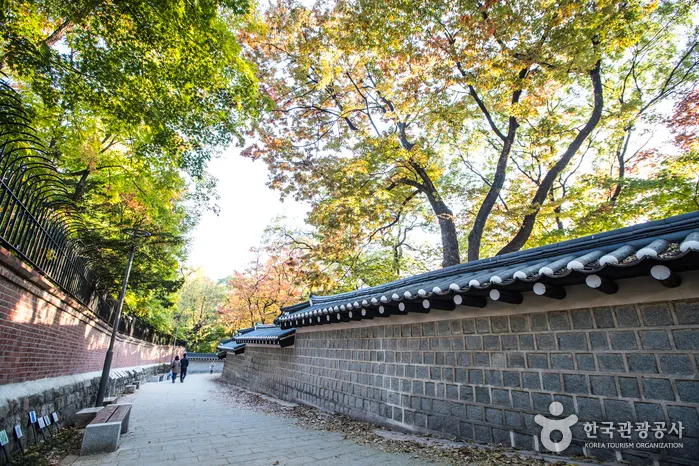
  10. 10.Deoksugung Stone Wall Path (덕수궁 돌담길)

    Deoksugung Stone Wall Path (덕수궁 돌담길)

    Deoksugung Stone Wall Path is an iconic, tree-lined walkway beside Deoksugung Palace.

    • Picturesque stone wall path
    • Lined with mature trees
    • Popular romantic walkway

    The Deoksugung Stone Wall Path is one of Seoul's most beloved and romantic walking routes. This elegant, tree-lined path runs alongside the outer wall of Deoksugung Palace, creating a serene urban oasis. Famous in Korean culture and popular among couples, the path is known for its tranquil atmosphere and the beautiful interplay of old stone walls, mature trees, and surrounding historic buildings. It offers a peaceful escape from the city's hustle and bustle and is a perfect complement to a palace visit.

    Address: 24 Sejong-daero 19-gil, Jung-gu, Seoul

    More info

FAQ

What is the best time to visit these sites?

Spring (April-May) and autumn (September-October) offer pleasant weather for exploring. Weekdays are generally less crowded than weekends. For Deoksugung Palace, the changing of the guard ceremony typically happens daily around 10 AM and 2 PM, check schedules.

How can I get around Seoul to these locations?

Seoul has an excellent public transportation system. The subway is the most efficient way to reach most palaces and hanok villages. Many sites are also accessible by bus. Consider purchasing a T-Money card for easy travel.

Are there any budget-friendly tips?

Yes, purchasing a 'Royal Palace Pass' offers combined entry to multiple palaces at a discounted price. Many areas like Bukchon and Namsangol Hanok Village are free to wander, though specific building entries or experiences may have fees.

What can I pair with a visit to these palaces and villages?

Combine palace visits with exploring nearby traditional markets like Gwangjang Market for food, or enjoy a traditional tea ceremony experience. Many hanok villages have charming cafes and artisan shops perfect for a relaxed afternoon.

Are there any etiquette tips to keep in mind?

When visiting active residential hanok areas like Bukchon, be mindful of noise levels as people live there. Respectfully observe the traditional architecture and refrain from touching or removing any items. Photography is usually allowed but be discreet.