POPULAR
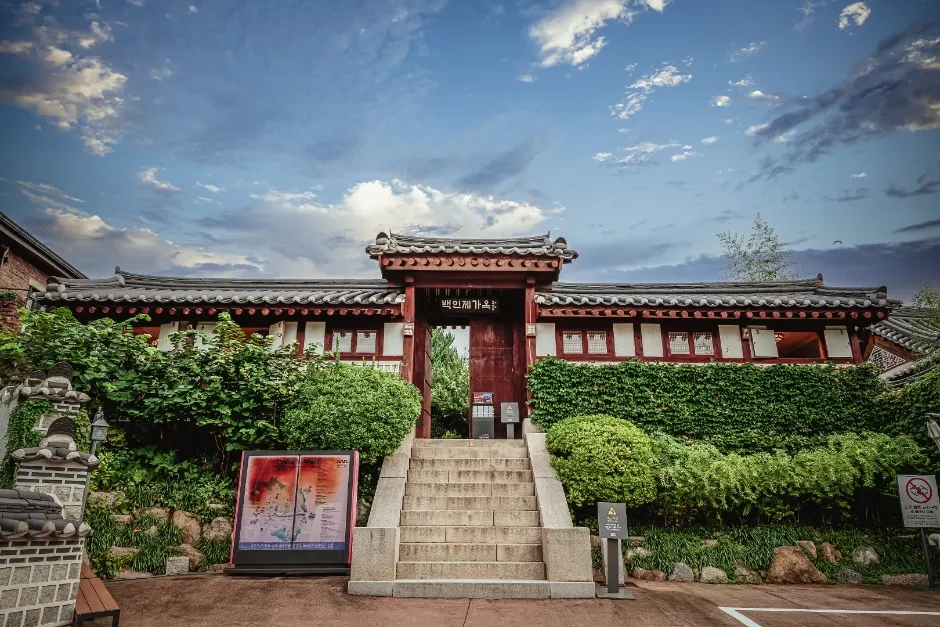
Baek In-je House (백인제가옥) · © KTO · KOGL Type 1
Seoul
Baek In-je House, located in Bukchon Hanok Village, is a hanok built during the Japanese administration period that portrays modern hanok features.
Baek In-je House, located in Bukchon Hanok Village, is a hanok built during the Japanese administration period that portrays modern hanok features. The structure consists of a main room offering a good view of the whole village, spacious bedrooms, a large garden, and annex buildings. As it maintains the beauty of a traditional hanok while incorporating the modern trend of its time, Baek In-je House is considered to be highly valuable in means of both architecture and history, representing the Bukchon Hanok Village together with Yun Bo-seon House.Baek In-je House was built from black pine, which was first introduced in Seoul during the Gyeongseong Expo in 1907, distinguishing itself from other upper-class houses of its time. Unlike other traditional hanok designs that separate the main building from the other rooms, Baek In-je House connects the two with a hallway, allowing convenient access between the two structures. The house also consists of a Japanese-style hallway and floor mat rooms, reflecting the interior trends of that period. Baek In-je House is also unique in that the main room is partially built as a two-story structure, a style that was never seen in any traditional hanok built during the Joseon period. ◎ Travel info featuring Korean Wave attractions - Drama The place where major shareholder Jin Do-jun and Sunyang Group Chairman Jin Yang-cheol meet is Baek In-je House. Baek In-je House is a representative modern hanok with a commanding view over Bukchon. The sarangchae (men's quarters), anchae (women's quarters), garden, and byeoldangchae (separate annex) give a glimpse into the lifestyles of the upper class at the time. The room where Jin Yang-cheol and Jin Do-jun met is the sarangchae. Interior tours are available with guided tour reservations, so be sure to check ahead. Official location: 16 Bukchon-ro 7-gil, Jongno-gu, Seoul. Visiting hours: 09:00-18:00 (Last entry 17:30) ※In the case of free viewing, only outside the facility (no entry inside the facility). Closure information: Mondays (open in the case of Monday being a public holiday), January 1. Parking: Not available. Information contact: +82-2-724-0200.
Parking: Not available. These details come from the Korea Tourism Organization and can change — confirm parking, age conditions, and program availability on the official channel before you visit.
Other places in Seoul that pair well with this visit.