Photo gallery
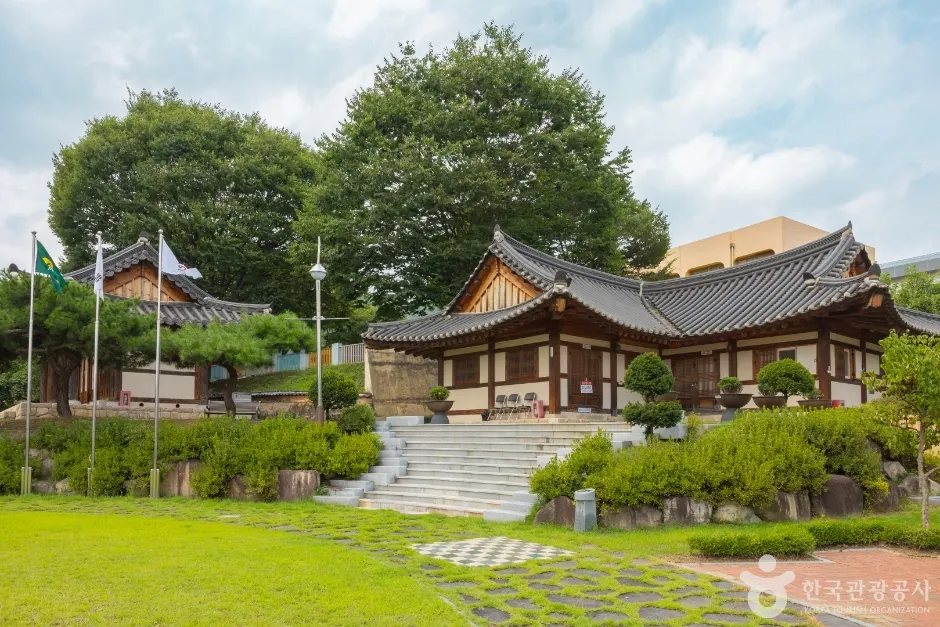
Cheongungak Hall (청운각) · © KTO · KOGL Type 3
Korea
Cheongungak Hall
Cheongungak Hall in Uljin, Gyeongsangbuk-do, is a preserved late-Joseon-era pavilion, one of a small number of Uljin-area civic-and-scholarly pavilions that have survived the region's turbulent 20th-century history intact.
Why go
Cheongungak Hall in Uljin, Gyeongsangbuk-do, is a preserved late-Joseon-era pavilion, one of a small number of Uljin-area civic-and-scholarly pavilions that have survived the region's turbulent 20th-century history intact. Built in the mid-19th century as a scholarly retreat pavilion for a prominent local literati, the hall's traditional Korean wood-frame construction, characteristic upturned eaves, and elevated wooden floor exemplify late-Joseon regional pavilion architecture — smaller-scale but architecturally continuous with the more famous Yeongnam pavilions further south. The pavilion sits on a low rise above a scenic river bend, and the elevated floor gave the original scholars — and gives modern visitors — a broad valley view down onto the water. Interpretive panels explain the pavilion's specific literati history and the broader Yeongnam-region pavilion tradition. Free entry (open grounds; the interior floor is accessible only on scheduled cultural-heritage open days). Allow about 45 minutes. Best in spring or autumn when the river valley shows its full color; winter visits are cold and the river view is bare. Pair with the broader Uljin cultural-heritage circuit including Bulyeongsa Temple and the Uljin coast, and with the Uljin Songgi Cultural Village for a full Uljin cultural day.
Quick highlights
- Traditional Korean architecture with characteristic curved roof lines
- Wooden structural elements showcasing classical Korean construction techniques
- Quiet, contemplative atmosphere suitable for cultural exploration
- Photogenic courtyard setting ideal for architectural and travel photography
- A meaningful stop for visitors interested in Korean heritage and history