Photo gallery
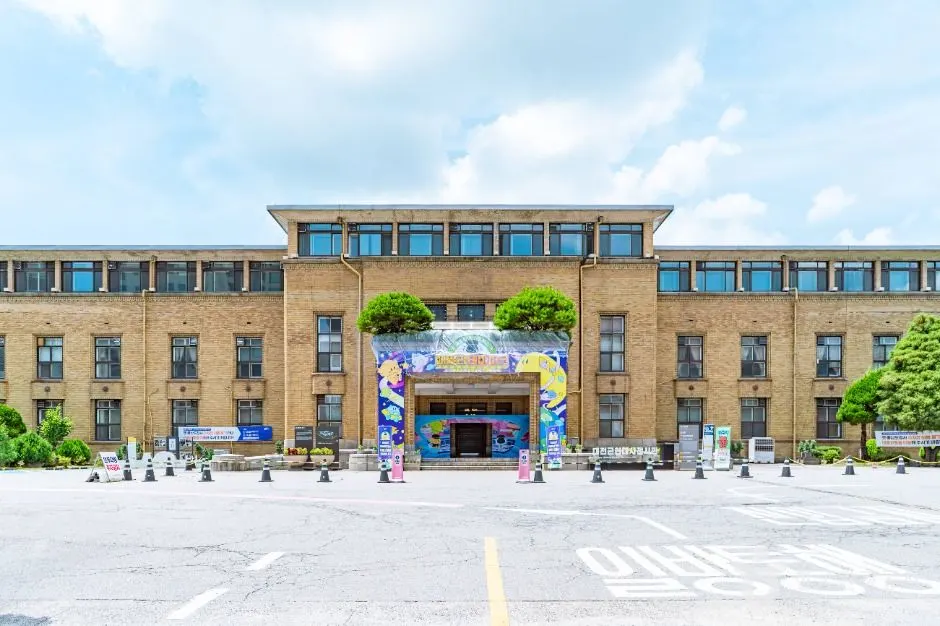
Daejeon Modern History Exhibition Hall (대전근현대사전시관(옛 충남도청사 본관)) · © KTO · KOGL Type 1
Korea
Daejeon Modern History Exhibition Hall
Daejeon Modern History Exhibition Hall in central Daejeon is a public institutional museum on the modern history of Daejeon — a city whose specific historical character was shaped by the colonial-era Gyeongbu Line railway opening in 1904, which es...
Why go
Daejeon Modern History Exhibition Hall in central Daejeon is a public institutional museum on the modern history of Daejeon — a city whose specific historical character was shaped by the colonial-era Gyeongbu Line railway opening in 1904, which established Daejeon as a strategic railway junction, and by the subsequent rapid urbanization through the 20th century. The museum walks visitors through Daejeon's specific historical evolution — from small pre-modern settlement through colonial-era railway-city transformation, through the post-liberation transition, the temporary post-Korean-War administrative capital role, the 1970s-1980s heavy-industry growth, and the modern positioning as Korea's science-and-research capital (Daedeok Innopolis, KAIST, and multiple national research institutes). Permanent exhibits combine period photographs, colonial-era commercial and residential artifacts, city planning maps, and modern-era research-institution documentation. The building itself is a restored colonial-era commercial building (built 1912 as one of Daejeon's earliest Western-style commercial structures), which makes the museum a partial architectural heritage destination in its own right. Bilingual Korean/English interpretation. Free entry. Allow about 90 minutes. Access: 5-minute walk from Daejeon Station area. Pair with the broader Daejeon cultural attractions including Solomon Law Park (batch 9 verified — Daejeon original), Hanbat Arboretum, and the Eunhaeng-dong cafe district for a Daejeon cultural day.
Quick highlights
- Former provincial government building with historical architectural significance
- Documents Daejeon's 20th-century modernization and urban development
- Exhibits photographs, documents, and artifacts from regional history
- Housed in landmark colonial and post-liberation era structure
- Explores local industrial growth and cultural transformation