POPULAR
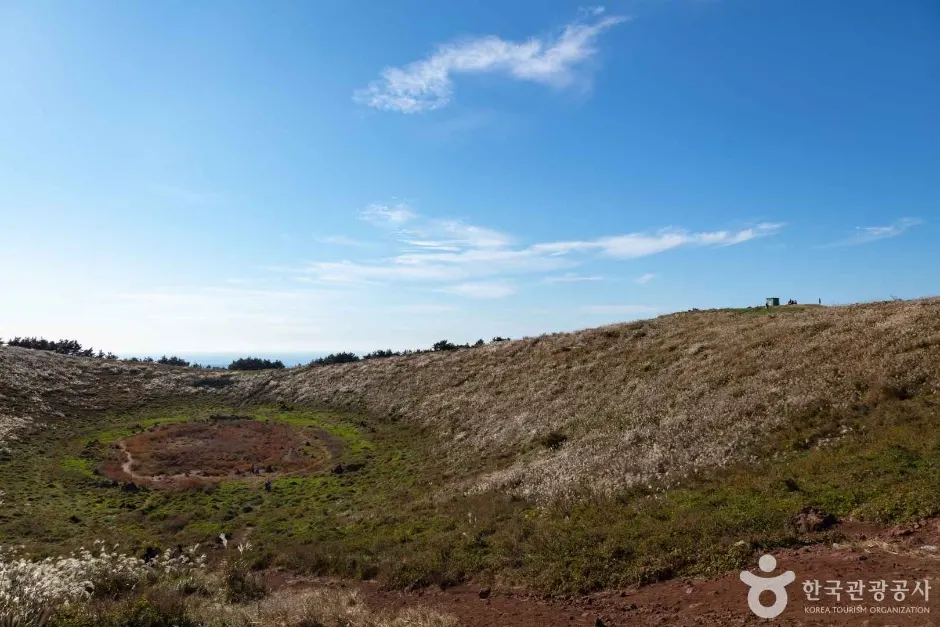
Geum Parasitic Cone (금오름) · © KTO · KOGL Type 1
Jeju
Geum Parasitic Cone is a small volcanic tuff cone located on Jeju Island, formed during one of the island's volcanic eruptions. The site offers visitors a close-up view of Jeju's complex volcanic geology, with accessible trails around its distinctive cone structure. The landscape provides panoramic views of the surrounding terrain and the cone's geological layers. The walk is moderately easy, making it suitable for most visitors interested in natural formations and volcanic history. The cone stands as a notable example of parasitic volcanic activity in the region.
Geum Parasitic Cone is a small volcanic tuff cone located on Jeju Island, formed during one of the island's volcanic eruptions. The site offers visitors a close-up view of Jeju's complex volcanic geology, with accessible trails around its distinctive cone structure. The landscape provides panoramic views of the surrounding terrain and the cone's geological layers. The walk is moderately easy, making it suitable for most visitors interested in natural formations and volcanic history. The cone stands as a notable example of parasitic volcanic activity in the region.
Other places in Jeju that pair well with this visit.


Jeju
Why go: Jeju island vibe — volcanic coast, slow pace