Photo gallery
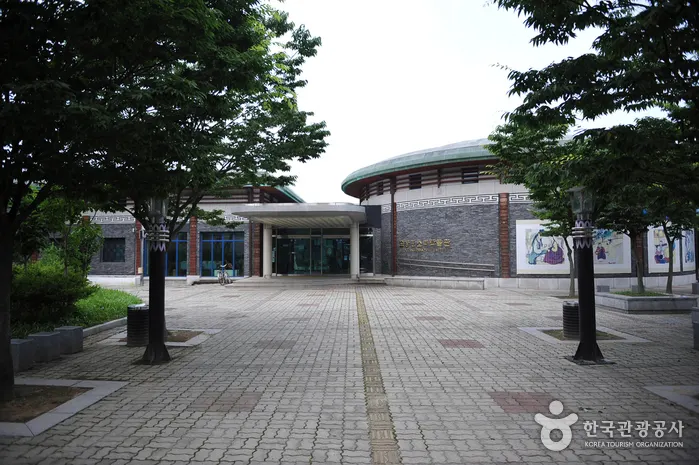
Gochang Pansori Museum (고창판소리박물관) · © KTO · KOGL Type 3
Korea
Gochang Pansori Museum
Gochang Pansori Museum in Gochang, Jeollabuk-do, is the dedicated public museum on pansori — the Korean vocal-storytelling tradition that combines singing (sori), spoken-narrative (aniri), and gestural performance (ballim) into extended solo epic ...
Why go
Gochang Pansori Museum in Gochang, Jeollabuk-do, is the dedicated public museum on pansori — the Korean vocal-storytelling tradition that combines singing (sori), spoken-narrative (aniri), and gestural performance (ballim) into extended solo epic narratives that have been performed for centuries. Pansori was inscribed on the UNESCO Intangible Cultural Heritage list in 2003, and Gochang's specific role in the tradition's history comes from being the birthplace of Sin Jae-hyo (1812-1884, batch 10 verified), the Joseon-era pansori compiler and theorist who systematized the tradition. The museum walks visitors through the technical structure of the six canonical pansori narratives (Chunhyangga, Simcheongga, Heungbuga, Sugungga, Jeokbyeokga, Byeongangsa Garuji Taryeong), the historical development of pansori from its 17th-18th century origins through Sin Jae-hyo's 19th-century codification, the specific vocal-training tradition, and contemporary pansori performance culture. Scheduled live pansori performances are offered at the museum's small performance hall on select days. Bilingual Korean/English interpretation. Free entry. Allow about 90 minutes (longer if timing a live performance). Access: about 15 minutes from central Gochang by taxi. Pair with the broader Gochang cultural attractions including Sin Jae-hyo's House (batch 10 verified), Gochangeupseong Walled Town (batch 8 verified), Seonunsa Temple (same-batch verified) for a full Gochang cultural-and-pansori day.
Quick highlights
- UNESCO-recognized traditional Korean narrative music form
- Historical instruments, manuscripts, and master recordings on display
- Learn techniques from legendary pansori performers and masters
- Documents evolution of Jeolla region's most important art form
- Foundation for understanding live pansori performances