Photo gallery
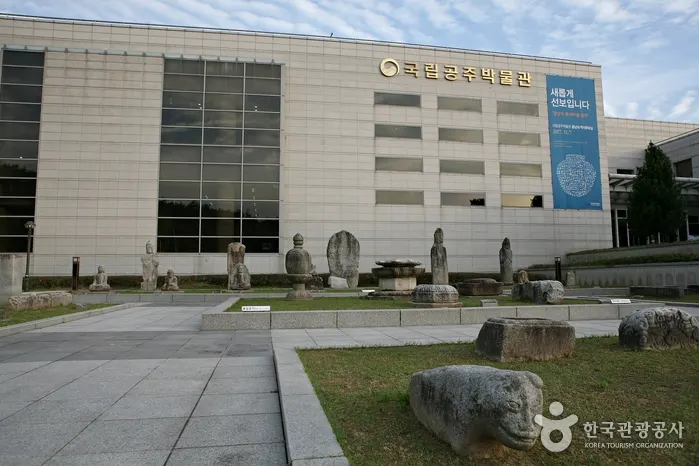
Gongju National Museum (국립공주박물관) · © KTO · KOGL Type 3
Korea
Gongju National Museum
Gongju National Museum is the dedicated national museum on Baekje-period material from the Gongju region — Gongju (then called Ungjin) was Baekje's middle capital from 475 to 538 CE, the period between the fall of the original Hanseong capital and...
Why go
Gongju National Museum is the dedicated national museum on Baekje-period material from the Gongju region — Gongju (then called Ungjin) was Baekje's middle capital from 475 to 538 CE, the period between the fall of the original Hanseong capital and the relocation to Buyeo. The museum holds the most comprehensive Korean public collection on this Ungjin-period material, including the famous artifacts excavated from King Muryeong's Tomb in 1971 — one of the most important undisturbed royal tomb discoveries in 20th-century Korean archaeology, with substantial gold ornaments, ritual objects, a stone burial-record stele that anchored the tomb's dating, and evidence of Baekje's diplomatic relationships with China's Southern Dynasties. Free entry. Bilingual (Korean/English) interpretation across the permanent galleries. Allow about 2 hours for a focused visit, longer if pairing with the adjacent Songsan-ri Tombs archaeological site where King Muryeong's Tomb itself is located. Pair with the Gongju-area UNESCO Baekje Historic Areas sites (jointly inscribed 2015) — Gongsanseong Fortress in central Gongju, the Songsan-ri Tombs including King Muryeong's Tomb, and the broader Ungjin-period royal-tomb corridor. A full Gongju cultural day comfortably combines museum + fortress + tomb complex.
Quick highlights
- National museum on Baekje-period Ungjin/Gongju material (475-538 CE)
- Most comprehensive collection on this period
- Artifacts from King Muryeong's Tomb (1971 excavation)
- Among most important undisturbed royal tomb discoveries in 20th-century Korean archaeology
- Pair with UNESCO Baekje Historic Areas in Gongju