Photo gallery
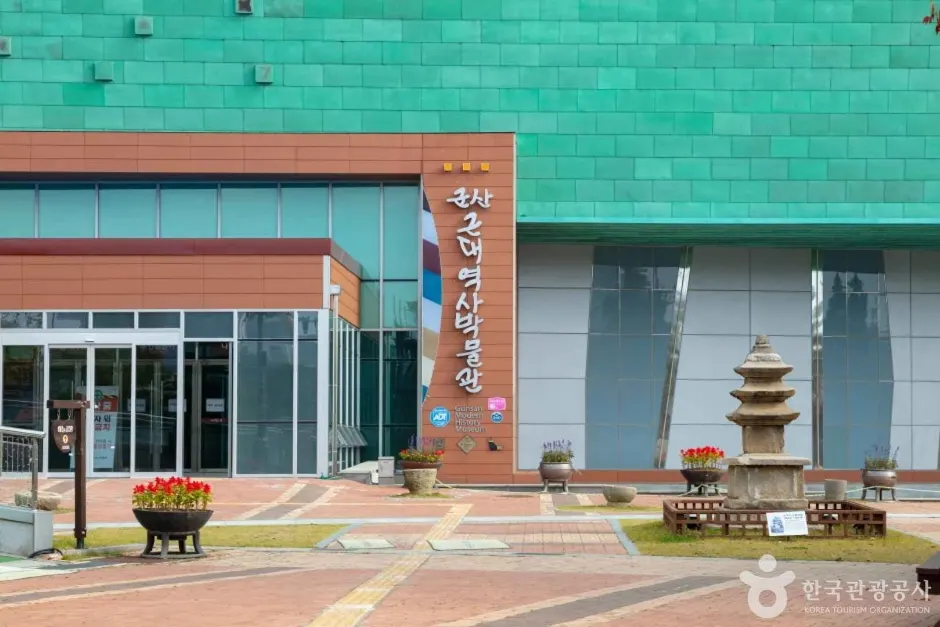
Gunsan Modern History Museum (군산근대역사박물관) · © KTO · KOGL Type 3
Korea
Gunsan Modern History Museum
Gunsan Modern History Museum in Gunsan, Jeollabuk-do, is the flagship public museum on Gunsan's specific colonial-era modern history — Gunsan was one of Korea's most-cited colonial-era rice-and-agricultural export ports and preserves the country's...
Why go
Gunsan Modern History Museum in Gunsan, Jeollabuk-do, is the flagship public museum on Gunsan's specific colonial-era modern history — Gunsan was one of Korea's most-cited colonial-era rice-and-agricultural export ports and preserves the country's most concentrated collection of colonial-era Japanese architectural infrastructure surviving in one district. The museum walks visitors through the 1899 treaty-port opening of Gunsan (Korea's third international treaty port after Busan and Incheon), the subsequent colonial-era transformation of the city into a major rice-export center serving Japan's industrialization, the specific merchant families and diplomatic figures who shaped the port's early modern character, and the post-liberation transformation of the district. Permanent exhibits combine period photographs, colonial-era commercial and residential artifacts, replicated colonial-era shopfronts, and substantial documentation on Gunsan's specific role in the broader Korean colonial economy. Bilingual Korean/English interpretation. Free entry. Allow about 90 minutes. Access: 5-minute walk from Gunsan Station. Pair with the broader Gunsan Modern History Walking Course including House of Lee Young-choon (batch 6 verified place), Hirotsu House, the former Japanese Customs House, and the Bank of Joseon Gunsan Branch for a full colonial-era Gunsan architectural day.
Quick highlights
- Artifacts and photos spanning Japanese occupation to post-war Korea
- Restored colonial-era building authentically frames the exhibits
- Documents Gunsan's development as a port city
- Displays reveal daily life and social change across decades
- Contextualizes Korea's modern history within local urban experience