Photo gallery
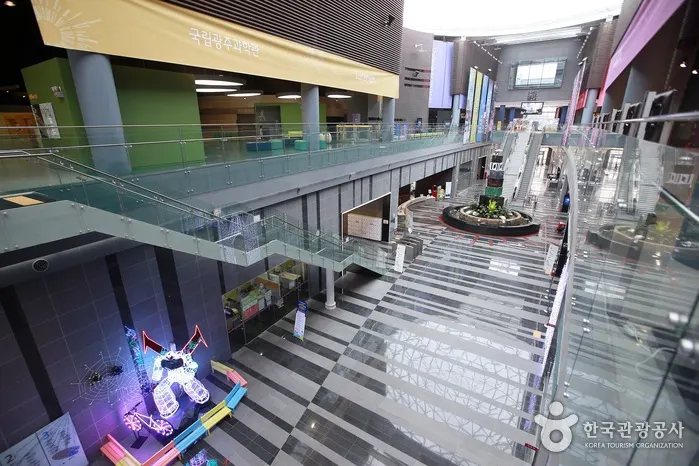
Gwangju National Science Museum (국립광주과학관) · © KTO · KOGL Type 3
Gwangju
Gwangju National Science Museum
Gwangju National Science Museum is the southwestern Korea regional branch of the National Science Museum network, with permanent halls covering basic physics-chemistry-biology, regional geological and ecological context (the Yeongsangang river bas...
Why go
Gwangju National Science Museum is the southwestern Korea regional branch of the National Science Museum network, with permanent halls covering basic physics-chemistry-biology, regional geological and ecological context (the Yeongsangang river basin, Mudeungsan volcanic geology), Korean traditional science (Gwangju-area Joseon-era astronomical observations and weather monitoring), and modern science-and-technology development. The on-site planetarium and 4D theater run scheduled shows daily, and a substantial outdoor exhibition area includes interactive scientific installations that work particularly well as a families-with-kids stop. Free entry to indoor halls (planetarium and theater ticketed with modest fees). Allow about 3 hours for a family visit; solo visitors can cover the essentials in 2 hours. Bilingual signage on the main permanent galleries. Pair with the broader Gwangju cultural attractions — the Asia Culture Center (a major nationally significant modern-culture complex on the site of the former Provincial Hall), the May 18 National Cemetery (the 1980 democracy movement memorial site), and Mudeungsan National Park's foothills for a coherent Gwangju cultural-and-nature day. Weekday mornings are the quietest window; weekend afternoons draw substantial family crowds.
Quick highlights
- Southwestern Korea regional branch of National Science Museum network
- Halls on physics-chemistry-biology, regional geology, Korean traditional science
- On-site planetarium and 4D theater with daily scheduled shows
- Outdoor exhibition area with interactive scientific installations
- Pair with Asia Culture Center