Photo gallery
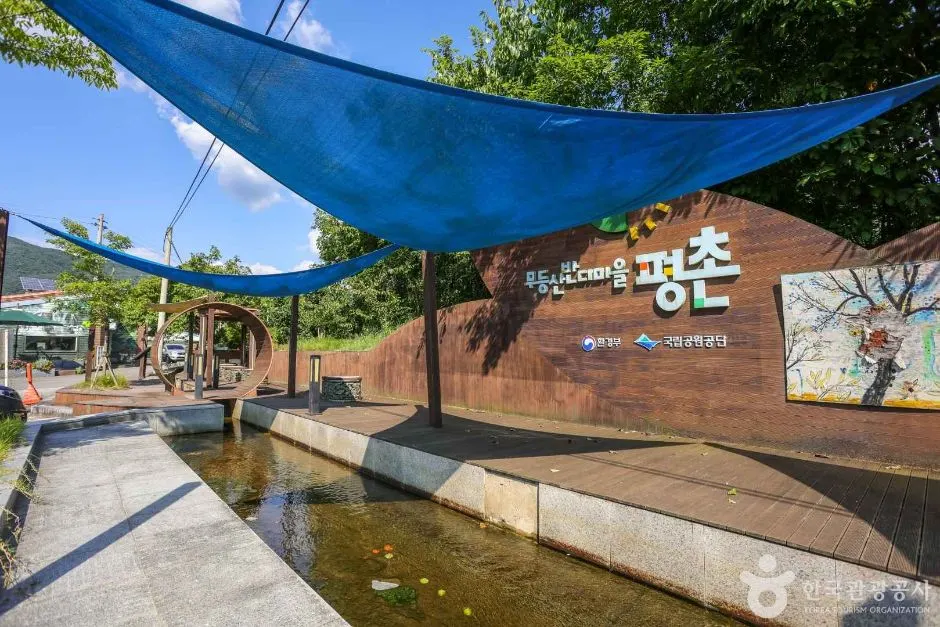
Gwangju Pyeongchon Village (광주 평촌마을) · © KTO · KOGL Type 3
Korea
Gwangju Pyeongchon Village
Gwangju Pyeongchon Village is a preserved traditional village in the Yangnim-dong area of central Gwangju, one of the more atmospheric small heritage-village clusters in the southwestern Korean urban context.
Why go
Gwangju Pyeongchon Village is a preserved traditional village in the Yangnim-dong area of central Gwangju, one of the more atmospheric small heritage-village clusters in the southwestern Korean urban context. The village combines original hanok residential structures, small artisan workshops, and traditional-craft studios in a compact walking district that has been developed as a cultural-tourism destination while retaining active residential and artisan use. Several of the village's hanok have been converted into small galleries, tea houses, and traditional-craft studios (calligraphy, ceramics, natural-dyeing) that visitors can browse, and the surrounding Yangnim-dong district includes additional colonial-era architecture and modern art spaces that extend the walking loop. Free access. Allow about 90 minutes for a focused walking visit. Best on weekday afternoons for a quieter experience. Access: 10-minute walk from Gwangju Bus Terminal area, or via local bus from central Gwangju stations. Pair with the broader Gwangju cultural attractions including the Asia Culture Center (batch 8 verified), Gwangju Museum of Art (batch 7 verified), and the May 18 Democratic Movement Memorial sites for a Gwangju cultural-and-history day.
Quick highlights
- Community-tourism rural village in Gwangju
- Working agricultural community rather than developed tourist site
- Traditional Korean rural-village patterns
- Quiet rural-landscape character
- For travelers seeking quiet rural Korean village experiences