Photo gallery
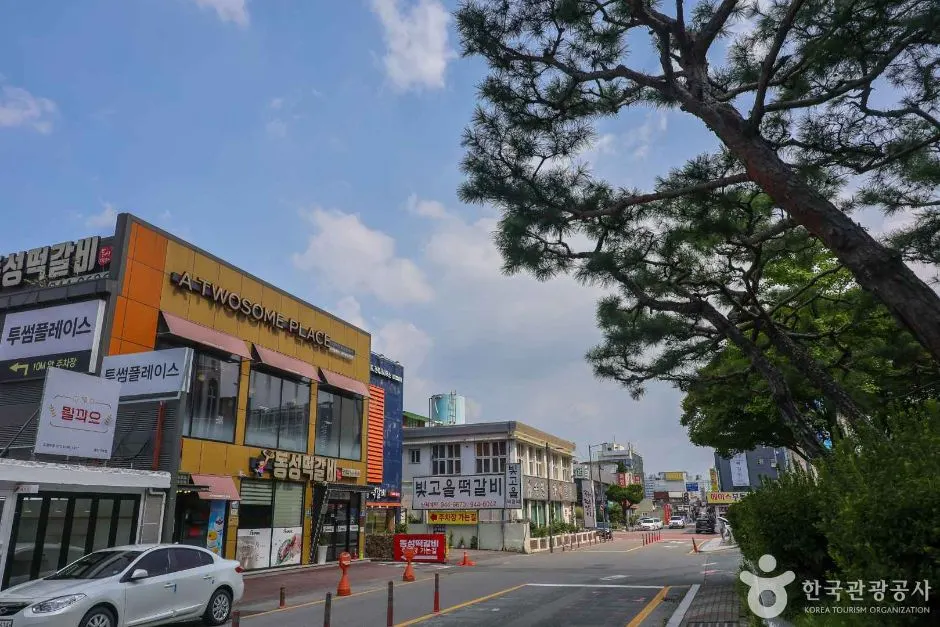
Gwangju Songjeong-dong Tteokgalbi Street (광주 송정동 떡갈비 골목) · © KTO · KOGL Type 3
Korea
Gwangju Songjeong-dong Tteokgalbi Street
Gwangju Songjeong-dong Tteokgalbi Street is a clustered street of tteokgalbi (grilled minced-rib patty) restaurants in Gwangju's Songjeong-dong area, the long-established home of Gwangju's signature tteokgalbi dish — minced beef-and-pork ribs seas...
Why go
Gwangju Songjeong-dong Tteokgalbi Street is a clustered street of tteokgalbi (grilled minced-rib patty) restaurants in Gwangju's Songjeong-dong area, the long-established home of Gwangju's signature tteokgalbi dish — minced beef-and-pork ribs seasoned with Korean spices, formed into patties, and grilled over charcoal. The Songjeong tteokgalbi tradition dates back to the early 20th century and the dish has become one of Gwangju's most recognized regional culinary specialties, with the Songjeong-dong strip regarded as the reference-standard destination for the dish. The street features a cluster of family-run tteokgalbi restaurants serving the dish in its traditional form alongside Korean banchan side dishes, with each restaurant using its own family recipe (some running unchanged for three generations). A standard order arrives as portioned patties with rice, soup, and 8-12 side dishes per person; two patties per adult is typical. Access: the street is a 5-minute walk from Gwangju-Songjeong Station (KTX and subway Line 1), which makes the strip an unusually good arrival-day or departure-day meal for travelers connecting through Gwangju by train. Pairs naturally with broader Gwangju cultural-and-food day-trip itineraries including the Asia Culture Center and the May 18 Democracy Memorial sites.
Quick highlights
- Clustered street of tteokgalbi restaurants in Gwangju's Songjeong-dong
- Long-established home of Gwangju's signature tteokgalbi dish
- Minced beef-and-pork rib patties grilled over charcoal
- Tradition dates back to the early 20th century
- Family-run restaurants each using their own recipe