POPULAR
Seoul
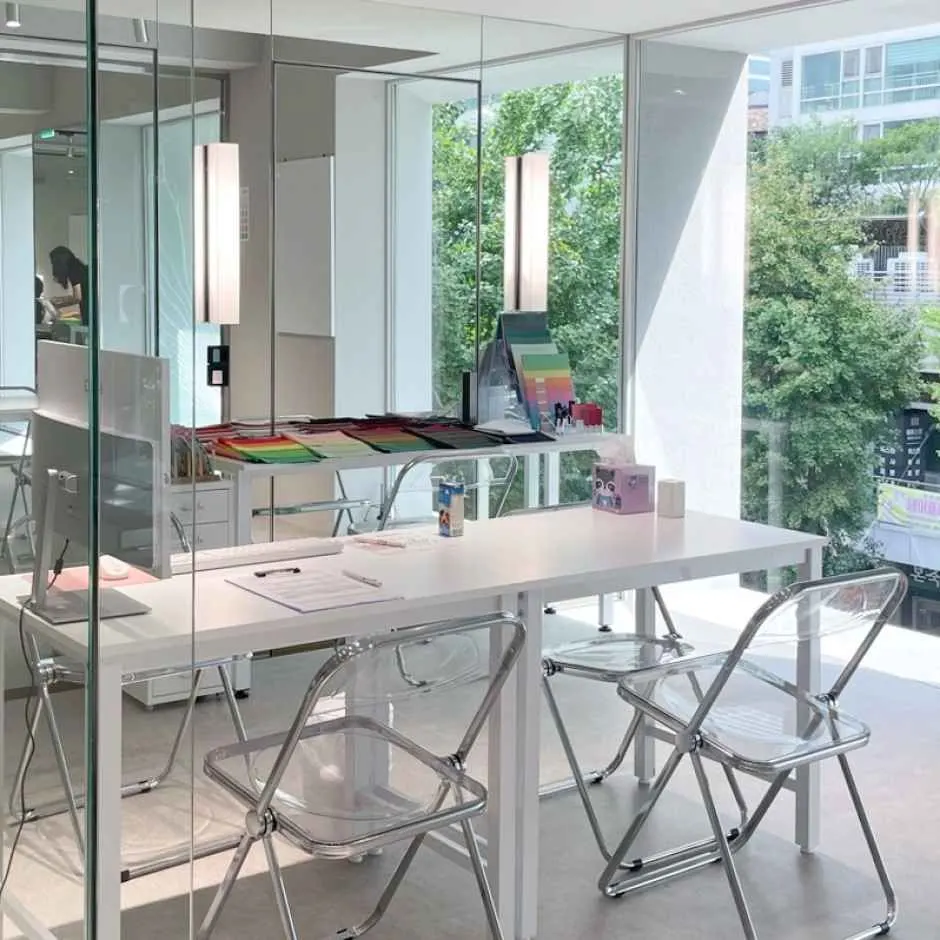
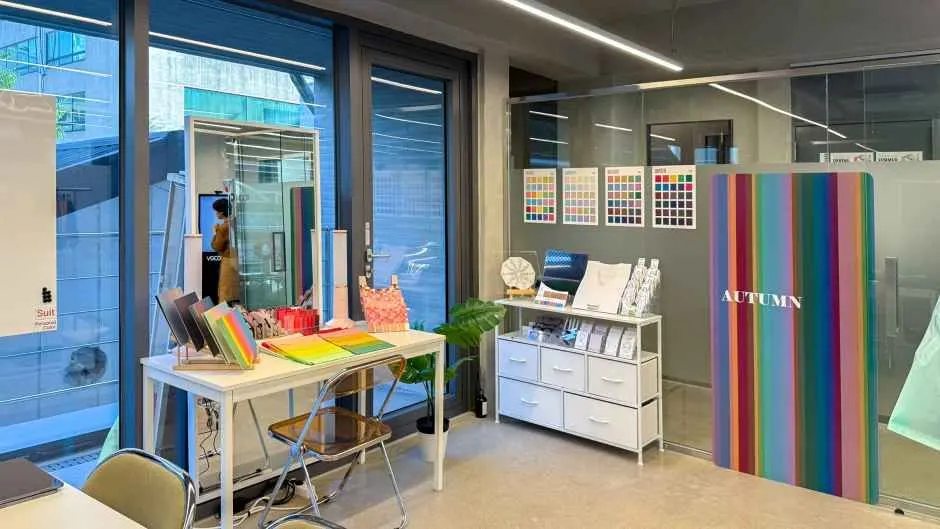
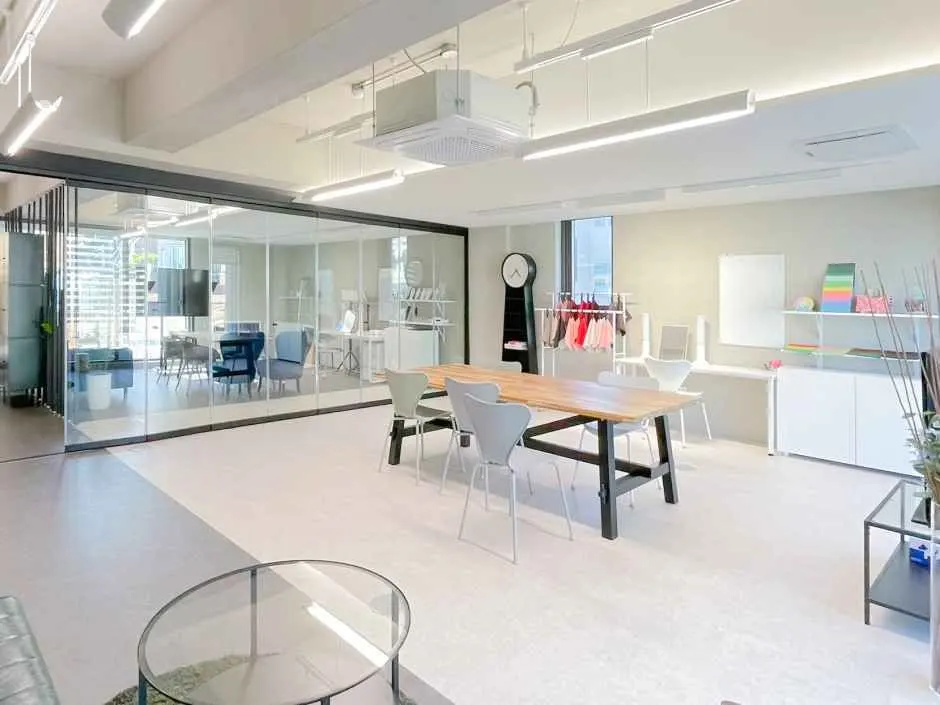
Cocory Color Research Institute - Myeongdong Branch
Why go: Seoul's distinctive city pulse
ROOT
View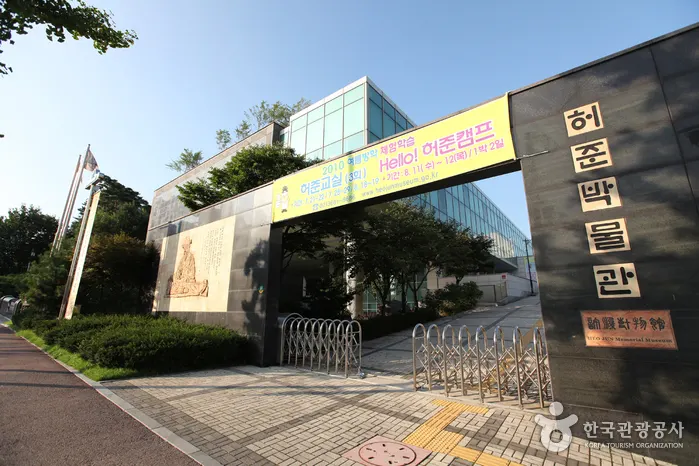
Heojun Museum (허준박물관) · © KTO · KOGL Type 3
Seoul
Heo Jun Museum in Seoul's Gangseo-gu is the dedicated public museum on Heo Jun (1539-1615), the Joseon-era physician who compiled the Donguibogam — the encyclopedic Korean medical treatise completed in 1610 that codified traditional Korean medicin...
Heo Jun Museum in Seoul's Gangseo-gu is the dedicated public museum on Heo Jun (1539-1615), the Joseon-era physician who compiled the Donguibogam — the encyclopedic Korean medical treatise completed in 1610 that codified traditional Korean medicine and became one of the foundational reference texts of East Asian medical tradition. The Donguibogam was inscribed on the UNESCO Memory of the World Register in 2009, making Heo Jun one of the most internationally recognized figures in the Korean medical-scholarly canon. The museum walks visitors through Heo Jun's biography (born to a mid-ranking noble family, rose through the royal medical academy, served as physician to King Seonjo through the Imjin War period, compiled the Donguibogam over decades of exile-era work), the specific medical philosophy of the Donguibogam, the botanical and mineral materia medica that anchored Korean traditional medicine, and the ongoing use of the Donguibogam in contemporary Korean traditional medicine practice. Bilingual Korean/English interpretation. Free entry. Allow about 90 minutes. Access: 5-minute walk from Gayang Station (Line 9, Exit 1). Pair with the broader Gangseo cultural circuit or with Seoul's Yakjeon (herbal medicine) districts for a Korean traditional-medicine cultural day.
Other places in Seoul that pair well with this visit.
Seoul
Why go: Seoul's distinctive city pulse
Seoul
Why go: Seoul's distinctive city pulse