Photo gallery
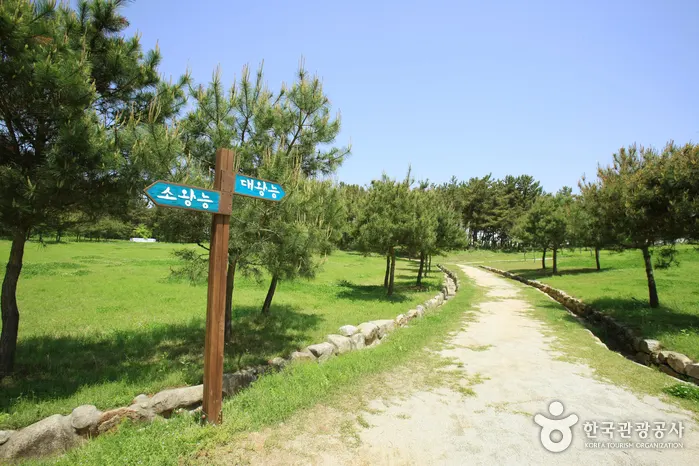
Iksan Ssangneung (익산 쌍릉) · © KTO · KOGL Type 3
Korea
Iksan Ssangneung
Iksan Ssangneung (Twin Tombs) is a Baekje-era royal tomb complex in Iksan, Jeollabuk-do, one of the eight sites jointly inscribed on the UNESCO World Heritage List in 2015 as the Baekje Historic Areas.
Why go
Iksan Ssangneung (Twin Tombs) is a Baekje-era royal tomb complex in Iksan, Jeollabuk-do, one of the eight sites jointly inscribed on the UNESCO World Heritage List in 2015 as the Baekje Historic Areas. The site consists of two adjacent royal tomb mounds traditionally identified as belonging to King Mu (r. 600-641 CE) and his queen — the same King Mu whose 602 CE founding of Mireuksa Temple (batch 7 verified) shaped much of late-Baekje religious-and-royal architecture. The tombs follow the Baekje royal-tomb typology of earthen mound + stone burial chamber, and the site's specific archaeological character (undisturbed tomb structures with associated grave goods) makes it one of the more informative Baekje royal-tomb sites for scholarly study. A small interpretive museum at the site walks visitors through the archaeological findings and the broader Baekje royal-tomb tradition. Free entry. Allow about 60 minutes for the site + museum. Best combined with the broader Iksan Baekje UNESCO cluster including Mireuksa Temple Site (batch 7 verified), Wanggung-ri Royal Palace Site (5 minutes by car), and Gongju National Museum (batch 4 verified — one of Korea's most substantial Baekje collections). Access: about 20 minutes from Iksan Station (KTX) by taxi.
Quick highlights
- Pair of early-7th-century Baekje royal tombs
- Identified as King Mu and his queen consort
- Among the largest Baekje royal mounds
- Quiet pine grove with bilingual interpretive panel
- Pair with Mireuksa Temple Site and Wanggung-ri