Photo gallery
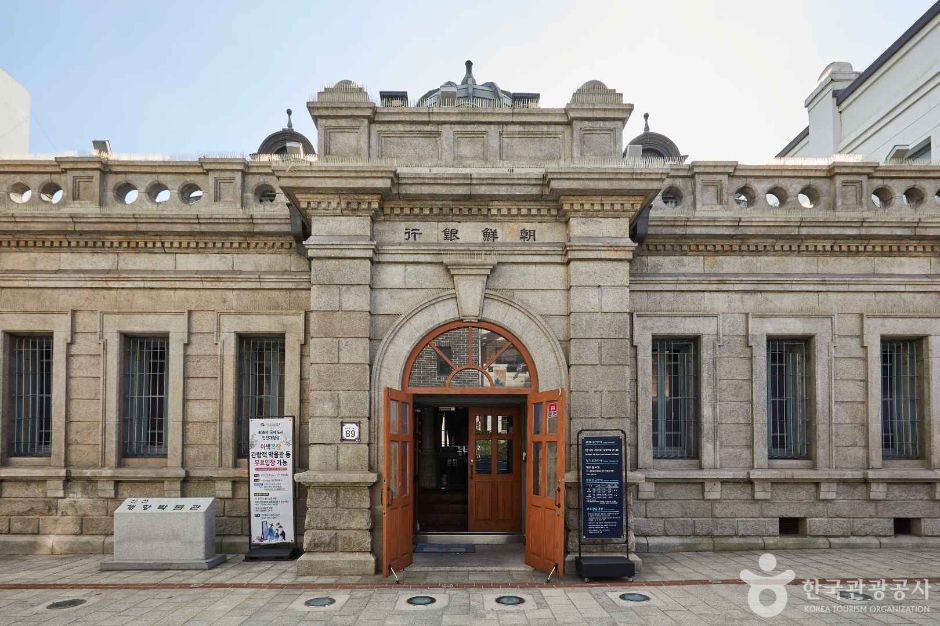
Incheon Open Port Museum (인천개항박물관) · © KTO · KOGL Type 3
Korea
Incheon Open Port Museum
Incheon Open Port Museum in the Incheon Open Port heritage district is a public institutional museum dedicated to the history of Incheon's opening as a treaty port in 1883 and the subsequent colonial-era transformation of the city into Korea's sec...
Why go
Incheon Open Port Museum in the Incheon Open Port heritage district is a public institutional museum dedicated to the history of Incheon's opening as a treaty port in 1883 and the subsequent colonial-era transformation of the city into Korea's second-largest international trading port. The museum is housed in the restored former Japanese First Bank branch building (built 1899), one of the most architecturally distinctive colonial-era commercial buildings surviving in Korea. Permanent exhibits cover the 1883 Korea-Japan treaty that opened Incheon, the subsequent multi-national concession system (Japanese, Chinese, Western), the specific merchant families and diplomatic figures who shaped the port's early modern character, the 1900s-1910s urbanization patterns, and the colonial-era transportation infrastructure (the Gyeongin Line to Seoul opened 1899, Korea's first railway). Bilingual Korean/English interpretation. Free entry. Allow about 90 minutes. Access: 10-minute walk from Incheon Station (Line 1 terminus). Pair with the broader Incheon Open Port heritage circuit including Chinatown (adjacent), the Incheon Art Platform (repurposed colonial warehouses), Jayu Park with the Korea-America Centennial Monument, and the Incheon National Maritime Museum (batch 4 verified) for a full Open Port cultural day.
Quick highlights
- History museum on Incheon's 1883 opening as a treaty port
- Housed in the preserved Daiichi Bank Incheon branch building
- Foreign concessions, customs and shipping infrastructure
- Lives of foreign and Korean residents in the port era
- Pairs with Modern Architecture Hall, Chinatown, Jajangmyeon Museum