Photo gallery
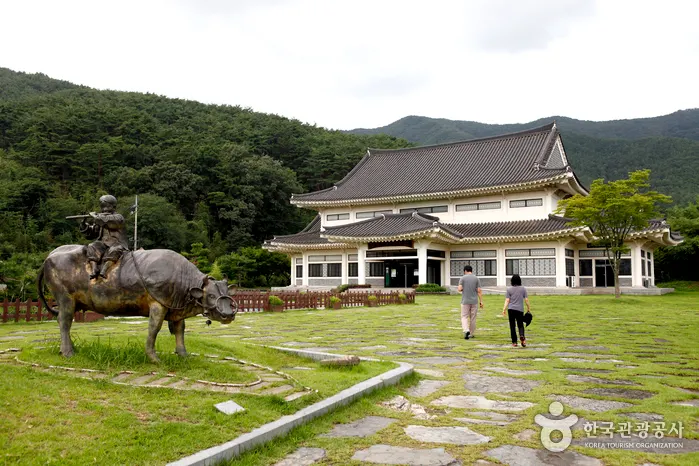
Korea Gasa Literature Collection (한국가사문학관) · © KTO · KOGL Type 3
Korea
Korea Gasa Literature Collection
The Gasa Literature Collection was completed in October 2000 and is located in Damyang, Jeollanam-do, an area which is famous for its fertile land and rich historical heritage.
Why go
The Gasa Literature Collection was completed in October 2000 and is located in Damyang, Jeollanam-do, an area which is famous for its fertile land and rich historical heritage. Apart from the main building, additional buildings include a souvenir shop, and traditional tea house. In the museum, historical literature such as “Myeonangjip” (a collection of Gasa poems by Song Sun) and “Songgangjip,” (a collection of Gasa poems by Jeong Cheol) are on display. There are 11,461 artifacts and literature on Gasa culture, 18 Gasa works, and 15,000 books about Gasa. Official location: 877, Gasamunhak-ro, Damyang-gun, Jeonnam-Gwangju Special Metropolitan City. Visiting hours: November-February 09:00-17:00 / May-August 09:00-19:00 / March, April, September, October 09:00-18:00. Closure information: N/A (Open all year round). Parking: Available. Admission information: Individuals: Adults 2,000 won / Teenagers 1,000 won / Children 700 won Groups: Adults 1,600 won / Teenagers 700 won / Children 500 won * Groups: 20 people or more * Free admission: Preschoolers, senior citizens (ages 65 & older). Information contact: • 1330 Travel Hotline: +82-2-1330 (Korean, English, Japanese, Chinese) • For more info: +82-61-380-2701.
Quick highlights
- Public museum dedicated to Korean traditional gasa poetry
- Joseon-era form combining vernacular Korean with classical Chinese structure
- Damyang was birthplace of many canonical gasa works
- Original manuscripts, period photographs, bilingual interpretation
- Pair with Damyang's gasa-literature corridor sites