Photo gallery
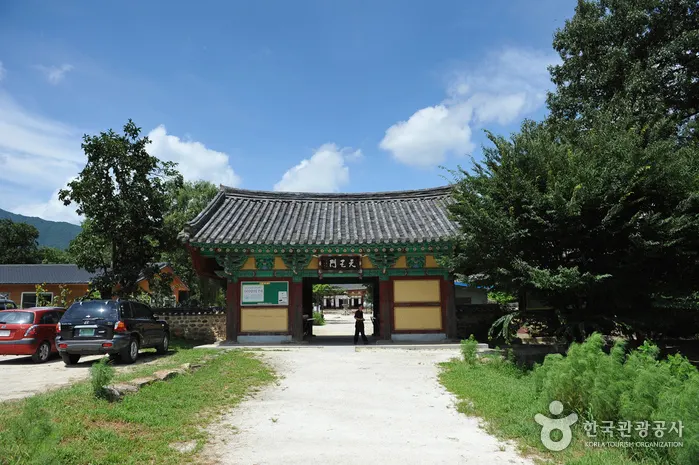
Namwon Silsangsa Temple (실상사(남원)) · © KTO · KOGL Type 3
Korea
Namwon Silsangsa Temple
Silsangsa Temple in Namwon, Jeollabuk-do, is a Buddhist temple set on the slopes of Jirisan National Park's northern foothills, one of the more historically significant Korean Buddhist temples with a founding tradition that traces back to the mid-...
Why go
Silsangsa Temple in Namwon, Jeollabuk-do, is a Buddhist temple set on the slopes of Jirisan National Park's northern foothills, one of the more historically significant Korean Buddhist temples with a founding tradition that traces back to the mid-9th century CE (Silla period). The temple was founded by the eminent Silla monk Hongcheokguksa around 828 CE as one of the earliest and most significant Nine Mountain Zen Buddhist temples (Gusan Seonmun) — a key early Korean Zen (Seon) Buddhist institutional tradition that shaped much of the subsequent Korean Buddhist Zen practice. The compound holds multiple Korean Treasure-designated Buddhist artworks including stone pagodas, stone lanterns, and a substantial stone iron-cast Buddha statue, and the working monastic tradition has continued through the Goryeo and Joseon periods to the modern era. The specific Nine Mountain Zen positioning gives the temple particular significance for travelers interested in Korean Buddhist Zen heritage. Free entry. Allow about 90 minutes for a focused visit. A temple-stay overnight program allows visitors to experience Korean Buddhist Zen monastic practice firsthand. Access: about 40 minutes from Namwon town by taxi. Pair with the broader Namwon cultural attractions including Gwanghallu Pavilion (batch 9 verified — Chunhyang love-story pavilion) and Baraebong Peak (batch 9 verified — spring azalea Jirisan-adjacent) for a Namwon cultural-and-Buddhist day.
Quick highlights
- 9th-century founding temple of Korean Seon Buddhism (828 CE)
- First of the Nine Mountain Schools of Korean Seon
- Modest compound with celebrated double-pagoda arrangement
- Unusual flat-farmland setting rather than mountain seclusion
- Pair with Baraebong Peak or Gwanghallu Pavilion