Photo gallery
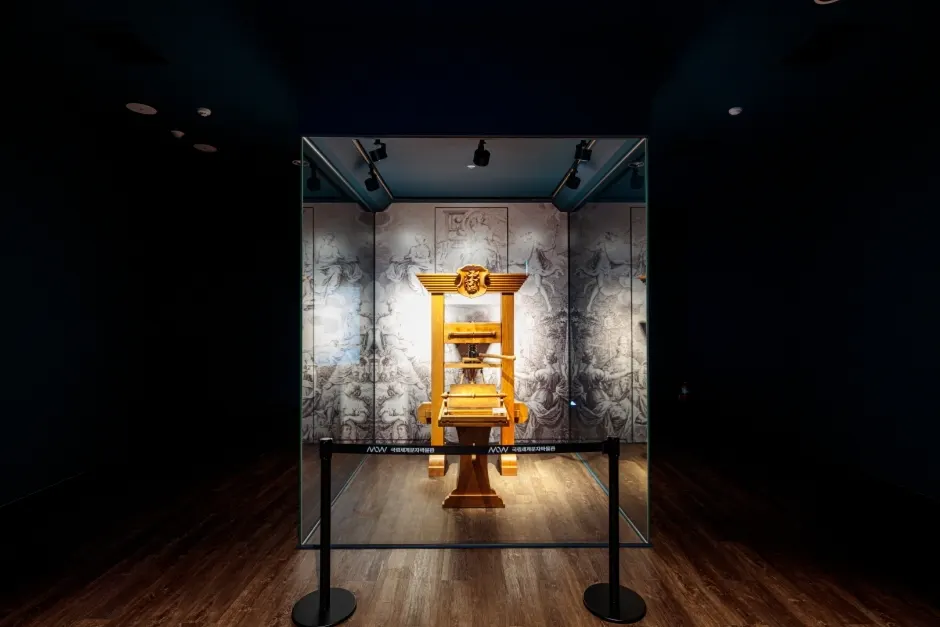
National Museum of World Writing Systems (국립세계문자박물관) · © KTO · KOGL Type 3
Korea
National Museum of World Writing Systems
National Museum of World Writing Systems in Songdo, Incheon, is a public institutional museum dedicated to the history of the world's writing systems — one of a very small number of museums globally with this specific comparative-writing-history f...
Why go
National Museum of World Writing Systems in Songdo, Incheon, is a public institutional museum dedicated to the history of the world's writing systems — one of a very small number of museums globally with this specific comparative-writing-history focus. Opened in 2023 as part of Songdo's cultural infrastructure buildout, the museum places Hangul (Korea's alphabetic writing system, created by King Sejong the Great in the 1440s) in its broader context alongside Chinese characters, Sanskrit, Arabic script, cuneiform, Egyptian hieroglyphs, and the world's other major writing traditions. Permanent exhibits combine period documents from major writing traditions, interactive touch-panel demonstrations of how different scripts work, and substantial educational content on the linguistic-and-cultural history of literacy globally. Special exhibitions rotate on specific script traditions and their cultural contexts. Bilingual Korean/English interpretation across permanent galleries; the museum's specific research mission means English support is particularly strong compared to typical Korean regional museums. Free entry. Allow about 2 hours. Access: 15-minute walk from Central Park Station (Incheon Line 1). Pair with Songdo Central Park (adjacent), Tri-bowl performance venue, and the broader Songdo International Business District for a Songdo cultural day.
Quick highlights
- Exhibits on ancient cuneiform, hieroglyphics, and modern alphabets
- Interactive displays explaining script evolution across civilizations
- Collections from major global writing traditions and languages
- Educational focus on linguistic and cultural connections
- Research-oriented museum preserving endangered writing systems