Photo gallery
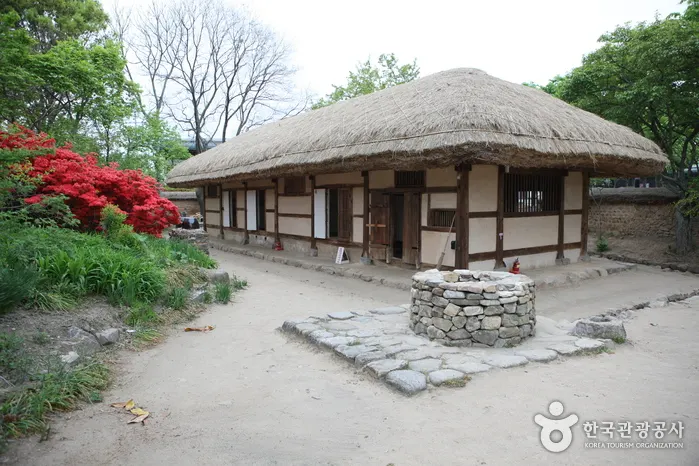
Sin Jae-hyo's House (고창 신재효 고택) · © KTO · KOGL Type 3
Korea
Sin Jae-hyo's House
Sin Jae-hyo's House in Gochang, Jeollabuk-do, is the preserved birth-and-residence site of Sin Jae-hyo (1812-1884), the Joseon-era pansori compiler and theorist who systematized the pansori vocal-storytelling tradition — codifying the six canonica...
Why go
Sin Jae-hyo's House in Gochang, Jeollabuk-do, is the preserved birth-and-residence site of Sin Jae-hyo (1812-1884), the Joseon-era pansori compiler and theorist who systematized the pansori vocal-storytelling tradition — codifying the six canonical pansori narratives (Chunhyangga, Simcheongga, Heungbuga, Sugungga, Jeokbyeokga, and Byeongangsa Garuji Taryeong), establishing the modern pansori vocal training system, and personally training many of the first generation of nationally recognized pansori masters. The restored hanok complex preserves the traditional Jeollabuk-style residential architecture of Sin's era, with the house arranged around a central courtyard. A small interpretive museum walks visitors through Sin's biographical and scholarly contributions, the technical structure of the six canonical pansori narratives, and Sin's specific historical role in shaping pansori as a codified vocal-storytelling tradition. Bilingual Korean/English interpretation. Free entry. Allow about 60 minutes. Pair with the broader Gochang cultural attractions including Seonunsan Mountain National Geopark (batch 5 verified), Gochang Dosoram Hermitage (batch 8 verified), Gochangeupseong Walled Town (batch 8 verified), and the Gochang UNESCO Dolmen Site for a full Gochang cultural-and-heritage day. Access: about 15 minutes from central Gochang by taxi.
Quick highlights
- Preserved 19th-century residence of pansori theorist Sin Jae-hyo
- Sin systematized the six canonical pansori narratives
- Trained the first generation of female pansori singers
- Living quarters, study, small archive of original transcriptions
- Pair with Gochangeupseong or Seonunsa Temple