Wellness
"A tranquil escape from the city?"... Banyasa Temple, Suwon's quiet Buddhist sanctuary
Discover Banyasa Temple in Suwon, a historic Buddhist sanctuary offering a peaceful retreat amidst ancient forests, perfect for quiet contemplation.
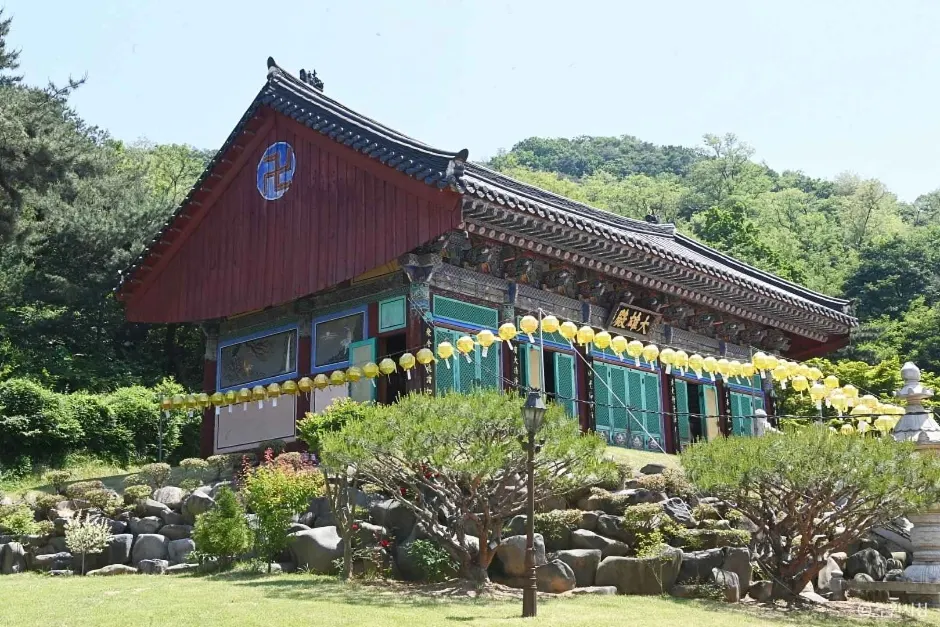
Tucked away in the verdant embrace of Suwon, Gyeonggi-do, lies Banyasa Temple, a Buddhist sanctuary that whispers tales of centuries past. While Suwon is often celebrated for its grand Hwaseong Fortress, Banyasa offers a different kind of historical immersion—one of quiet reverence and natural beauty. This mid-scale temple, cradled by an old-growth forest, invites visitors to step away from the bustling city and into a realm of serene contemplation, a stark contrast to the area's more prominent attractions.
A Storied Past Amidst Ancient Trees

Banyasa Temple's roots delve deep into Korean Buddhist tradition, its history echoing through the ages. Like many smaller temples nestled in Korean mountainsides, Banyasa has weathered the storms of dynastic changes and periods of conflict, including the Japanese colonial era.
The structures that stand today, primarily reflecting reconstruction patterns from the Joseon Dynasty, bear witness to this resilience. The main hall, smaller prayer rooms, and the monks' living quarters (yosa) are arranged thoughtfully within the temple grounds, each element contributing to the overall sense of peace.
The surrounding old-growth forest is not merely a backdrop but an integral part of Banyasa's spiritual ambiance. Towering trees, some centuries old, create a natural canopy that filters sunlight and muffles the sounds of the outside world.
This verdant setting enhances the contemplative nature of the temple, offering a sense of seclusion and tranquility that is increasingly rare in urban environments. Visiting Banyasa is an opportunity to connect with a quieter, more introspective side of Korean history and spirituality.
What Makes Banyasa a Unique Retreat?

Unlike the grand, sprawling complexes of major Buddhist sites, Banyasa Suwon is characterized by its intimate scale and serene atmosphere. The temple grounds are compact yet possess a profound sense of sacredness, fostered by the natural environment and the quiet devotion practiced within its walls.
This makes it an ideal destination for those seeking a peaceful interlude, a place to reflect and recharge away from the typical tourist trails.
The temple's location offers a distinct experience compared to the more frequented historical sites in Suwon, such as the UNESCO World Heritage-listed Hwaseong Fortress. While the fortress draws crowds with its impressive architecture and historical narratives, Banyasa provides a contrasting experience of quietude and natural immersion.
It serves as a perfect counterpoint for travelers wishing to balance historical exploration with moments of personal reflection and connection with nature.
Experiencing Tranquility at Banyasa

A visit to Banyasa is primarily about embracing its peaceful ambiance. The main hall, typically housing a Buddha statue, serves as the central point of worship and contemplation. Visitors can walk the grounds, observing the architectural details of the Joseon-era reconstruction and appreciating the harmony between the man-made structures and the natural surroundings. The quietude allows for a deep appreciation of the temple's spiritual significance.
For those interested in Buddhist practices, the temple offers a glimpse into the daily life and spiritual routines of monks, though access to certain areas may be restricted. The serene environment encourages personal meditation or simply a quiet moment of respite.
It’s a place where the rustling leaves and the distant calls of birds become the soundtrack to your thoughts, fostering a sense of inner calm.
Tips for Your Visit to Banyasa

Banyasa Temple is best visited as a contemplative stop rather than a primary destination, especially if you are exploring the wider Suwon area. Its quiet nature means it may not offer the extensive facilities or guided tours found at larger temples. Therefore, managing expectations and approaching the visit with a desire for peace and reflection is key to fully appreciating what Banyasa has to offer.
Consider pairing your visit to Banyasa with other attractions in Suwon. Its location makes it a convenient addition to an itinerary that includes Hwaseong Fortress and its surrounding parks, or other cultural sites in the Gyeonggi-do region.
Allow ample time to soak in the atmosphere, perhaps bringing a book or simply enjoying the stillness. Respectful attire and a quiet demeanor are appropriate for this sacred space.

Where is Banyasa Temple located?
Banyasa Temple is situated in Suwon, Gyeonggi-do, South Korea, nestled within a forested area.
What are the main attractions at Banyasa Temple?
The temple features a main hall, side prayer halls, monks' quarters, and is surrounded by beautiful old-growth forest, offering a tranquil atmosphere.
Is there an admission fee for Banyasa Temple?
Typically, admission to smaller Buddhist temples like Banyasa is free, but it's advisable to check for any specific charges.
What are good places to visit near Banyasa Temple?
Nearby attractions include Suwon Hwaseong Fortress, Hwaseong Haenggung Palace, and various parks within the Suwon area.
How can I get to Banyasa Temple and what is the best way to experience it?
Public transport to Suwon is available, and from there, local buses or taxis can reach the temple. Best experienced through quiet observation and reflection.