Wellness
"A Temple of Healing Waters in Jeju?"... Yakcheonsa Temple, a Serene Escape
Discover Yakcheonsa Temple, a Buddhist sanctuary on Jeju Island famed for its healing waters and stunning architecture.
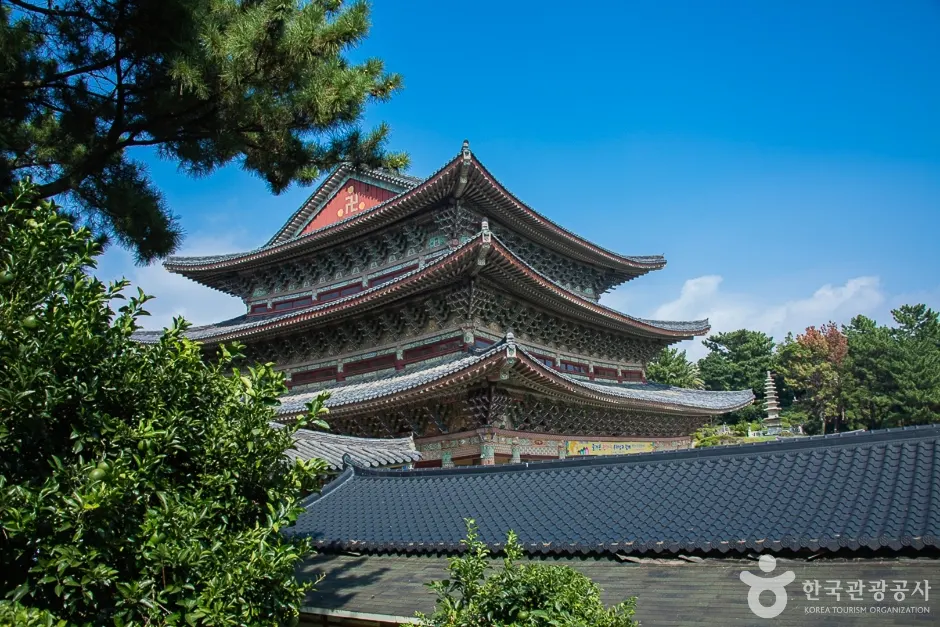
Nestled on the southern coast of Jeju Island, Yakcheonsa Temple offers a tranquil retreat from the everyday hustle. This Buddhist sanctuary is renowned not only for its architectural splendor but also for the legendary healing properties of its pure spring water. Visitors often describe a profound sense of peace upon entering its grounds, making it a destination for spiritual renewal and quiet contemplation. Explore a place where nature's beauty meets spiritual serenity.
The Grandeur of Yakcheonsa

Yakcheonsa Temple, established in 1976, is one of Jeju's largest Buddhist temples, a testament to modern Korean temple architecture. Its imposing main hall, Daeungjeon, stands as a central feature, drawing the eye with its intricate design and vibrant colors.
The temple complex sprawls across a considerable area, allowing for a leisurely exploration of its various structures and serene gardens. The sheer scale of the temple is impressive, yet it maintains an atmosphere of peace and reverence.
The architecture itself is a blend of traditional Korean Buddhist styles with unique regional influences. Notice the detailed carvings and paintings adorning the buildings, each telling a story or depicting Buddhist deities. The main hall houses a magnificent triad of Buddha statues, radiating a sense of calm power.
Surrounding the Daeungjeon are other important buildings, including a picturesque five-story pagoda that adds to the visual harmony of the complex. The thoughtful design creates a space that is both awe-inspiring and inviting.
What Makes Yakcheonsa Special?

The most distinctive feature of Yakcheonsa Temple is its legendary spring water, known as Yakcheon (healing water). For centuries, this spring has been believed to possess curative properties, attracting pilgrims seeking relief from ailments. The water is accessible to visitors, offering a unique opportunity to partake in this ancient tradition.
Many visitors collect the water or drink it on-site, hoping to benefit from its reputed healing powers. This natural resource is central to the temple's identity and its spiritual significance.
Beyond the famed spring, the temple's location offers breathtaking natural beauty. Perched on a hill overlooking the azure waters of the southern sea, Yakcheonsa provides panoramic views that enhance the sense of tranquility.
The air is often fresh, carrying the scent of the nearby ocean and the temple's meticulously maintained gardens. The combination of spiritual ambiance and the stunning coastal scenery creates a unique restorative experience for all who visit.
Experiencing Yakcheonsa Temple

A visit to Yakcheonsa Temple is an opportunity for quiet reflection and appreciation of Buddhist culture. Begin your exploration at the main entrance, and slowly make your way through the complex. Take time to admire the intricate details of the temple's structures, from the roof eaves to the painted murals.
Spend a moment at the main hall, observing the serene Buddha statues and feeling the peaceful energy of the space. This is a place to slow down and absorb the spiritual atmosphere.
Don't miss the chance to experience the Yakcheon spring. You can find the spring source within the temple grounds, where clear, cool water flows. Many visitors bring empty bottles to fill, while others simply pause for a refreshing drink.
The act of collecting or drinking the water is often seen as a ritual, connecting visitors to the temple's history and its purported healing energies. It's a simple yet profound interaction with the essence of Yakcheonsa.
Tips for Your Visit

Yakcheonsa Temple is accessible year-round, with opening hours typically from early morning until around sunset. While there is no admission fee, donations are always appreciated to support the temple's upkeep. It's advisable to dress respectfully, covering shoulders and knees, as it is an active place of worship. Comfortable walking shoes are recommended as the temple grounds are quite extensive.
Consider visiting during a weekday or outside of peak holiday seasons to experience the temple with fewer crowds. This will allow for a more immersive and peaceful visit. The surrounding area offers beautiful coastal scenery, so you might want to combine your temple visit with a stroll along the nearby beaches or a drive along the scenic coastal roads.

Where is Yakcheonsa Temple located?
It is located in Seogwipo, on the southern coast of Jeju Island, South Korea.
What are the main attractions at Yakcheonsa?
The main attractions include the Daeungjeon (main hall), the five-story pagoda, and the sacred Yakcheon spring water.
Is there an admission fee?
No, admission to Yakcheonsa Temple is free, though donations are welcome.
What are nearby attractions?
Nearby attractions include Jeongbang Waterfall, Cheonjiyeon Waterfall, and the southern coastline.
How can I get there?
It is accessible by public bus from Jeju City or Seogwipo, or by taxi. Renting a car is also a convenient option.