Seasonal
"A Temple Hidden in the Pines?"... Yeongdong Banyasa, A Quiet Mountain Sanctuary
Discover Banyasa Temple in Yeongdong, a serene Buddhist sanctuary nestled in an old-growth forest, offering a peaceful escape and a glimpse into Korean Buddhist history.
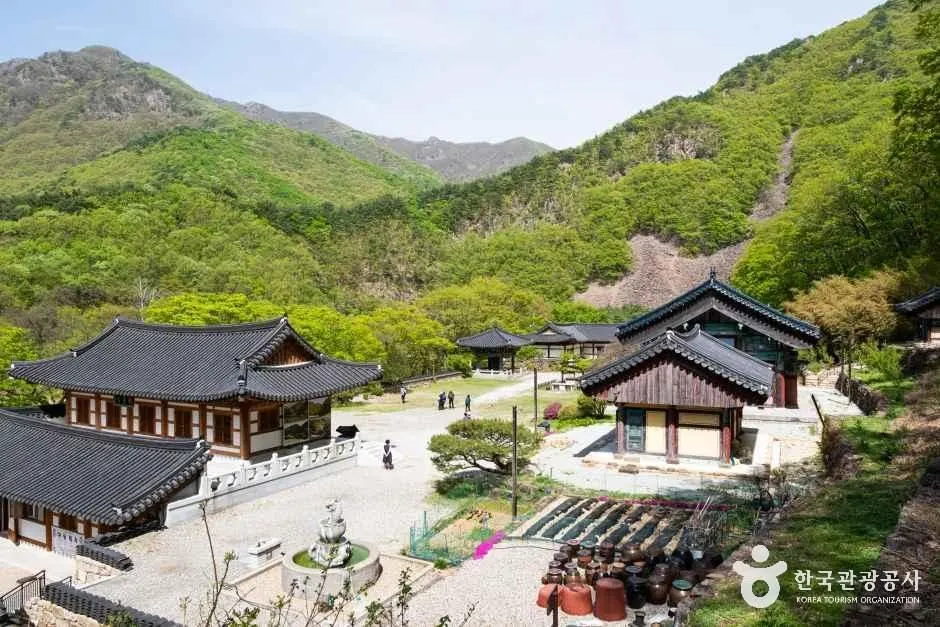
Deep within the verdant embrace of Yeongdong-gun, Chungcheongbuk-do, lies Banyasa, a Buddhist temple whispering tales of centuries past. Unlike the grand, bustling temples that often draw crowds, Banyasa offers a more intimate encounter with Korean Buddhist heritage. This mid-scale sanctuary, surrounded by a majestic old-growth forest, invites contemplation and a quiet appreciation of nature's artistry and spiritual tranquility. It stands as a testament to resilience, having weathered historical storms to continue its peaceful existence.
Banyasa's Enduring Spirit Through the Ages

Banyasa's story is etched in the very stones and timbers of its structures, reflecting a history of resilience common to many smaller Korean mountain temples. Its existence spans dynasties, surviving periods of turmoil and transformation, including the Japanese colonial era.
The current halls, while bearing the marks of time, largely showcase reconstruction patterns from the Joseon Dynasty, a period that saw significant rebuilding and expansion of Buddhist sites across Korea.
The temple's compound, though not vast, is thoughtfully arranged. It includes the main Dharma Hall (Beopdang), where sacred rituals are performed, alongside supplementary prayer halls and the monks' quarters (Yosa).
These structures are harmoniously integrated into the natural landscape, creating a sense of secluded devotion. The surrounding old-growth forest acts as a natural guardian, its ancient pines and verdant foliage providing a serene and almost sacred atmosphere.
What Makes Banyasa a Unique Retreat?

The allure of Banyasa lies not in its scale but in its profound sense of peace and its deep connection to the natural world. The journey to the temple itself is part of the experience.
A short, tranquil walk through a dense forest path ushers visitors into the temple grounds, allowing for a gradual immersion into its contemplative ambiance. This approach, winding through ancient trees, prepares the mind for the serenity that awaits.
Unlike larger, more commercialized temples, Banyasa retains an authentic, unhurried atmosphere. It's a place where the rustling leaves and the distant calls of birds replace the usual sounds of tourist activity.
This quietude makes it an ideal destination for those seeking a spiritual respite or a moment of mindful reflection away from the clamor of daily life. It is best appreciated as a contemplative stop rather than a major tourist attraction.
Experiencing the Serenity of Banyasa

Visiting Banyasa is an invitation to slow down and reconnect with oneself and nature. The primary experience here is one of quiet contemplation.
You can wander through the temple grounds, observing the architectural details of the main hall and the smaller prayer spaces, each imbued with a sense of history and devotion. The surrounding forest offers opportunities for gentle walks, allowing the sounds and sights of nature to restore the spirit.
While Banyasa may not have a long list of specific tourist activities, its value lies in its atmosphere. Take time to sit in the temple courtyard, breathe in the crisp mountain air, and appreciate the ancient trees that stand sentinel.
For those interested in Buddhist traditions, observing the temple's layout and imagining the centuries of practice that have taken place here can be a deeply rewarding experience. It's a place to simply be, rather than to do.
Tips for Your Visit to Banyasa

Banyasa is located in Yeongdong-gun, Chungcheongbuk-do. While it doesn't have a specific street address that's easily searchable via standard GPS, looking for signs for Banyasa within the mountainous region should guide you. The approach involves a short, scenic walk through a wooded area, so comfortable footwear is recommended. The temple is generally open during daylight hours, though specific opening times are not typically posted.
Consider combining your visit to Banyasa with other attractions in the wider Yeongdong area, known for its wineries and natural landscapes. The temple is best suited for travelers seeking a peaceful, reflective experience rather than a packed itinerary of sights. Remember that this is an active place of worship; respectful attire and a quiet demeanor are appreciated by the monks and any resident devotees.

Where is Banyasa Temple located?
Banyasa is situated in Yeongdong-gun, Chungcheongbuk-do, South Korea, within a forested mountain area.
What are the main attractions at Banyasa?
The temple features a main Dharma Hall, smaller prayer halls, monks' quarters, and is surrounded by a beautiful old-growth forest.
Is there an admission fee?
Admission to Banyasa Temple is typically free, as is common for many smaller Korean temples.
What are nearby places to visit?
Consider exploring Yeongdong's wineries, natural parks, or other smaller temples in the region.
How can I get there and what should I expect?
Access involves a short walk through a forest. It's best visited during daylight for a quiet, contemplative experience.