Seasonal
"A Thousand-Year-Old Temple Hidden in the Mountains?"... Pohang Bogyeongsa Temple, a Springtime Sanctuary
Discover Bogyeongsa Temple, a historic Buddhist sanctuary in Pohang. Experience its ancient architecture, serene forest setting, and rich cultural heritage.
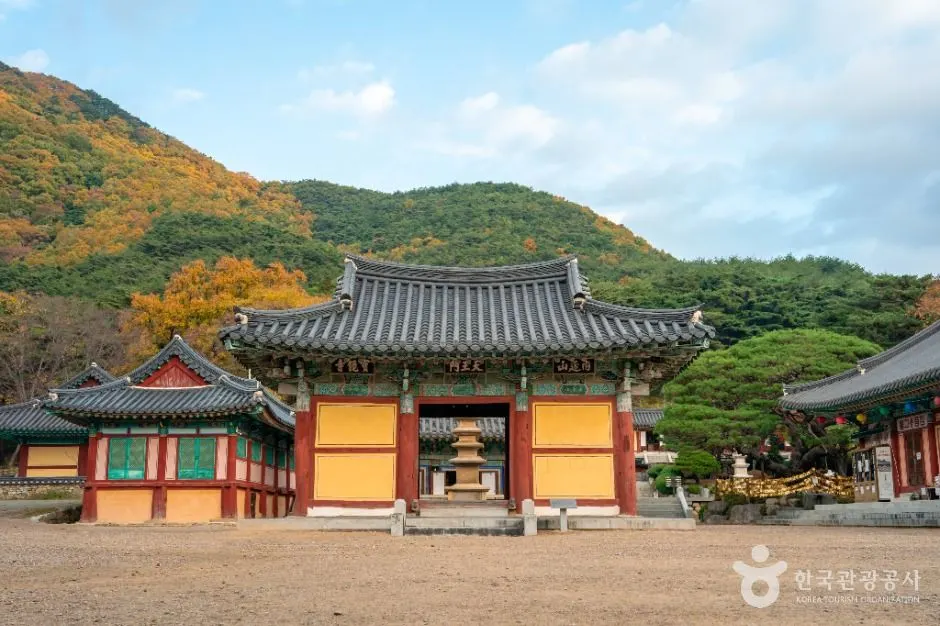
As spring unfurls its vibrant tapestry across the Korean peninsula, certain destinations beckon with a promise of tranquility and timeless beauty. Bogyeongsa Temple, nestled deep within the verdant embrace of Pohang's hills, stands as one such sanctuary. This historic site, rumored to have been founded over a millennium ago, offers a profound glimpse into Korea's rich Buddhist heritage, far from the bustling crowds of more frequented temples. Its serene atmosphere and natural splendor make it an ideal springtime retreat for those seeking peace and cultural immersion.

The Enduring Allure of Bogyeongsa Temple
Bogyeongsa Temple, a name whispered among those who seek solace and historical depth, carries an aura of ancient wisdom. Legend traces its origins to the Unified Silla period, though its exact founding date is shrouded in the mists of time, with many traditions pointing to its establishment around 900 AD.
This long history has endowed the temple with a palpable sense of continuity, a feeling that generations of monks have walked these very grounds, seeking enlightenment amidst the whispering pines and flowing streams. The temple's name itself, meaning 'Vast Enlightenment Temple,' hints at its profound spiritual purpose.
The architectural landscape of Bogyeongsa is a testament to the enduring spirit of Korean temple design. While the original structures have, like many ancient buildings, weathered the passage of centuries and undergone reconstructions, the current buildings largely reflect the architectural styles of the Joseon Dynasty.
Visitors can observe the characteristic elegance of traditional Korean Buddhist architecture, with its harmonious integration into the natural surroundings. The main hall, Daeungjeon, though modest, exudes a quiet dignity, housing intricate Buddhist art that speaks of devotion and skilled craftsmanship.
What truly sets Bogyeongsa apart is its profound connection to nature. Unlike temples situated in urban centers, Bogyeongsa is enveloped by the natural beauty of the Gayasan National Park. The journey to the temple itself is often a prelude to the serenity that awaits, winding through lush forests and alongside babbling brooks.
This integration with the natural world is not merely aesthetic; it is deeply rooted in Buddhist philosophy, which often emphasizes the interconnectedness of all things and the contemplative power of the natural environment. The temple grounds are a living embodiment of this principle, offering a tranquil space for reflection.
A Symphony of Nature and Spirituality
The spiritual heart of Bogyeongsa beats in rhythm with the surrounding landscape. The temple complex is not just a collection of buildings but an ecosystem designed to foster introspection and peace.
Walking through its grounds, one encounters numerous smaller shrines, ancient pagodas, and tranquil courtyards, each contributing to the overall sense of sacredness. The air is often filled with the gentle sounds of chanting, the rustling of leaves, and the distant murmur of streams, creating a natural soundscape conducive to meditation.
A particular point of natural beauty is the stream that flows near the temple, often referred to as the 'Eight Great Sceneries of Bogyeongsa.' These designated spots highlight the temple's most picturesque locations, including waterfalls, rock formations, and ancient trees, each offering a unique vista and a moment for quiet contemplation.
The visual harmony between the man-made structures and the wild beauty of the mountains is striking. This deliberate placement and integration reflect a deep understanding of how environment can influence the spiritual journey.
Exploring Bogyeongsa's Treasures
Visitors arriving at Bogyeongsa are greeted by a sense of timelessness. The main approach path winds gently upwards, flanked by towering trees that filter the sunlight, creating a dappled, serene ambiance. As one ascends, the first glimpses of the temple's traditional architecture emerge, hinting at the treasures within.
The Daeungjeon, the main hall, stands proudly, showcasing the classic beauty of Korean Buddhist temples. Inside, visitors may find intricate Buddhist paintings and statues, offering insights into the iconographic traditions of Korean Buddhism.
Beyond the primary halls, Bogyeongsa holds several cultural assets of significant value. The Bogyeongsa Stone Pagoda, a designated Treasure of North Gyeongsang Province, is a notable example of Silla-era pagoda architecture, standing as a silent witness to centuries of history.
The temple also houses a collection of Buddhist scriptures and artifacts, though access may vary. Exploring these elements allows for a deeper appreciation of the temple's historical and artistic importance, connecting visitors to the generations who have preserved these treasures.
For those interested in experiencing the monastic way of life, even in a limited capacity, Bogyeongsa offers opportunities for quiet reflection. The temple's tranquil courtyards and surrounding forest paths are ideal for walking meditation or simply soaking in the peaceful atmosphere.
While formal temple stay programs might not be readily available or widely advertised, the inherent serenity of the place encourages a personal retreat, allowing visitors to disconnect from the outside world and reconnect with themselves.
Planning Your Visit to Bogyeongsa
Bogyeongsa Temple is located in Pohang, North Gyeongsang Province, making it a viable destination for those exploring the southeastern region of Korea. While it is accessible by public transportation, the journey can be somewhat lengthy, often involving bus transfers.
Renting a car or utilizing taxi services for the final leg of the journey can offer a more convenient option, especially for those with limited time or who prefer direct access. Checking local bus schedules in advance is advisable for those relying on public transport.
The best times to visit Bogyeongsa are during the spring and autumn months. Spring brings a flush of green to the surrounding mountains and blossoms to the temple grounds, creating a picturesque scene. Autumn, with its vibrant foliage, offers a different kind of breathtaking beauty, painting the landscape in hues of red, orange, and gold.
While the temple is open year-round, these seasons provide the most aesthetically pleasing and comfortable conditions for exploration. There is typically no admission fee to enter the temple grounds, though donations are always appreciated.
When visiting, it is important to remember that Bogyeongsa is an active place of worship. Visitors are expected to maintain a respectful demeanor, speaking softly and refraining from disruptive behavior. Dress modestly, out of respect for the religious nature of the site.
Taking photographs is generally permitted in outdoor areas, but it is courteous to be mindful of monks and worshippers who may be engaged in prayer or meditation. Embracing the tranquility and respecting the sanctity of the temple will enhance your experience.
Where is Bogyeongsa Temple located?
Bogyeongsa is located in Pohang, North Gyeongsang Province, within the Gayasan National Park area.
What are the main attractions within Bogyeongsa?
Key attractions include the Daeungjeon main hall, the Bogyeongsa Stone Pagoda, and the temple's serene forest setting with its 'Eight Great Sceneries'.
Is there an admission fee for Bogyeongsa Temple?
Typically, there is no admission fee to enter the temple grounds, but donations are welcome.
What are good places to visit near Bogyeongsa?
Nearby attractions include the scenic trails of Gayasan National Park and other local temples or natural sites in the Pohang area.
How can I get to Bogyeongsa Temple?
It can be reached via public bus from Pohang, often requiring transfers, or by car/taxi for more direct access.