Seasonal
Gwangyang Maehwa Village Visitor Guide — Plum Blossoms, Spring & Directions
Discover Gwangyang Maehwa Village, where 100,000 plum trees create a breathtaking spectacle of white and pink each spring. Explore this famed blossom destination.
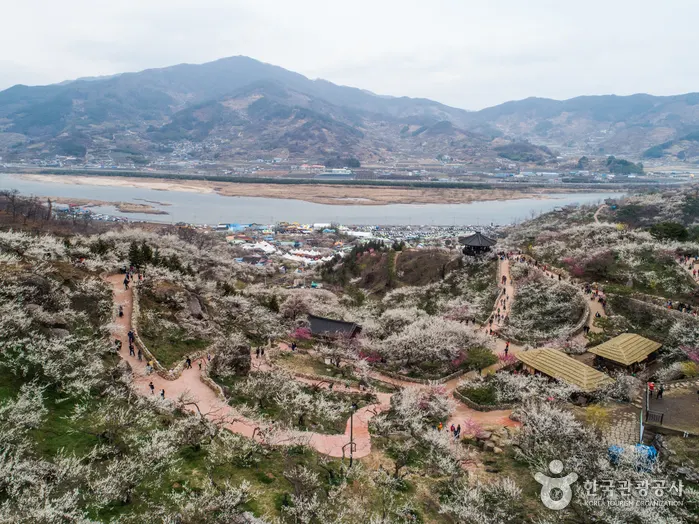
Following the Seomjingang River flowing down the outskirts of Jirisan Mountain is a village filled with plum trees. This village, Seomjin Village, is also known as the Maehwa (plum) Village for its abundant number of plum trees. Instead of crops and grains, plum trees are cultivated on farmlands, boasting white snow-like blossoms in March and bearing ripe plums in June. The annual Plum Blossom Festival takes place in the village every March when the plum blossoms are in full bloom.
Why Gwangyang Maehwa Village matters
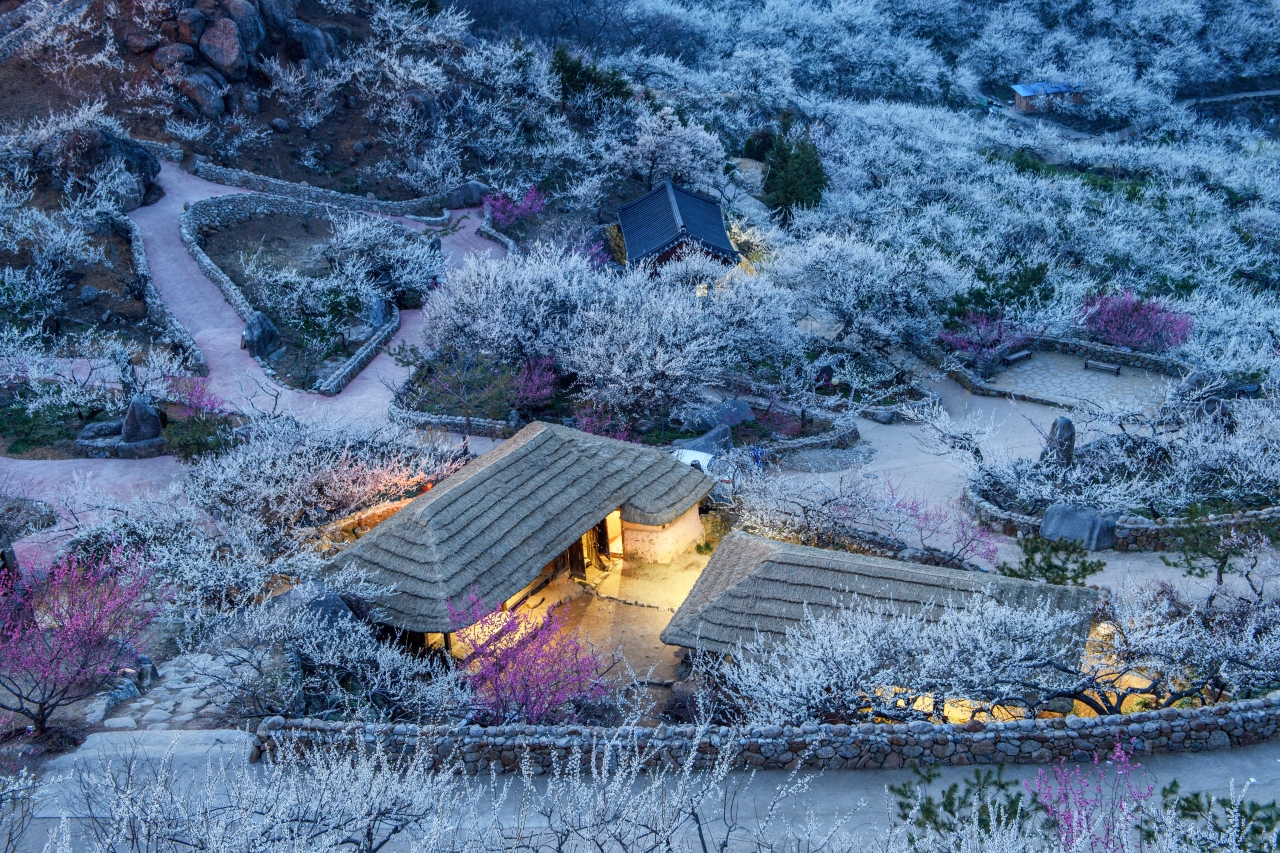

These trees, meticulously cultivated, transform the landscape into a vision of soft white and pink hues during their peak blooming period.
The two-week window, typically from mid- to late March, is when the village truly earns its reputation. The sheer density of blossoms creates an ethereal atmosphere, making the entire valley appear to be covered in a delicate, fragrant snow.
The village's primary draw is undoubtedly the spectacle of its plum blossoms, but the annual Maehwa Festival elevates the experience significantly. This festival, timed precisely with the peak bloom, transforms the usually quiet village into a lively hub of activity. It's a celebration of the local plum harvest and culture, offering a unique glimpse into rural Korean life during this beautiful season.
Embracing the local flavors is an essential part of the Gwangyang Maehwa Village experience. Beyond the plum products, the festival offers a chance to sample regional cuisine from various food stalls.
Official visitor information
Official address: 1563-1 Seomjingangmaehwa-ro, Gwangyang-si, Jeonnam-Gwangju Special Metropolitan City.
Official visiting hours: Open 24 hours.
No fixed closure day is listed in the current official record.
Parking: Available.
Official information contact: +82-61-772-9494.
How to use this guide
Use the official information above as the planning baseline. Opening arrangements, programs, admission conditions, and access rules can change after this review. Follow the official source links before traveling, especially when your visit depends on a particular exhibition, performance, seasonal activity, or facility.
The remaining recommendations on this page are editorial guidance for understanding the setting and organizing a visit. They are not a substitute for instructions issued by the venue, local government, cultural-property authority, or transport operator.
Responsible visit checklist
Before leaving
- Open the official venue page and confirm the latest operating notice.
- Check weather and transport conditions on the day of travel.
- Respect residential, religious, ecological, and cultural-property rules where applicable.
- Allow flexibility rather than relying on an exact minute-by-minute schedule.
- Use the official information contact when accessibility or reservation details are essential.
Where is Gwangyang Maehwa Village?
1563-1 Seomjingangmaehwa-ro, Gwangyang-si, Jeonnam-Gwangju Special Metropolitan City
Where should I confirm current hours and closures?
Use the official source links in the reviewed-for-accuracy panel on this page.
When was this information checked?
The reviewed-for-accuracy panel shows the latest human review date and source record.