Seasonal
"A Glimpse into Joseon Scholarship?"... Deokcheon Seowon, Geochang's Confucian Legacy
Explore Deokcheon Seowon, a preserved Joseon-era Confucian academy in Geochang. Discover its architecture, scholarly history, and tranquil surroundings.
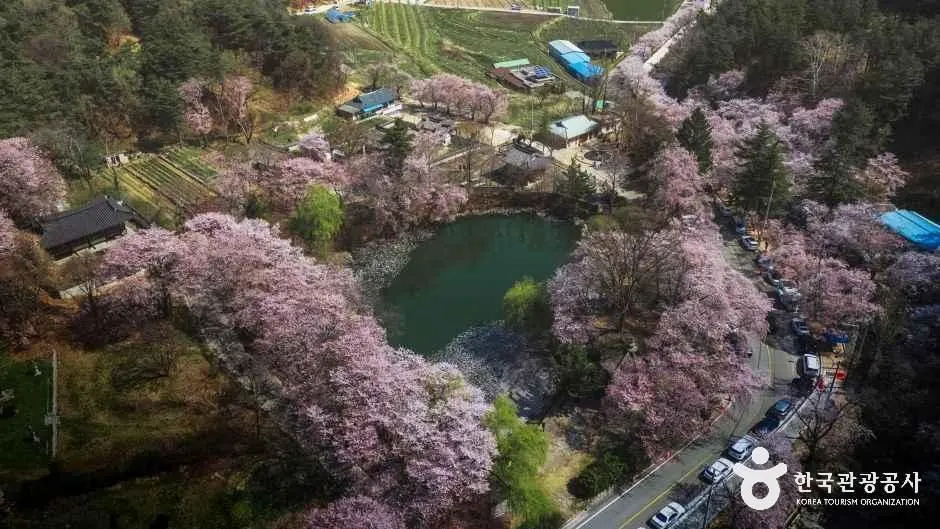
Nestled amidst the verdant embrace of Geochang County lies Deokcheon Seowon (덕천서원), a silent testament to Korea's rich intellectual past. This Joseon Dynasty Confucian academy, established centuries ago, offers a profound journey into the heart of Neo-Confucian scholarship and traditional Korean architecture. Stepping onto its grounds is like stepping back in time, inviting contemplation of the scholars who once walked these paths.
The Enduring Charm of Deokcheon Seowon

Deokcheon Seowon stands as a significant cultural heritage site, meticulously preserving the essence of a Joseon-era Confucian academy. Its establishment marked a pivotal moment in the region's commitment to Neo-Confucian education, fostering a vibrant intellectual environment that shaped the minds of many scholars. The academy's design and layout reflect the deep respect for learning and the structured approach to academic pursuit that characterized the era.
The architectural integrity of Deokcheon Seowon is remarkable. Traditional wooden structures, built with the craftsmanship of a bygone era, still stand proudly, showcasing the aesthetic principles and engineering skills of Joseon builders.
The main lecture halls, study rooms, and residential quarters are arranged in a harmonious balance with the natural landscape, creating a serene atmosphere conducive to study and reflection. Walking through these spaces, one can almost feel the echoes of scholarly debates and quiet contemplation.
What Makes Deokcheon Seowon a Unique Educational Space?
At its core, Deokcheon Seowon was a dedicated center for Neo-Confucian learning, a philosophical and ethical system that deeply influenced Korean society. It served not only as a place for formal instruction but also as a hub for intellectual exchange among scholars and students.
The curriculum likely focused on classical Confucian texts, ethics, governance, and the cultivation of moral character, reflecting the ideals promoted by the Joseon government.
The layout of the seowon itself is a physical manifestation of its educational philosophy. Typically, seowons were divided into areas for study and areas for ancestral rites, symbolizing the dual importance of learning and honoring one's lineage.
The presence of lecture halls (Myeongryundang), dormitories (Dongjae and Seojae), and a shrine (Sajedang) for the revered scholars highlights the structured environment designed for holistic development. This thoughtful design ensured that students were immersed in an atmosphere that promoted both intellectual rigor and spiritual grounding.
Exploring the Serene Grounds and Structures

A visit to Deokcheon Seowon offers a tranquil escape into nature and history. The surrounding forested grounds provide a peaceful backdrop, enhancing the contemplative atmosphere of the site.
Carefully preserved traditional Korean garden elements, though perhaps subtle, contribute to the overall aesthetic harmony. These gardens were not merely decorative but often served as spaces for quiet walks and reflection, integral to the scholarly way of life.
Visitors can explore the main halls, such as the lecture hall where classes were held and discussions took place. The study rooms offer a glimpse into the private spaces where scholars would pore over ancient texts, write, and meditate.
The preservation of these areas allows for an intimate understanding of the daily routines and intellectual pursuits of Joseon-era scholars, providing a tangible connection to Korea's scholarly heritage.
Tips for Your Visit to Deokcheon Seowon
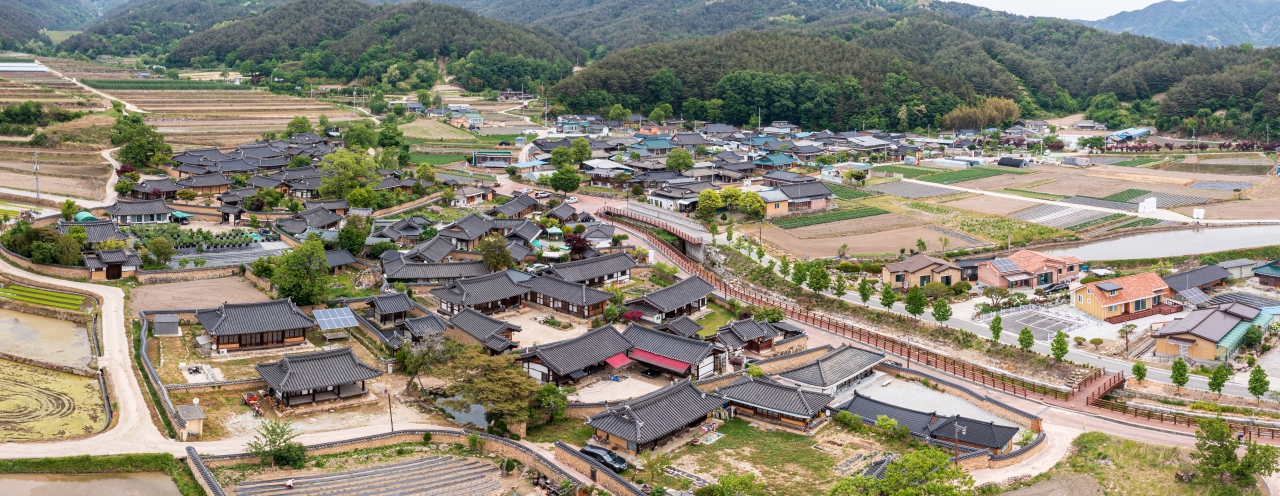
Deokcheon Seowon is best appreciated during the spring and autumn months when the natural surroundings are at their most picturesque. The gentle warmth of spring and the vibrant colors of autumn foliage offer a beautiful setting for exploring the historical site. Consider visiting on a weekday to enjoy a more serene experience, allowing for deeper immersion in the tranquil ambiance.
Wear comfortable walking shoes as you will be exploring the grounds and structures. Information about the seowon's history and significance might be limited on-site, so doing some prior research can enhance your understanding and appreciation of this important cultural landmark. Respect the historical nature of the site by refraining from loud noises and keeping the area clean.

Where is Deokcheon Seowon located?
Deokcheon Seowon is situated in Geochang County, South Gyeongsang Province, South Korea.
What are the main structures to see?
Key structures include lecture halls, study rooms, dormitories, and a shrine, showcasing traditional seowon architecture.
Is there an admission fee?
Admission is typically free, but it's advisable to check for any seasonal or event-related charges.
What are nearby attractions or pairings?
Nearby attractions may include other historical sites or natural parks within Geochang County.
How can I get there or book a tour?
Public transport to Geochang is available; local buses or taxis can reach the seowon. Tours are usually self-guided.