Seasonal
"A Thousand Years of History, A Thousand Blooming Flowers?"... Donghaksa Temple, Gongju's Springtime Gem
Discover Donghaksa Temple, a historic Buddhist site in Gongju, blooming with spring flowers and rich history. Plan your visit with these tips.
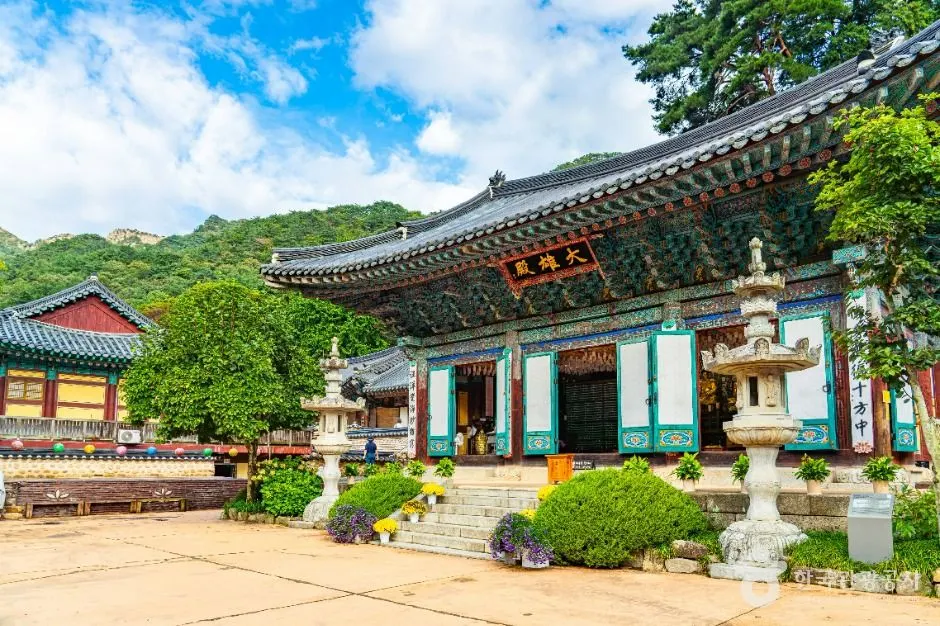
As spring unfurls its vibrant tapestry across Korea, the ancient grounds of Donghaksa Temple in Gongju awaken with a breathtaking display of color. Nestled at the foot of Gyeryongsan Mountain, this venerable institution, with roots stretching back over a millennium, transforms into a living canvas. It's a place where history whispers through rustling leaves and the air is perfumed with the delicate scent of blossoms, inviting contemplation and awe.
Donghaksa Temple's Enduring Charm
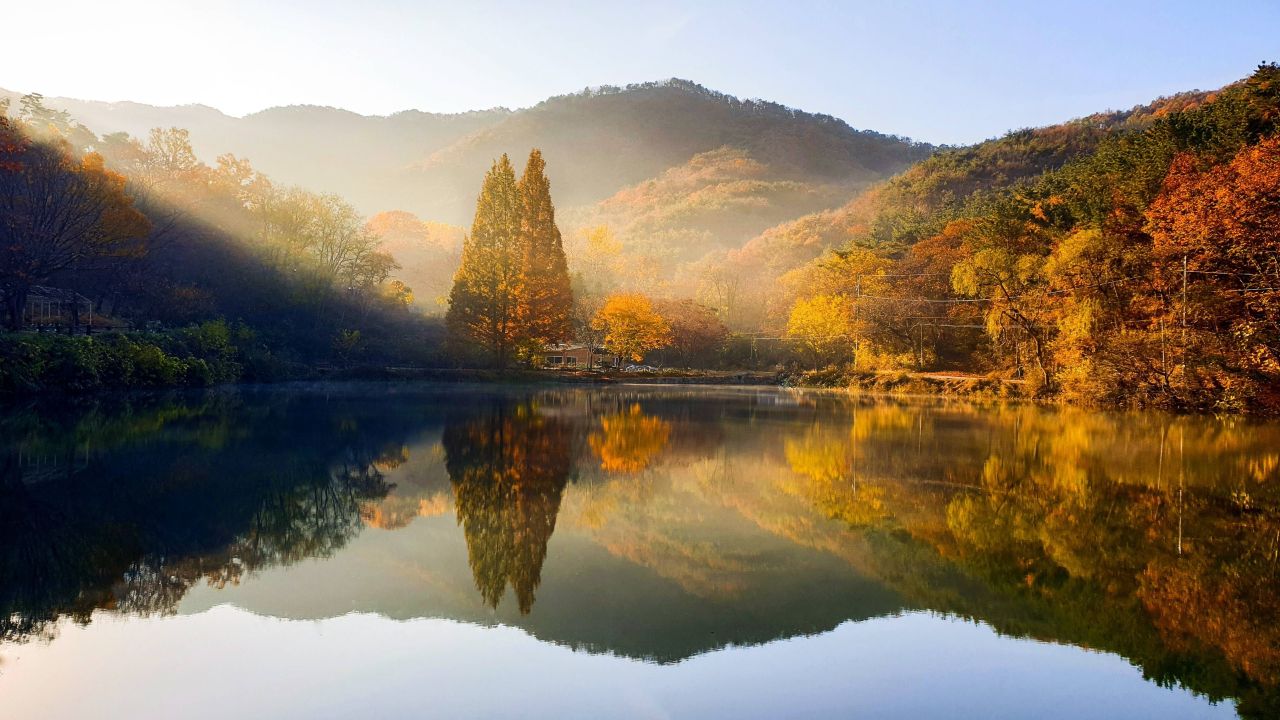
Founded in the 7th century during the Silla Kingdom, Donghaksa Temple stands as one of Korea's oldest and most significant Buddhist sanctuaries. Its name, meaning 'Temple of Eastern Learning,' reflects its historical role as a center for Buddhist scholarship and practice.
Over the centuries, it has weathered wars, political upheaval, and natural disasters, yet its spirit and architectural integrity have persevered. The temple complex itself is a testament to enduring faith, showcasing a harmonious blend of traditional Korean temple architecture with the natural beauty of its surroundings.
The temple grounds are particularly renowned for their stunning natural setting, especially during the spring season. Cherry blossoms, azaleas, and forsythias burst into bloom, creating a picturesque scene that draws visitors seeking both spiritual solace and natural beauty.
Walking along the temple paths, you'll encounter ancient trees, some said to be hundreds of years old, standing as silent witnesses to centuries of history. The gentle murmur of streams and the distant calls of birds provide a serene soundtrack to your exploration.
What Makes Donghaksa Special?

Donghaksa's unique appeal lies in its profound historical significance combined with its exquisite natural setting. It's not merely a place of worship but a living museum, preserving centuries of Korean Buddhist art, architecture, and tradition.
The temple houses several Important Cultural Properties, including the Daeungjeon (Main Hall), which features a magnificent triad of Buddha statues and intricate Dancheong (traditional Korean painted decoration). The presence of these artifacts within such a historically rich environment offers a deeply immersive cultural experience.
Beyond its architectural treasures, Donghaksa holds a special place in Korean history as a site associated with the Donghak Peasant Revolution. While the revolution itself primarily took place in other regions, the temple's name and its historical context are often linked to the broader movement for social justice and reform that swept through Korea in the late 19th century.
This adds another layer of historical depth to the visitor's experience, inviting reflection on Korea's journey toward modernity and independence.
Experiencing Donghaksa Temple

A visit to Donghaksa Temple offers a multi-faceted experience for any traveler. Begin by exploring the main temple complex, taking time to admire the architectural details of each building, from the imposing Daeungjeon to the tranquil pagodas.
The serene atmosphere encourages quiet contemplation, allowing you to connect with the spiritual essence of the place. Consider participating in a temple stay program if available, offering an opportunity for deeper immersion into Buddhist practices and monastic life.
For those visiting during the spring, the blooming flowers are an undeniable highlight. Wander through the temple grounds and surrounding trails, camera in hand, to capture the vibrant colors against the backdrop of traditional Korean architecture and the majestic Gyeryongsan Mountain.
Local eateries near the temple often serve traditional Korean temple food or local specialties, providing a delicious way to complement your cultural and spiritual exploration. Enjoying a simple, flavorful meal adds another dimension to the overall experience.
Tips for Your Visit

Donghaksa Temple is accessible throughout the year, but spring (typically April) offers the most visually stunning experience due to the abundant cherry blossoms and other flowering trees. Weekdays are generally less crowded than weekends, providing a more peaceful visit.
Remember to dress respectfully, as it is an active place of worship; avoid overly revealing clothing. Comfortable walking shoes are recommended, as you'll be exploring the temple grounds and potentially nearby mountain trails.
Admission to the temple grounds is typically free, though there might be a small environmental preservation fee for entering the Gyeryongsan National Park area, which encompasses the temple. Check the official website or local tourism information for any updates on fees or specific opening hours, especially if planning to visit during public holidays.
Consider combining your visit with other attractions in Gongju, such as the Gongsanseong Fortress or the Royal Tombs of the Joseon Dynasty, for a comprehensive historical tour.

Where is Donghaksa Temple located?
Donghaksa Temple is located at the foot of Gyeryongsan Mountain in Gongju, Chungcheongnam-do, South Korea.
What are the main attractions within Donghaksa Temple?
Key attractions include the Daeungjeon (Main Hall), various Buddha statues, ancient trees, and the beautiful natural surroundings, especially during spring.
Is there an admission fee for Donghaksa Temple?
Admission to the temple itself is usually free. A small fee may apply for entering Gyeryongsan National Park.
What other attractions are nearby?
Nearby attractions in Gongju include Gongsanseong Fortress and the Royal Tombs of the Joseon Dynasty.
How can I get to Donghaksa Temple and what should I prepare?
Public buses run from Gongju Bus Terminal. Wear comfortable shoes and dress respectfully for a place of worship.