Itinerary
"A European Castle in a Korean Port?"... Gunsan Customs House, a Colonial Echo
Explore the Former Main Building of the Gunsan Customs House, a striking example of colonial-era European architecture and a gateway to Gunsan's port history.
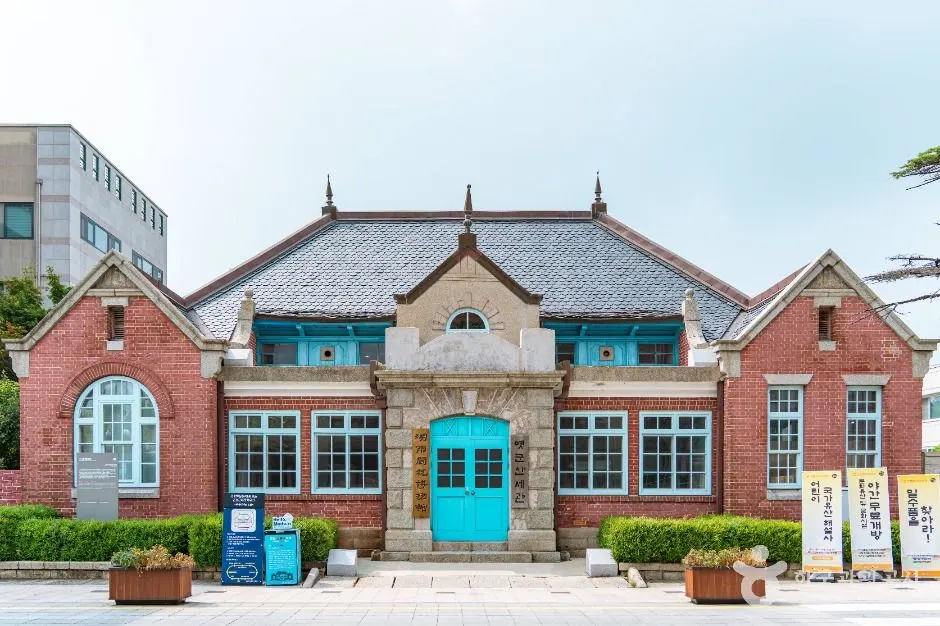
Stepping onto the grounds of the Former Main Building of the Gunsan Customs House is like stepping back in time. This red-brick edifice, with its distinctive Romanesque-inspired architecture, stands as a silent testament to Gunsan's bustling past as a major port during the Japanese colonial era. Built in the early 20th century, it's one of the best-preserved examples of European-style administrative buildings from that period in Korea. Its imposing facade hints at the economic and political significance the port once held.
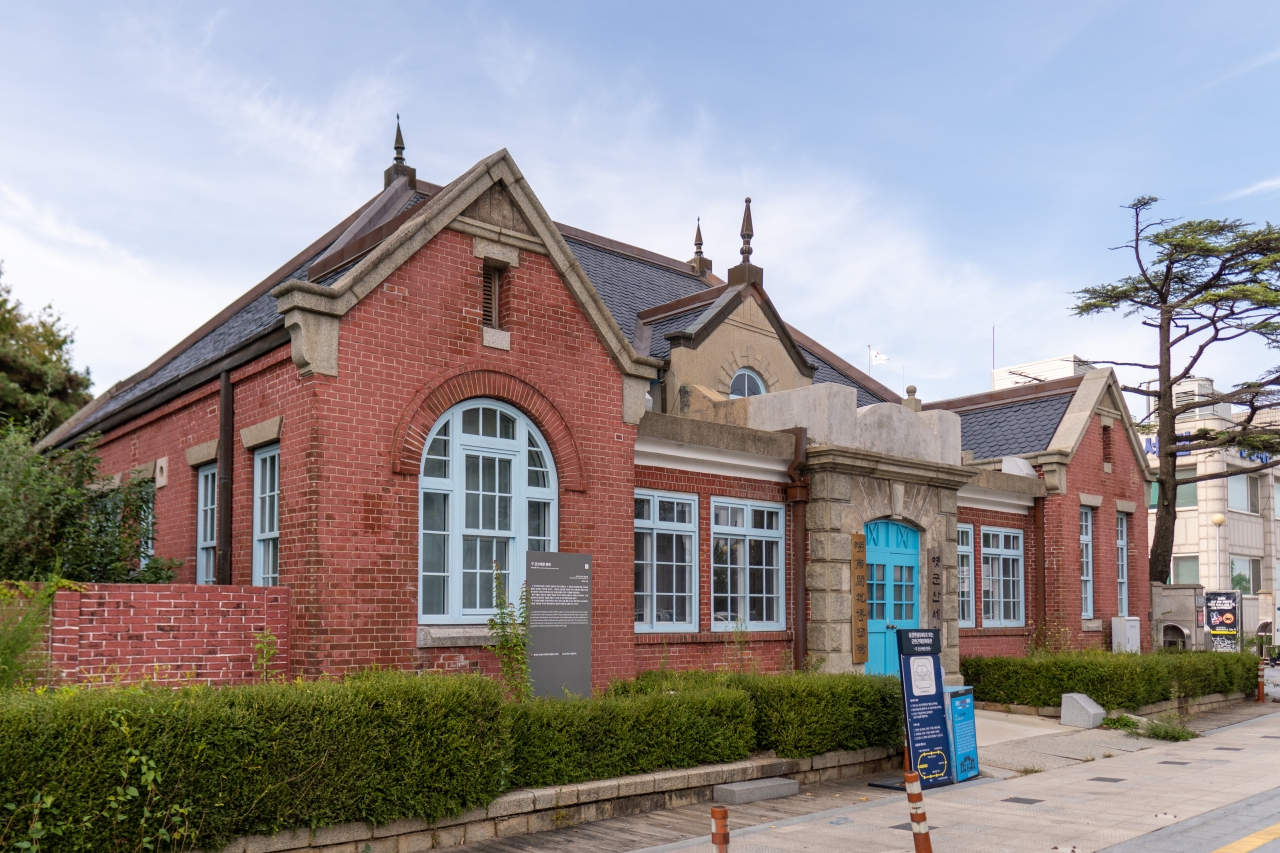
A Monument to Colonial Trade
The Former Main Building of the Gunsan Customs House, constructed in 1908, is a significant historical artifact. Its design, featuring a prominent red-brick exterior and Romanesque architectural elements like arched windows and solid stone accents, immediately transports visitors to a bygone era.
This style was often employed by colonial powers to project an image of permanence and authority. The building served as the central hub for managing the immense flow of goods and taxes that passed through Gunsan during a pivotal period of Korean history.
Gunsan's strategic location on the western coast made it an ideal choice for a major port and customs facility. Following the opening of the port in 1899, the Japanese administration heavily invested in its infrastructure to facilitate the export of agricultural products, particularly rice, and the import of manufactured goods.
The customs house was at the heart of this economic activity, symbolizing both the opportunities and the exploitation that characterized the colonial period. Its presence underscores Gunsan's transformation into a key node in the regional trade network.
Architectural Allure and Historical Significance
The building's architecture is its most immediate draw. The robust red bricks, sourced locally, give the structure a warm yet imposing presence.
The Romanesque influence is evident in the rounded arches of the windows and the solid, grounded appearance of the main facade. Unlike many contemporary structures that might have been purely functional, the design of the Gunsan Customs House clearly aimed to make a statement, blending utilitarian needs with a European aesthetic that was fashionable and internationally recognized at the time.
Its remarkable state of preservation is a significant factor contributing to its value. While many buildings from the colonial era have been lost to time or development, the Former Main Building of the Gunsan Customs House has largely retained its original form.
This allows visitors to appreciate the craftsmanship of the early 20th century and understand the architectural trends of the period. It stands as a tangible link to the administrative and economic systems that shaped Korea during those decades, offering a stark contrast to traditional Korean architecture.
Exploring Gunsan's Modern History Landscape
The Former Main Building of the Gunsan Customs House is not an isolated historical relic; it is strategically situated within Gunsan's Modern History Museum complex. This area is a treasure trove of buildings from the Japanese colonial period, including former bank branches, residences of Japanese officials, and other administrative structures.
Visiting the customs house provides a perfect starting point for a deeper exploration of this unique historical district. Walking through these streets allows you to piece together the narrative of Gunsan's past.
Engaging with these sites offers a critical perspective on Korea's modern history. While the architecture might evoke European charm, it's essential to remember the context of colonial rule and its impact on the local population and economy.
The buildings tell stories of trade, administration, and the imposition of foreign power. A guided tour or self-guided walk through this district provides a comprehensive understanding of how Gunsan evolved and the layers of history embedded within its urban fabric.
Visiting the Former Customs House: Practical Tips
The Former Main Building of the Gunsan Customs House is easily accessible within the Gunsan Modern History Museum area. It is open to the public, and admission to the building itself is typically free, as it is part of the larger museum complex.
The best way to experience it is on foot, allowing you to fully appreciate the architectural details and the surrounding historical district. Wear comfortable shoes, as you'll likely want to explore the adjacent sites.
Allow ample time to explore the entire Gunsan Modern History Museum complex. Beyond the customs house, you can visit the former Bank of Joseon, the Japanese Consulate, and other significant structures that together paint a vivid picture of the city's past.
Consider visiting during weekdays to avoid larger crowds, though the atmosphere remains relatively tranquil even on weekends. Check the museum's official website for the most current operating hours and any special exhibitions.
Where is the Former Main Building of the Gunsan Customs House located?
It is located in Gunsan, North Jeolla Province, within the Gunsan Modern History Museum complex.
What is the main attraction of this building?
Its well-preserved 20th-century European-style architecture, particularly its Romanesque-influenced red-brick facade.
Is there an admission fee?
Admission to the Former Main Building of the Gunsan Customs House is typically free as part of the museum complex.
What other historical sites are nearby?
The area includes the former Bank of Joseon, Japanese Consulate, and other colonial-era buildings within the museum complex.
How can I best experience this site?
Explore on foot as part of the Gunsan Modern History Museum complex; comfortable shoes are recommended.