Itinerary
Gunsan Gyeongam-dong Railroad Village Visitor Guide — History & Attractions
Walk along a former freight train line in Gunsan's Gyeongam-dong Railroad Village, a unique open-air museum of Korean working-class life.
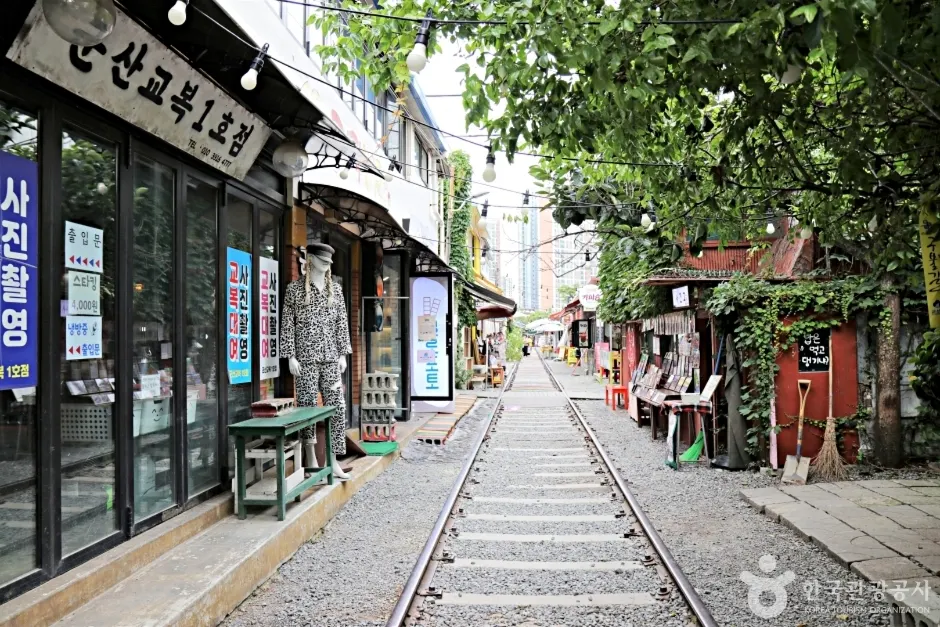
Gyeongam-dong Railway Village is a retro-themed attraction built around a 2.5-kilometer railway in Gyeongam-dong, Gunsan, originally constructed in 1944 during the Japanese occupation to transport paper materials. A residential area gradually formed along the tracks and was fully developed by the 1970s. Although trains no longer run, the railway has been preserved as a cultural tourism site. Today, the village recreates the atmosphere of the 1970s and 1980s. Old houses and shops line the tracks, and vendors sell nostalgic Korean snacks such as dalgona candy. Visitors can also rent vintage-style school uniforms for photos, making it a popular destination for those seeking a retro Korean experience.
Why Gyeongam-dong Railroad Village matters
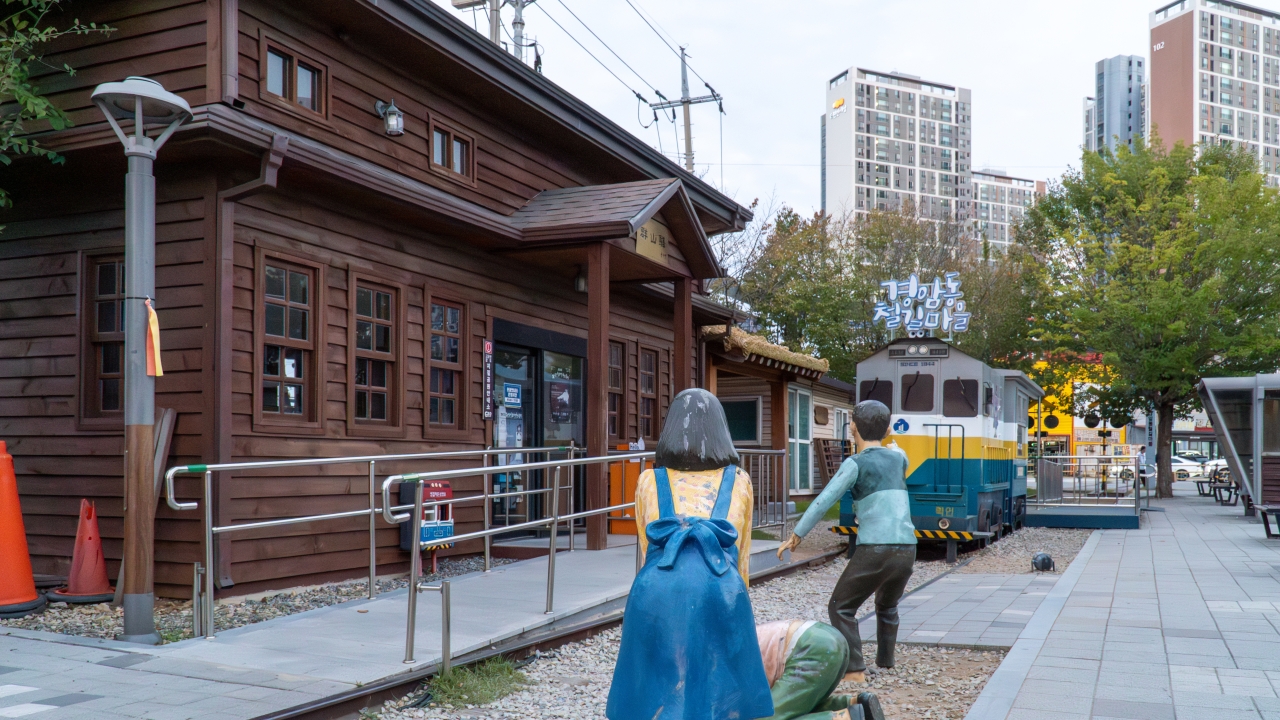
Gyeongam-dong Railroad Village, nestled in Gunsan, North Jeolla Province, is more than just a collection of old buildings; it's a tangible piece of history. The narrow gauge railway line, once a vital artery for freight transport, now serves as the village's central promenade.
The transformation from a working railway to a preserved historical site began after the line ceased operations. Instead of being dismantled, the corridor was recognized for its historical and cultural value.
Wandering through Gyeongam-dong is an immersive experience. The visual narrative unfolds as you walk along the disused tracks. Vintage storefronts, some still bearing faded signs, line the path, evoking memories of a simpler time.
A visit to Gyeongam-dong Railroad Village is primarily a journey of exploration and reflection. The main activity is simply walking the length of the preserved railway line, taking in the unique atmosphere.
Gyeongam-dong Railroad Village is best visited during daylight hours to fully appreciate the visual details and murals. Weekends can be busier, so consider a weekday visit if you prefer a quieter experience. The village is relatively compact, making it easy to explore on foot. Comfortable walking shoes are recommended, as you'll be walking along the old railway tracks.
Official visitor information
Official address: 14 Gyeongchon 4-gil, Gunsan-si, Jeonbuk-do.
Official visiting hours: Open 24 hr.
Official closure information: N/A (Open all year round).
Parking: Available (Free parking).
Official information contact: +82-63-454-3349.
How to use this guide
Use the official information above as the planning baseline. Opening arrangements, programs, admission conditions, and access rules can change after this review. Follow the official source links before traveling, especially when your visit depends on a particular exhibition, performance, seasonal activity, or facility.
The remaining recommendations on this page are editorial guidance for understanding the setting and organizing a visit. They are not a substitute for instructions issued by the venue, local government, cultural-property authority, or transport operator.
Responsible visit checklist
Before leaving
- Open the official venue page and confirm the latest operating notice.
- Check weather and transport conditions on the day of travel.
- Respect residential, religious, ecological, and cultural-property rules where applicable.
- Allow flexibility rather than relying on an exact minute-by-minute schedule.
- Use the official information contact when accessibility or reservation details are essential.
Where is Gyeongam-dong Railroad Village?
14 Gyeongchon 4-gil, Gunsan-si, Jeonbuk-do
Where should I confirm current hours and closures?
Use the official source links in the reviewed-for-accuracy panel on this page.
When was this information checked?
The reviewed-for-accuracy panel shows the latest human review date and source record.