Itinerary
"A Journey to Korea's Second-Largest Island?"... Geojedo, Gyeongsangnam-do's Coastal Gem
Explore Geojedo, Korea's second-largest island, where industrial might meets stunning national park scenery, dramatic cliffs, and unique beaches.
Geojedo, Korea's second-largest island, beckons with a dramatic blend of industrial prowess and breathtaking natural beauty. Reaching it is now a swift journey across the impressive Geoga Bridge from Busan, opening up a world of rugged coastlines, national park wonders, and unique geological formations. This island promises a captivating escape, especially during the pleasant spring and autumn months.
Geojedo's Dual Character: Industry and Nature
As Korea's second-largest island, Geojedo presents a striking contrast. The eastern coast is dominated by the immense scale of the Daewoo and Samsung shipyards, a testament to the nation's industrial might.
These sprawling complexes, with their towering cranes and vast dry docks, offer a unique, albeit industrial, perspective on the island's economic engine. It's a landscape rarely seen by tourists, providing a different kind of visual spectacle.
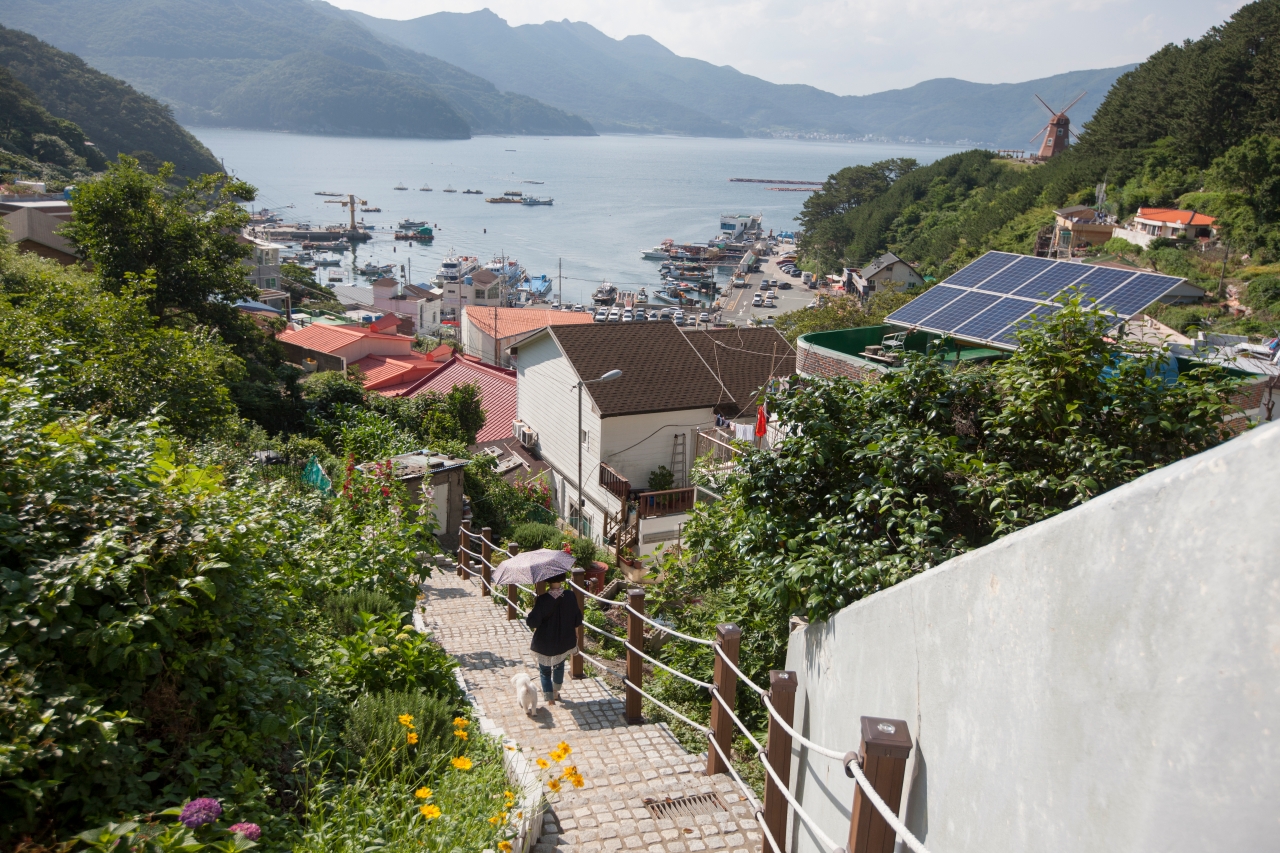
Yet, venture south and west, and the industrial facade dissolves into the serene and dramatic beauty of the Hallyeohaesang Marine National Park. Here, the landscape transforms into a painter's palette of deep blue seas, lush green hillsides, and intricately carved coastlines. The island's deeply indented shores create a series of picturesque bays and inlets, each with its own unique charm and story.
Coastal Wonders of Hallyeohaesang National Park
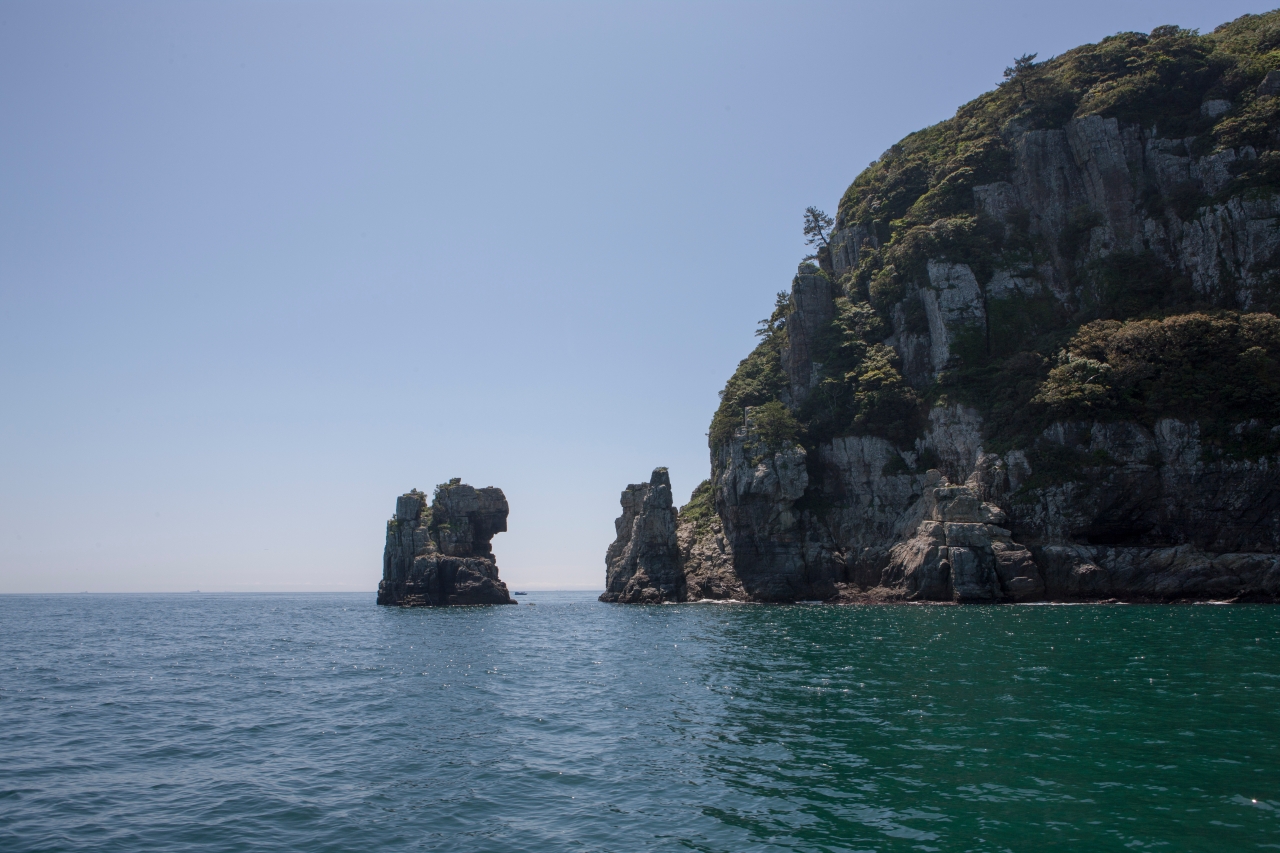
The southern and western coasts of Geojedo are where the island truly shines as a natural paradise. Hallyeohaesang Marine National Park protects this stunning stretch of coastline, renowned for its clear waters and diverse marine life. The geological formations here are particularly noteworthy, with limestone-bedded inlets creating a maze of sheltered coves and dramatic sea stacks.
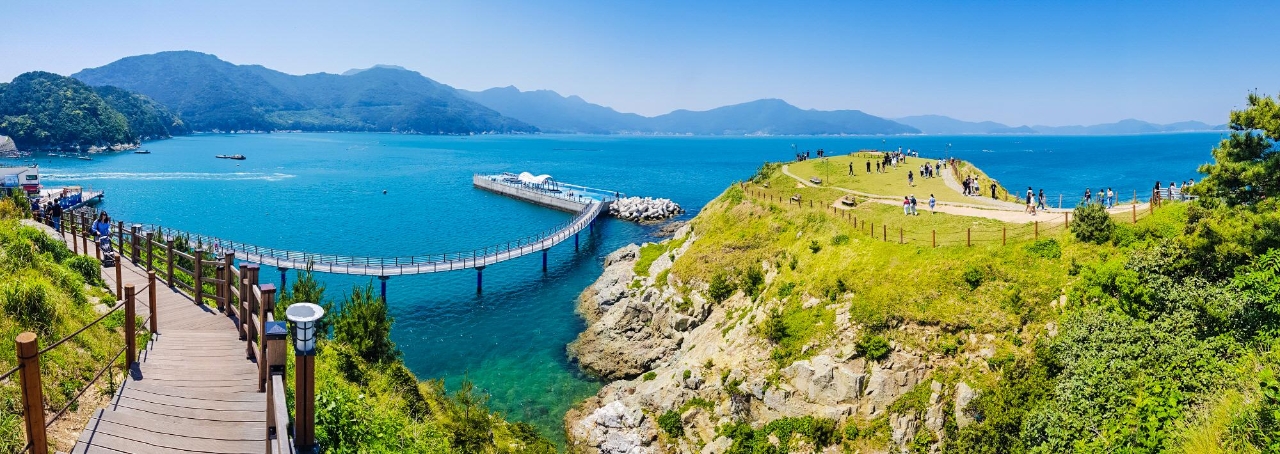
Among the park's most iconic sights is Windy Hill (Baram-eui 언덕), a picturesque spot atop a gentle slope offering panoramic ocean views. Its distinctive windmill, set against the vast expanse of the sea, has become a symbol of Geojedo's natural beauty.
Nearby, the Sinseondae rocks at Haegeumgang present a dramatic spectacle of sculpted rock formations rising from the sea, particularly captivating at sunset when the light casts a warm glow upon the ancient stones.
Unique Beaches and Island Excursions
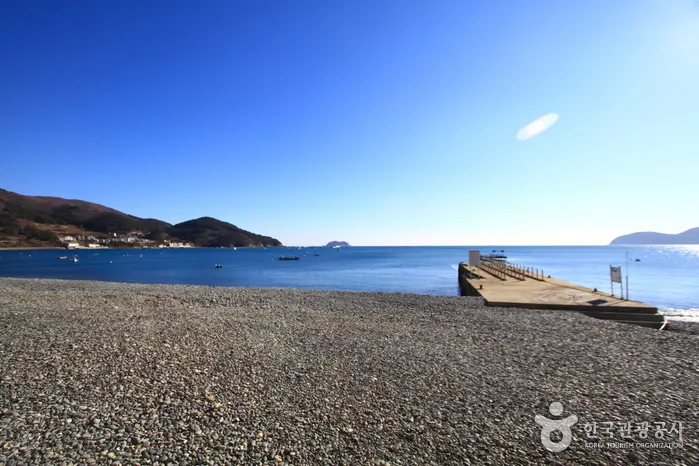
Geojedo's coastline is also home to some uniquely memorable beaches. Hakdong Mongdol Beach stands out with its characteristic smooth, multi-colored pebbles that line the shore, creating a distinct soundscape as the waves recede. Unlike sandy beaches, the smooth stones offer a different tactile experience and a visually striking panorama, especially when contrasted with the clear turquoise waters.
For those seeking a different kind of island experience, a short ferry trip from Geojedo leads to Oedo Island. This privately owned botanical garden is a marvel of landscaping, featuring exotic plants and flowers arranged in stunning displays against the backdrop of the southern sea.
It offers a tranquil, almost Mediterranean, escape and is often combined with a Geojedo itinerary for a full day of scenic exploration.
Planning Your Geojedo Road Trip
The most popular way to experience Geojedo is by car, allowing the flexibility to explore its diverse attractions at your own pace. A full day is sufficient for a highlights tour, but an overnight stay is recommended to truly soak in the island's atmosphere and explore more thoroughly. The drive itself, especially along the coastal roads, is part of the adventure, offering constantly evolving vistas.
When planning your visit, consider the seasons. Late spring and autumn are widely regarded as the best times to visit Geojedo. During these periods, the weather is typically mild and pleasant, ideal for outdoor activities like hiking and sightseeing.
The spring brings blooming wildflowers, while autumn offers vibrant foliage, adding an extra layer of beauty to the already stunning landscapes. The summer can be hot and humid, and winter can be cold, though still offering clear, crisp views.
The island's accessibility has been greatly enhanced by the Geoga Bridge, connecting it directly to Busan. This makes Geojedo a convenient destination for a day trip or a longer exploration from the major port city. Many visitors opt to drive from Busan, enjoying the scenic route over the bridge and the subsequent exploration of the island's natural and industrial wonders.
Where is Geojedo Island located?
Geojedo is located off the southern coast of Gyeongsangnam-do, South Korea, connected to the mainland by the Geoga Bridge.
What are the main natural attractions on Geojedo?
Key sites include Windy Hill, Haegeumgang's Sinseondae rocks, and Hakdong Mongdol Beach within Hallyeohaesang Marine National Park.
Is there an admission fee for Geojedo's natural sites?
Generally, natural attractions like Windy Hill and beaches are free to access. National park areas may have separate fees for specific facilities.
What can I pair with a Geojedo visit?
A popular pairing is a ferry trip to the Oedo Island botanical garden, offering a different island landscape.
How is the best way to get around Geojedo?
Renting a car is highly recommended for exploring the island's diverse attractions at your own pace.