Seasonal
"A Thousand Buddha Statues in a Single Temple?"... Gounsa Temple, Uiseong's Spiritual Heart
Discover Gounsa Temple in Uiseong, a hidden gem where thousands of Buddha statues create a breathtaking spiritual landscape. Explore its history and unique beauty.
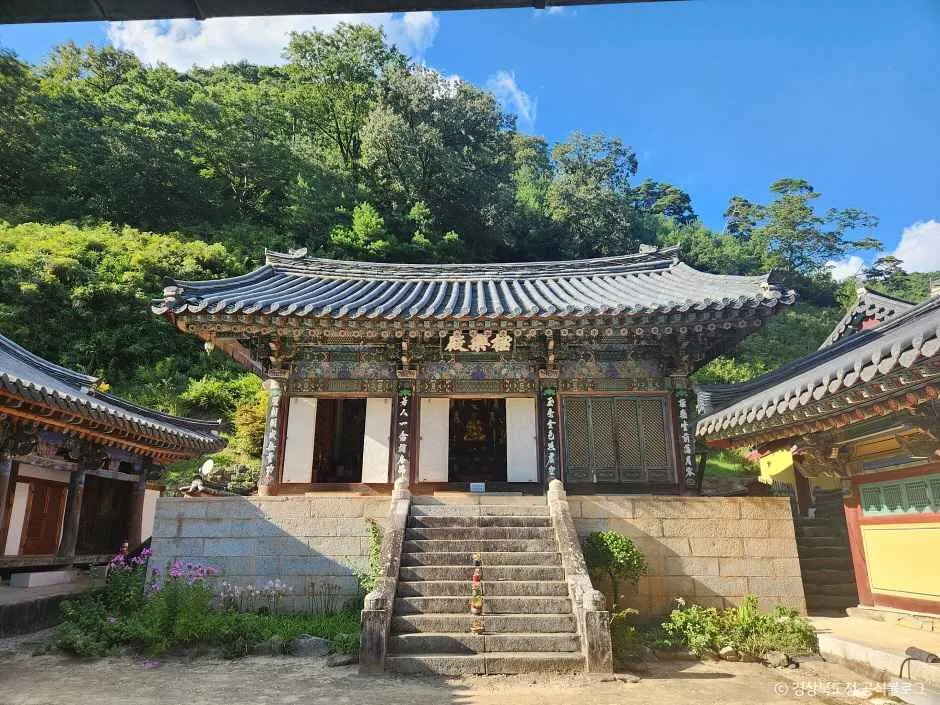
Nestled amidst the serene landscapes of Uiseong, Gounsa Temple stands as a testament to centuries of faith and artistry. This sacred site is renowned for its extraordinary collection of over a thousand Buddha statues, a sight that captivates visitors and offers a profound sense of peace. Prepare to be enchanted by the temple's unique spiritual aura and its rich historical tapestry.
The Allure of Gounsa Temple's Thousand Buddhas

Gounsa Temple, located in the picturesque county of Uiseong, Gyeongsangbuk-do, is not merely a place of worship; it is a vibrant repository of Buddhist devotion manifested in stone. The temple's most striking feature, and the source of its renown, is the sheer multitude of Buddha statues that adorn its grounds.
It is estimated that there are well over a thousand such figures, each meticulously crafted and placed with intention. This overwhelming display creates a powerful visual and spiritual impact, drawing pilgrims and art enthusiasts alike to witness this unique spectacle.
The history of Gounsa Temple dates back to the Silla Dynasty, although its current form and the prominent collection of Buddha statues are largely a result of more recent endeavors. While the exact origins are somewhat debated, the temple has long been a center for Buddhist practice in the region.
The initiative to create the vast number of Buddha statues began in earnest in the latter half of the 20th century, driven by a desire to spread Buddhist teachings and to create a space that embodies the boundless compassion and wisdom of the Buddha. This ambitious project has transformed Gounsa into a unique destination unlike any other in Korea.
What Makes Gounsa Temple Unique?

The defining characteristic of Gounsa Temple is undeniably its 'Thousand Buddha' concept. This isn't a literal count of ancient relics, but rather a modern dedication to Buddhist iconography. Visitors are greeted by rows upon rows of Buddha statues, varying in size and style, arranged in contemplative formations.
The sheer density of these figures creates an almost overwhelming sense of presence, inviting introspection and a deep connection to the spiritual essence of Buddhism. It's a visual representation of the idea that enlightenment is accessible to all beings.
Beyond the statues, the temple complex itself offers a tranquil escape. The architecture, while not as historically ancient as some of Korea's more famous temples, is designed to complement the natural surroundings. The main prayer hall, Daeungjeon, houses intricate Buddhist art, and the surrounding buildings provide spaces for quiet contemplation and meditation.
The temple's location in a rural area further enhances its peaceful atmosphere, making it an ideal destination for those seeking respite from the hustle and bustle of city life. The gentle sounds of nature and the quiet reverence of the space contribute to a deeply calming experience.
Experiencing Gounsa Temple

A visit to Gounsa Temple is an immersive journey into Buddhist culture and spirituality. As you wander through the grounds, take time to observe the details of the Buddha statues. Each one, though part of a larger collection, possesses its own subtle character.
Consider the different mudras (hand gestures) and expressions, which convey various teachings and states of being. Many visitors find a particular statue that resonates with them, offering a personal moment of connection.
Participating in temple activities can deepen your understanding and experience. While Gounsa may not offer extensive temple stay programs like some larger temples, inquiring about any available meditation sessions or dharma talks can provide valuable insights.
Even a simple act of circumambulating the main pagoda or prayer hall, a practice known as 'doré,' can be a meditative experience. The quietude of the temple allows for personal reflection, making it a place to recharge spiritually and mentally.
Tips for Your Visit to Gounsa Temple
Gounsa Temple is located in Uiseong, a region that may require a bit more planning for transit compared to major cities. Public transportation options exist, but they can be time-consuming.
Renting a car or using taxis for the final leg of the journey from a nearby town or bus station is often the most efficient method. Check local bus schedules in advance, especially if you are relying solely on public transport.
Respectful attire and behavior are expected when visiting any temple in Korea. Dress modestly, covering shoulders and knees. Maintain a quiet demeanor and avoid loud conversations or disruptive behavior. The best times to visit are typically during the spring and autumn when the weather is pleasant, and the surrounding natural scenery is at its most beautiful. Weekdays generally offer a more serene experience than weekends.
While Gounsa Temple is the primary attraction in this specific area, Uiseong offers other points of interest for those looking to extend their trip. Consider visiting the Uiseong Folk Village or exploring the natural beauty of the surrounding countryside. Pairing your visit with a stop at a local restaurant to sample regional specialties can round out your experience of Uiseong's charm.
Where is Gounsa Temple located?
Gounsa Temple is situated in Uiseong-gun, Gyeongsangbuk-do, South Korea.
What is Gounsa Temple famous for?
It is renowned for its collection of over a thousand Buddha statues, creating a unique spiritual landscape.
Is there an admission fee?
Admission is typically free, but donations are appreciated.
What are nearby attractions?
Consider Uiseong Folk Village or the scenic countryside of Uiseong.
How can I get there and what should I know?
Public transport is available but can be slow; consider a car rental. Dress modestly and visit on weekdays for tranquility.