Seasonal
"A Temple on the Edge of the World?"... Mihwangsa Temple, Haenam's Coastal Sanctuary
Discover Mihwangsa, a Goryeo-era temple clinging to a clifftop in Haenam, offering stunning sea views and a serene escape.
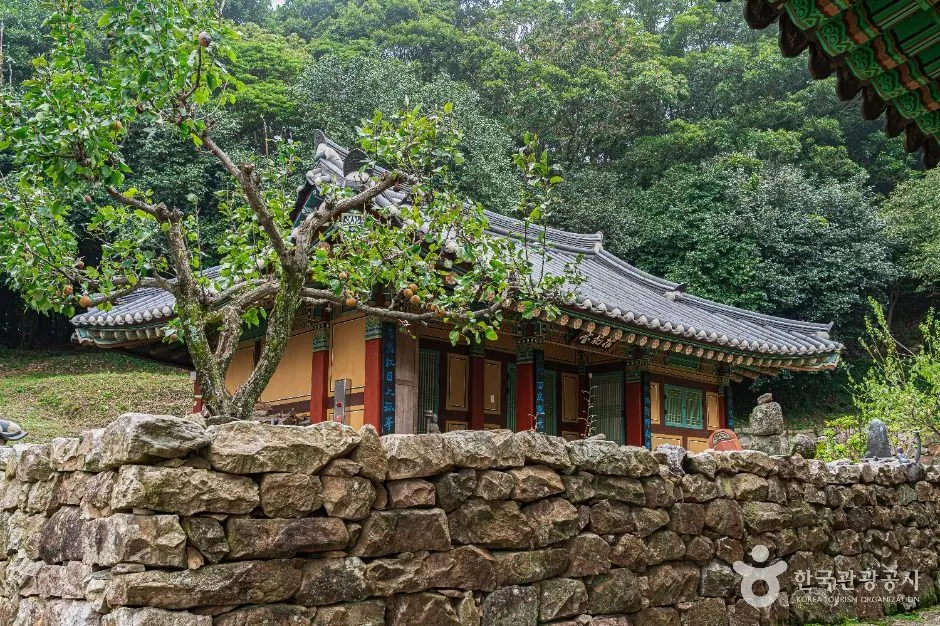
Perched precariously on a clifftop overlooking the vast expanse of the Yellow Sea and the islands of the Dadohae archipelago, Mihwangsa Temple offers a breathtaking juxtaposition of spiritual serenity and raw natural beauty. Founded in the Goryeo Dynasty, this historic sanctuary in Haenam, South Jeolla Province, invites visitors to step away from the everyday and into a realm where ancient Buddhist traditions meet dramatic coastal vistas. It is a place where the scent of sea salt mingles with the subtle fragrance of incense, creating an atmosphere that is both profoundly peaceful and invigoratingly wild.
A Millennium of Serenity on the Southern Coast

Mihwangsa's story begins over a thousand years ago, with its establishment during the Goryeo period. The temple's location was not chosen by accident; its dramatic placement on the southernmost tip of the Korean mainland offers unparalleled views and a sense of isolation conducive to spiritual practice.
The architecture itself, while bearing the hallmarks of traditional Korean temple design, has been shaped by centuries of wind and sea, creating a unique aesthetic that resonates with the surrounding landscape. Imagine monks from centuries past gazing out at the same endless horizon, finding solace and enlightenment amidst the elements.
The main sanctuary and its accompanying buildings are a testament to enduring faith and artistic skill. While time and nature have left their mark, the fundamental structures remain, offering a glimpse into the past. The Daeungjeon (Main Hall), though modest in size, exudes a quiet dignity.
Within its walls and scattered across the temple grounds, visitors can discover intricate Buddhist sculptures and artwork, each piece telling a story of devotion and cultural heritage. The careful preservation of these elements allows you to connect with the spiritual lineage that has called Mihwangsa home for generations.
What Makes Mihwangsa So Captivating?
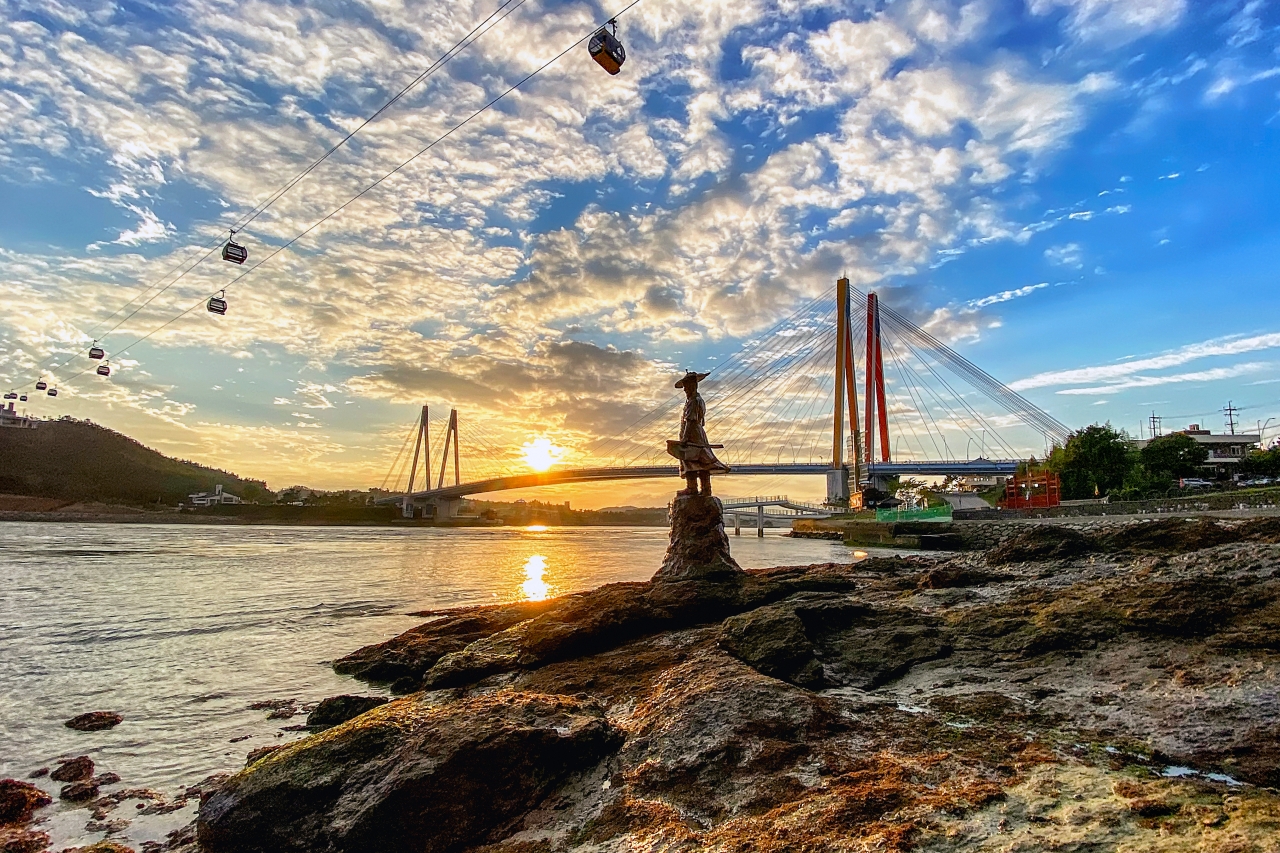
The primary allure of Mihwangsa lies in its extraordinary setting. The temple is not just a place of worship; it is an experience woven into the fabric of the dramatic coastline. From its elevated position, the panoramic views stretch across the shimmering waters of the Yellow Sea, dotted with countless islands that form the Dadohae Haean National Park.
On a clear day, the horizon seems infinite, a vast canvas of blue that inspires awe and contemplation. This constant visual connection to the immense power of nature imbues the temple with a unique spiritual energy.
Beyond the sweeping vistas, the temple grounds themselves offer a journey of discovery. Winding paths lead you through meticulously maintained temple courtyards and subtly integrated coastal gardens. These spaces are designed for quiet reflection, allowing visitors to wander and absorb the tranquil atmosphere.
You might find a secluded spot to sit, listen to the distant sound of waves, and feel a sense of profound peace wash over you. The air is often filled with the scent of pine and sea spray, a natural aromatherapy that complements the spiritual ambiance.
Experiencing Mihwangsa: A Journey for the Senses
A visit to Mihwangsa is an invitation to engage all your senses. Begin by walking the grounds, taking in the traditional Korean temple architecture, characterized by its elegant tiled roofs and wooden structures, set against the rugged cliffs. As you explore, pause at the various viewpoints.
The most striking is perhaps the pavilion or a designated lookout point near the cliff's edge, offering an unobstructed panorama of the sea and sky. This is where the sheer scale of the landscape truly hits home, fostering a sense of humility and wonder.
For those seeking deeper spiritual connection, Mihwangsa offers spaces for meditation and contemplation. Find a quiet corner in one of the meditation halls or simply sit on a bench overlooking the ocean.
The rhythmic sounds of the waves and the vastness of the sea can be incredibly conducive to quieting the mind and focusing inward. The temple often hosts meditation retreats or offers opportunities for visitors to participate in temple life, providing a more immersive experience for those interested in Buddhist practices.
Essential Tips for Your Visit

Mihwangsa is located in Haenam, at the southwesternmost tip of South Korea. Reaching it requires some effort, often involving a combination of public transport and a local taxi or a leisurely walk from the nearest bus stop.
The journey itself, winding through coastal roads, is part of the experience, building anticipation for the dramatic arrival. Plan your transportation in advance, especially if relying on public buses, as schedules can be infrequent.
The temple is accessible year-round, but the best times to visit are during the spring and autumn when the weather is mild and the natural scenery is at its most vibrant. Spring brings blooming wildflowers, while autumn offers clear skies and comfortable temperatures for exploring.
Wear comfortable walking shoes, as you will be navigating uneven paths and stairs. Remember to dress respectfully, as Mihwangsa is an active place of worship.
Admission to Mihwangsa is typically free, reflecting the temple's open invitation to all visitors. However, donations are always welcome and contribute to the upkeep of this historic site.
While there are no official guided tours readily available in English, the visual beauty and peaceful atmosphere speak volumes. You can enhance your understanding by researching the temple's history beforehand or visiting a local information center in Haenam for any available materials.
Mihwangsa serves as an excellent gateway to exploring the wider Dadohae Haean National Park. Consider extending your trip to discover nearby coastal attractions, small fishing villages, or other scenic spots in the Haenam area.
The dramatic coastline offers numerous opportunities for hiking and enjoying the natural beauty of the region. Combining a temple visit with exploration of the surrounding national park provides a comprehensive experience of South Jeolla Province's coastal charm.

Where is Mihwangsa Temple located?
Mihwangsa is situated on a clifftop in Haenam, South Jeolla Province, overlooking the Yellow Sea.
What are the main attractions at Mihwangsa?
Key attractions include its clifftop setting, Goryeo-era Buddhist architecture, sculptures, and panoramic sea views.
What is the admission fee for Mihwangsa?
Admission is typically free, though donations for temple upkeep are appreciated.
What are good nearby attractions to visit with Mihwangsa?
Consider exploring Dadohae Haean National Park, local fishing villages, and other coastal scenic spots in Haenam.
How can I get to Mihwangsa and are there tours available?
Access usually involves public transport to Haenam plus a taxi or walk. English tours are limited; self-guided exploration is common.