Seasonal
"A Thousand Buddhas in a Thousand Years?"... Gwanamsa Temple, Changnyeong's Spiritual Haven
Discover Gwanamsa Temple in Changnyeong, a historic sanctuary rumored to hold a thousand Buddha statues. Explore its serene atmosphere and cultural significance.
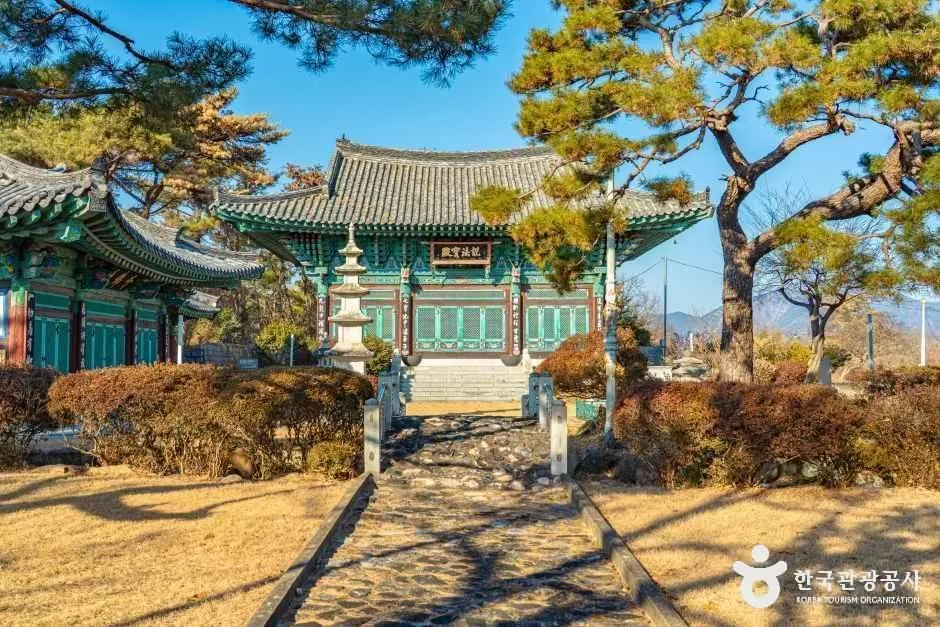
Nestled in the tranquil embrace of Changnyeong, Gwanamsa Temple (관음사) stands as a testament to centuries of devotion. This sacred site is whispered to house an astonishing collection of a thousand Buddha statues, each telling a silent story of faith and artistry. If you seek a moment of profound peace and a glimpse into Korea's rich spiritual heritage, Gwanamsa offers an experience that resonates deeply.
The Allure of Gwanamsa's Thousand Buddhas
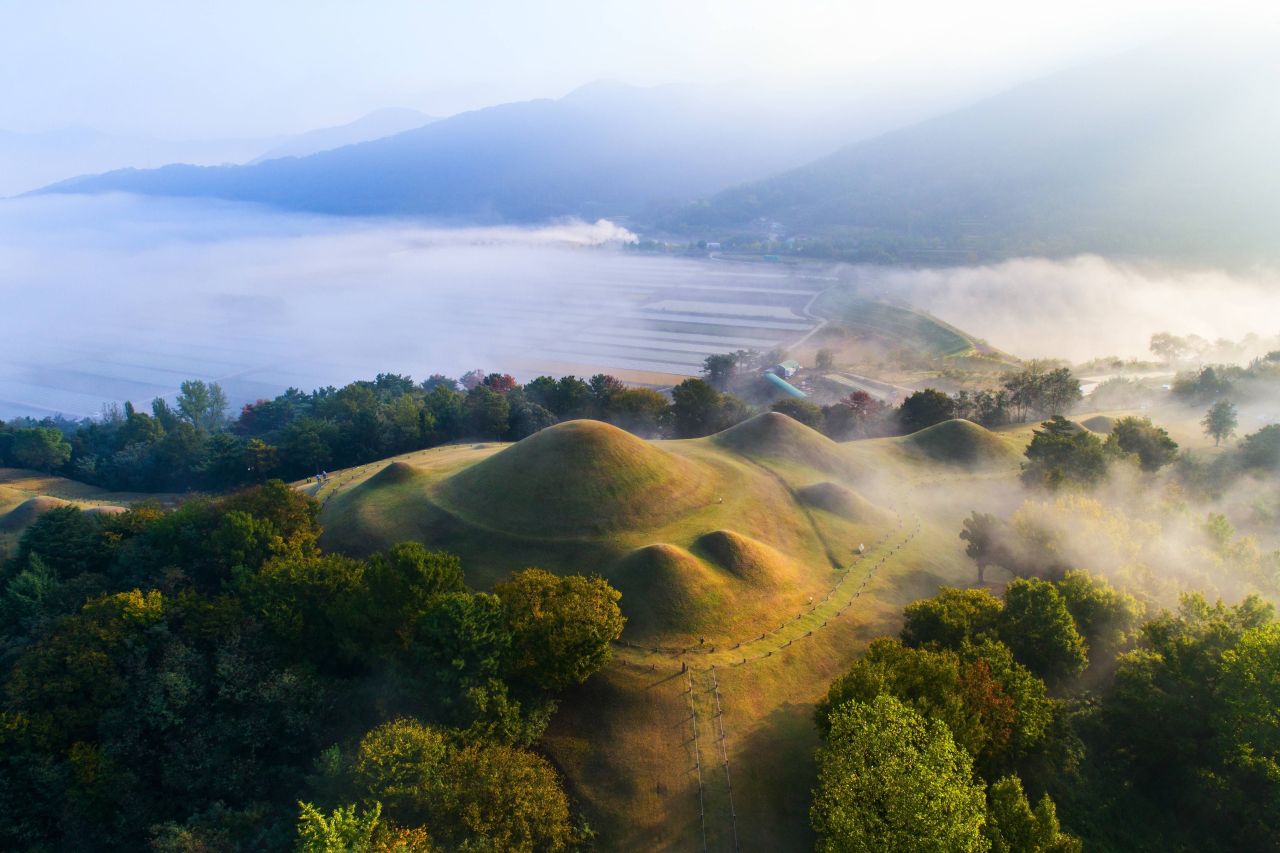
The legend of a thousand Buddhas at Gwanamsa is more than just a number; it represents an enduring aspiration for enlightenment and spiritual abundance. While the exact count may vary, the sheer presence of numerous Buddha images creates an atmosphere of profound sanctity.
These statues, often crafted with meticulous detail, range in size and style, reflecting different eras and artistic interpretations of Buddhist iconography. Walking among them, one can feel the weight of history and the continuity of spiritual practice that has thrived here for generations.
Each statue, whether a serene depiction of Amitabha or a compassionate Avalokitesvara, invites contemplation. The artistry involved in their creation speaks volumes about the skill and dedication of the artisans who shaped them, likely over many years.
The temple grounds themselves are designed to foster a sense of peace, with carefully maintained gardens and traditional Korean architectural elements that complement the spiritual focus. Visiting Gwanamsa is an opportunity to connect with a tradition that emphasizes inner peace and the pursuit of wisdom.
What Makes Gwanamsa a Spiritual Gem?

Gwanamsa's charm lies in its quietude and the palpable sense of history that permeates its grounds. Unlike some of the more bustling temples, Gwanamsa offers a more intimate encounter with Buddhist culture.
The surrounding natural landscape, often featuring rolling hills and verdant foliage, further enhances the temple's serene ambiance. This natural beauty is not merely decorative; it is an integral part of the temple's spiritual philosophy, symbolizing the interconnectedness of all things.
The temple's architecture, though perhaps less grand than some of its more famous counterparts, possesses a unique rustic elegance. Traditional wooden structures, weathered by time, stand as humble yet dignified witnesses to the passage of centuries.
This understated beauty encourages visitors to focus on the spiritual essence of the place rather than being overwhelmed by opulence. The air is often filled with the gentle scent of incense and the distant sound of chanting, creating a truly immersive sensory experience.
Experiencing the Tranquility of Gwanamsa

A visit to Gwanamsa is best approached with a mindset of quiet observation and respectful contemplation. Take your time to wander through the temple complex, observing the intricate details of the Buddha statues and the surrounding natural environment.
The main sanctuary, often housing the most significant icons, is a focal point for prayer and meditation. If you are fortunate, you might witness a traditional Buddhist ceremony, offering a deeper insight into the living practice of the faith.
Consider dedicating time for personal reflection within the temple grounds. Many visitors find solace in simply sitting quietly in the temple courtyard or along a peaceful pathway, allowing the serene atmosphere to wash over them.
The experience is not about rushing from one point of interest to another, but about allowing the spiritual energy of Gwanamsa to slowly unfold and connect with your own inner peace. Photography is generally permitted in designated areas, but always be mindful of ongoing services or private prayer.
Tips for Your Visit to Gwanamsa
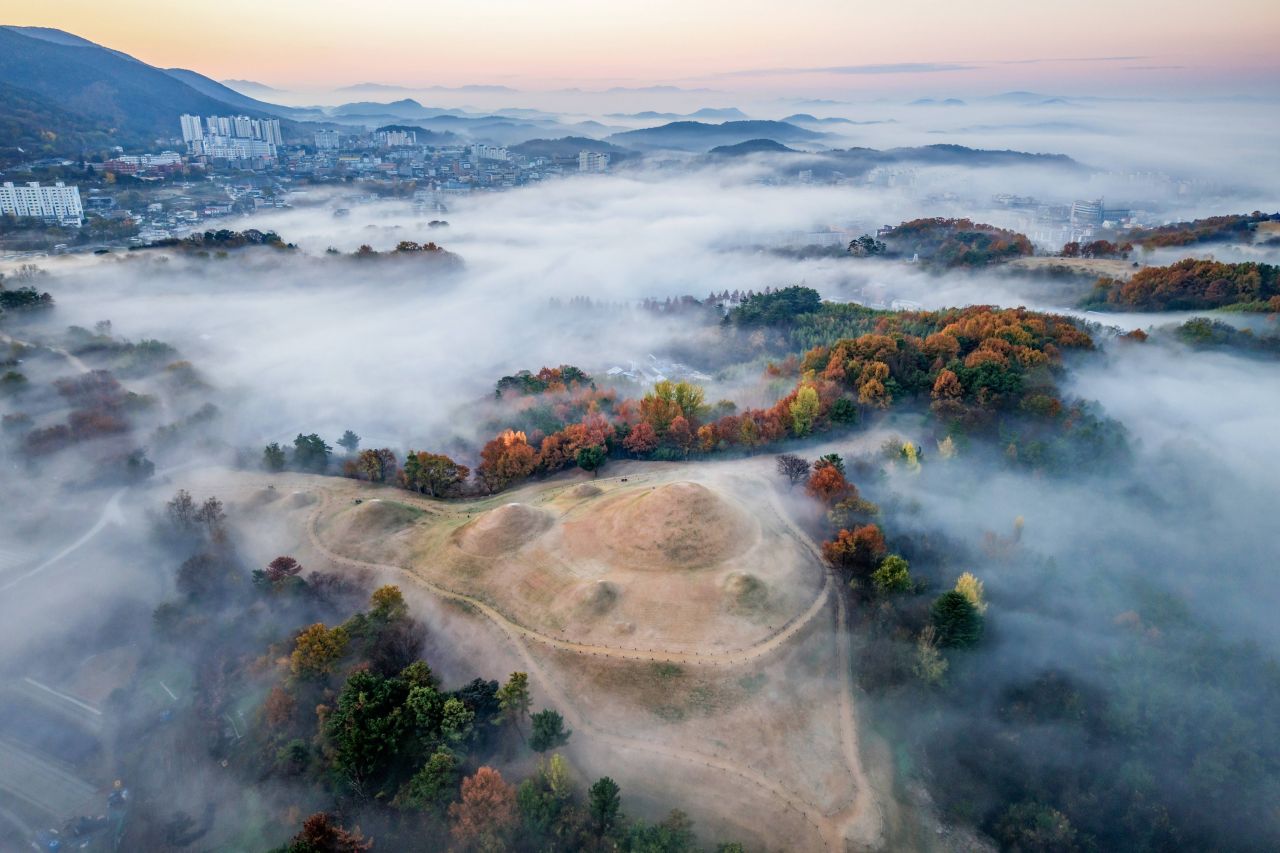
When planning your visit, it's advisable to check the temple's operating hours, as these can vary. While admission is typically free, donations are always appreciated and contribute to the temple's upkeep.
Dress respectfully; modest clothing that covers your shoulders and knees is recommended, as you are entering a sacred place of worship. Comfortable walking shoes are also a good idea, as you'll likely be doing a fair amount of walking around the temple grounds.
To make the most of your trip, consider visiting during the quieter weekdays or early mornings to avoid crowds and enhance the sense of tranquility. The temple is located in a rural area, so transportation might require some planning.
Combining your visit with other nearby attractions in Changnyeong can create a well-rounded itinerary, allowing you to experience more of what this charming region has to offer.

Where is Gwanamsa Temple located?
Gwanamsa Temple is situated in Changnyeong County, Gyeongsangnam-do, South Korea.
What are the main attractions at Gwanamsa?
The temple is known for its numerous Buddha statues, serene atmosphere, and traditional Korean architecture.
Is there an admission fee for Gwanamsa Temple?
Admission to Gwanamsa Temple is typically free, though donations are welcome.
What are good nearby attractions to visit with Gwanamsa?
Consider visiting Uibyeong Museum or Bufyeongsan Recreational Forest in Changnyeong.
How can I get to Gwanamsa Temple?
Public transportation may be limited; consider local buses or driving. Check local transit info.