Itinerary
"A Century of Cinema Under One Roof?"... Gwangju Cinema, Gwangju's Enduring Film Hub
Step back in time at Gwangju Cinema, a historic venue still showing films today. Experience classic and modern cinema in the heart of Gwangju.
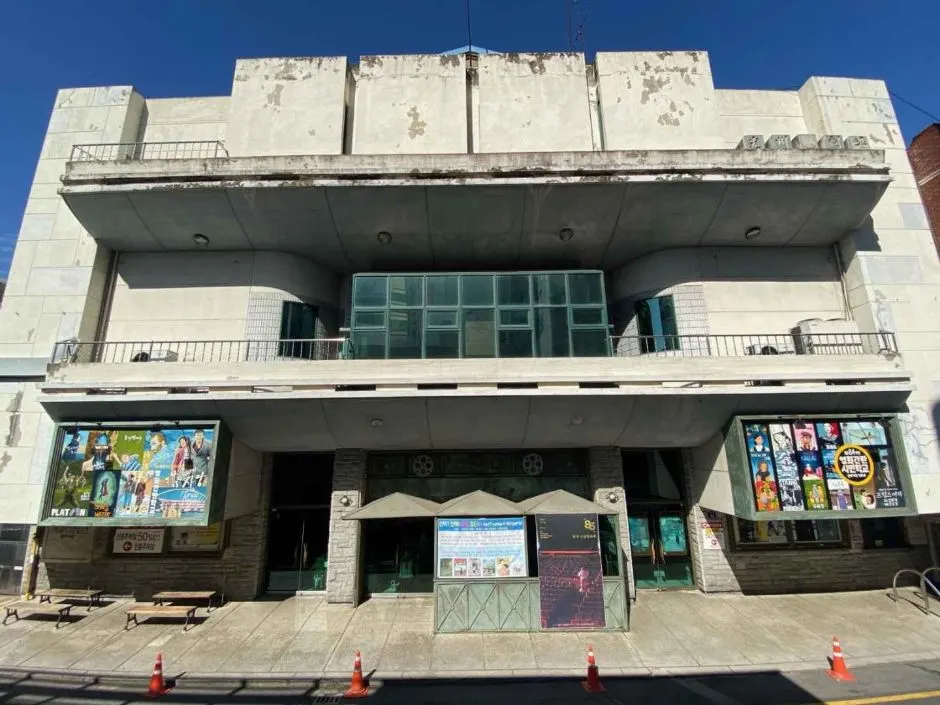
Gwangju Cinema is more than just a place to watch movies; it's a living piece of history. Established in 1930, this iconic cinema has witnessed decades of change while continuing to serve its community. If you're seeking an authentic cultural experience in Gwangju, the Gwangju Cinema offers a unique glimpse into the evolution of film exhibition and local entertainment traditions.
A Legacy Through the Lens
Gwangju Cinema holds the distinction of being one of the oldest continuously operating cinemas in South Korea. Its story began in 1930, a time when cinema was a burgeoning global phenomenon and a significant cultural force.
For over nine decades, it has been a cornerstone of Gwangju's cultural landscape, adapting through the Japanese colonial era, the Korean War, and periods of rapid modernization. The building itself, with its distinctive architecture, tells a story of resilience and enduring appeal.
The cinema's longevity is a testament to its deep connection with the city and its people. It has been a place where generations have shared laughter, tears, and excitement, experiencing the magic of the silver screen together.
Unlike modern multiplexes that often prioritize rapid turnover and commercial blockbusters, Gwangju Cinema has maintained a more curated approach, often showcasing a diverse range of films that reflect both global trends and local artistic sensibilities. This commitment to variety has helped it retain a loyal following.
What Makes Gwangju Cinema Special?
What truly sets Gwangju Cinema apart is its unique blend of historical significance and contemporary operation. While it retains the charm of a bygone era, it has also kept pace with technological advancements to ensure a quality viewing experience.
Visitors can expect to find a welcoming atmosphere that contrasts with the often impersonal feel of larger chain cinemas. The cinema's historical context adds an extra layer of appreciation to the film-watching experience.
The cinema's programming is another key attraction. While it screens popular new releases, it also dedicates significant screen time to independent films, art-house cinema, and retrospective screenings. This diverse selection caters to a wide range of tastes and offers opportunities for discovery.
If you're a film buff looking for something beyond the mainstream, Gwangju Cinema is likely to have a hidden gem waiting for you. Its role as a cultural hub extends to hosting film festivals and special events.
Experiencing Gwangju Cinema Today
Visiting Gwangju Cinema offers a multisensory journey. The moment you step inside, you might notice the distinct ambiance that speaks of its long history.
The seating, while comfortable, often reflects an older style of cinema design, adding to the nostalgic feel. The projection and sound systems, though perhaps not as cutting-edge as the newest multiplexes, are well-maintained and provide a satisfying experience for appreciating both visual and auditory storytelling.
Beyond the screening itself, the cinema's location in the heart of Gwangju's cultural district makes it an ideal starting or ending point for a day of exploration. You can combine a movie outing with visits to nearby museums, galleries, or traditional markets.
The experience is about more than just the film; it's about immersing yourself in the local atmosphere and appreciating a venue that has been a constant presence in the city's life for so long.
Tips for Your Visit
When planning your visit, it's advisable to check the cinema's schedule in advance, as showtimes and film selections can vary. Tickets can typically be purchased at the box office on the day of the screening, though for popular films or special events, booking ahead might be wise. The staff are generally helpful and can provide information about the films currently showing and the cinema's history.
Gwangju Cinema is conveniently located and accessible via public transportation. Consider pairing your visit with a stroll through the surrounding streets, which are filled with local eateries and shops. This allows you to fully soak in the Gwangju experience, making your trip to the cinema part of a broader cultural exploration of the city.
Where is Gwangju Cinema located?
It is situated in the central area of Gwangju, easily accessible within the city.
What kind of films are shown at Gwangju Cinema?
It screens a mix of new releases, independent films, and art-house cinema.
What is the admission fee?
Ticket prices typically range from 10,000 to 14,000 KRW, depending on the showing.
What are nearby attractions?
The surrounding area offers museums, galleries, and traditional markets for exploration.
How can I purchase tickets?
Tickets can be bought at the box office or sometimes online via their website or app.