Itinerary
"Echoes of the Sea's Bounty?"... Jangsaengpo Culture Warehouse, Ulsan's Maritime History Revealed
Explore Korea's whaling past at Jangsaengpo Culture Warehouse, a unique museum preserving maritime industrial heritage in a historic port.
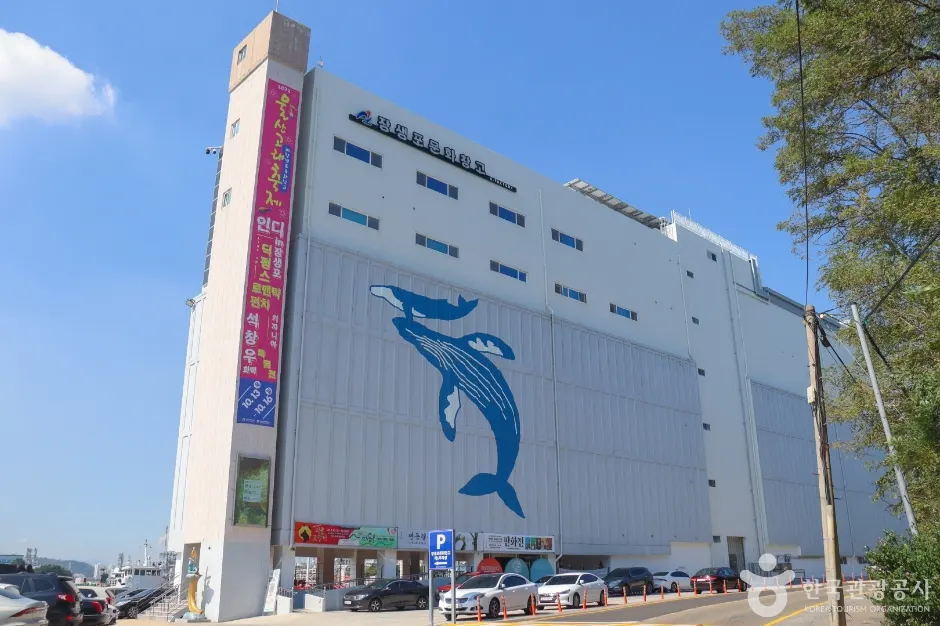
The salty tang of the sea and the ghosts of a bygone era linger at Jangsaengpo Culture Warehouse in Ulsan. This unique space, once a vital hub of Korea's whaling industry, now stands as a testament to its rich maritime history. Within its walls, the stories of a community shaped by the ocean's bounty and the challenges of deep-sea hunting are preserved for future generations. Prepare to step back in time and discover the resilient spirit that defined this historic port.
A Port's Past: The Rise and Transformation of Jangsaengpo
Jangsaengpo, nestled along the southeastern coast of Korea, was once a bustling center of the nation's whaling industry. From the early 20th century through the 1980s, this port was synonymous with the dangerous yet lucrative pursuit of whales.
The sheer scale of operations here was immense, with processing plants, cold storage facilities, and a vibrant community that revolved around the sea's giants. The economic prosperity of Ulsan, particularly this district, was inextricably linked to the whaling trade, making it a significant industrial site.
However, changing global sentiments regarding whaling, coupled with declining whale populations and stricter international regulations, led to the industry's gradual decline. By the late 1980s and early 1990s, the roar of the whaling ships and the industry's intense activity faded, leaving behind a port that needed a new identity.
This transition marked a pivotal moment, prompting a rethinking of Jangsaengpo's future and a desire to preserve its unique heritage rather than letting it disappear.
What Treasures Lie Within the Warehouse?
The Jangsaengpo Culture Warehouse itself is a vital part of the narrative. Housed within a former industrial building that once played a role in the whaling operations, the structure retains its raw, utilitarian charm.
This architectural choice provides an authentic backdrop, allowing visitors to visualize the industrial processes that took place here decades ago. The spacious interior, characteristic of a warehouse, is thoughtfully utilized to display a comprehensive collection of artifacts.
Inside, you'll encounter a diverse array of exhibits that meticulously document Korea's whaling history. These include meticulously preserved traditional whaling equipment, such as harpoons, lances, and sample ropes, offering a tangible connection to the physical demands of the profession.
Alongside these tools are poignant historical photographs that capture the raw energy of the whaling operations, the faces of the whalers, and the sheer scale of their catches. These visual records are invaluable for understanding the human element of this industry.
Exploring the Depths of Maritime Heritage
The museum doesn't just present objects; it weaves a narrative of Ulsan's industrial and economic transformation. Through detailed displays and informative panels, visitors can trace the profound impact the whaling industry had on the local community.
It highlights how Jangsaengpo evolved from a site of intense industrial activity to a place focused on cultural preservation and tourism. This transformation is crucial for understanding how former industrial sites can find new life and purpose.
The exhibits delve into the broader context of early to mid-20th century Korean maritime culture. This includes insights into the daily lives of the people who worked in and around the port, their challenges, their triumphs, and the unique social fabric that developed.
By understanding this specific history, visitors gain a deeper appreciation for Korea's complex relationship with the sea and its role in the nation's development over the past century.
Tips for Your Visit to Jangsaengpo
When planning your visit, consider combining it with other attractions in the Jangsaengpo area. The Whale Museum and the Whale Ecology Experience Center are nearby and offer complementary perspectives on marine life and whaling history.
This cluster of attractions makes Jangsaengpo a compelling destination for a day trip focused on maritime heritage. Check the official website for the latest information on operating hours and any special exhibitions.
Access to the Culture Warehouse is generally straightforward, and it's often included with admission to other Jangsaengpo attractions or available with a combined ticket. While specific events might require advance booking, general admission typically does not.
The best way to reach Jangsaengpo is via public transport from Ulsan city center, with regular bus services available. Allow ample time to explore the exhibits thoroughly and to appreciate the historical ambiance of the former port.
Where is Jangsaengpo Culture Warehouse located?
It is located in the Jangsaengpo area of Ulsan, South Korea, a historic whaling port.
What are the main attractions inside?
The warehouse displays artifacts, traditional whaling equipment, and historical photographs documenting Korea's whaling past.
Is there an admission fee?
Admission is typically part of a combined ticket with nearby whale attractions or a small separate fee. Check official site.
What are good nearby attractions to visit?
The Ulsan Whale Museum and the Whale Ecology Experience Center are highly recommended.
How can I get there and is booking needed?
Accessible by bus from Ulsan city. General visits do not require advance booking.