Seasonal
Naju Natural Dyeing Culture Center Visitor Guide — History & Tradition
Explore the vibrant history of Korean natural dyeing at the Naju Natural Dyeing Culture Center. Discover indigo's legacy and try your hand at this ancient craft.
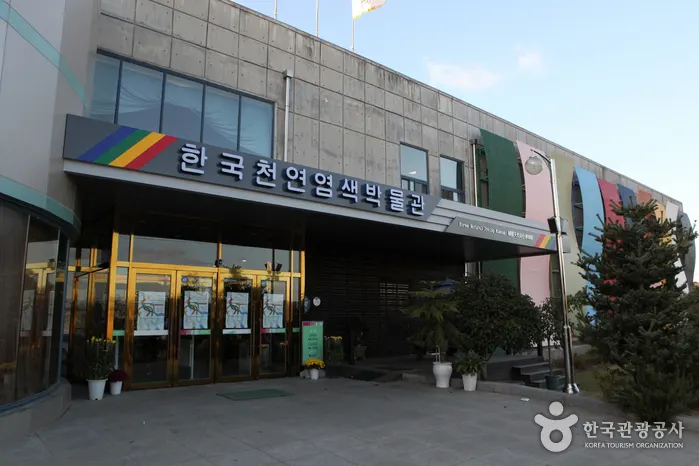
The area of Naju has long been at the forefront of the natural dyeing and silk production industry. The natural setting of fresh water from the Yeongsangang River along with the salt water from the sea are perfect for growing the plants necessary for a deep indigo color. As such, it is the only area to be recognized for its natural dyeing (Important Intangible Cultural Heritage) by the Cultural Heritage Administration. The best place to experience this local heritage is at the Natural Dyeing Culture Center. The center offers experience programs and educational programs, as well as exhibitions and sales of naturally dyed products.
Why Natural Dyeing Culture Center matters
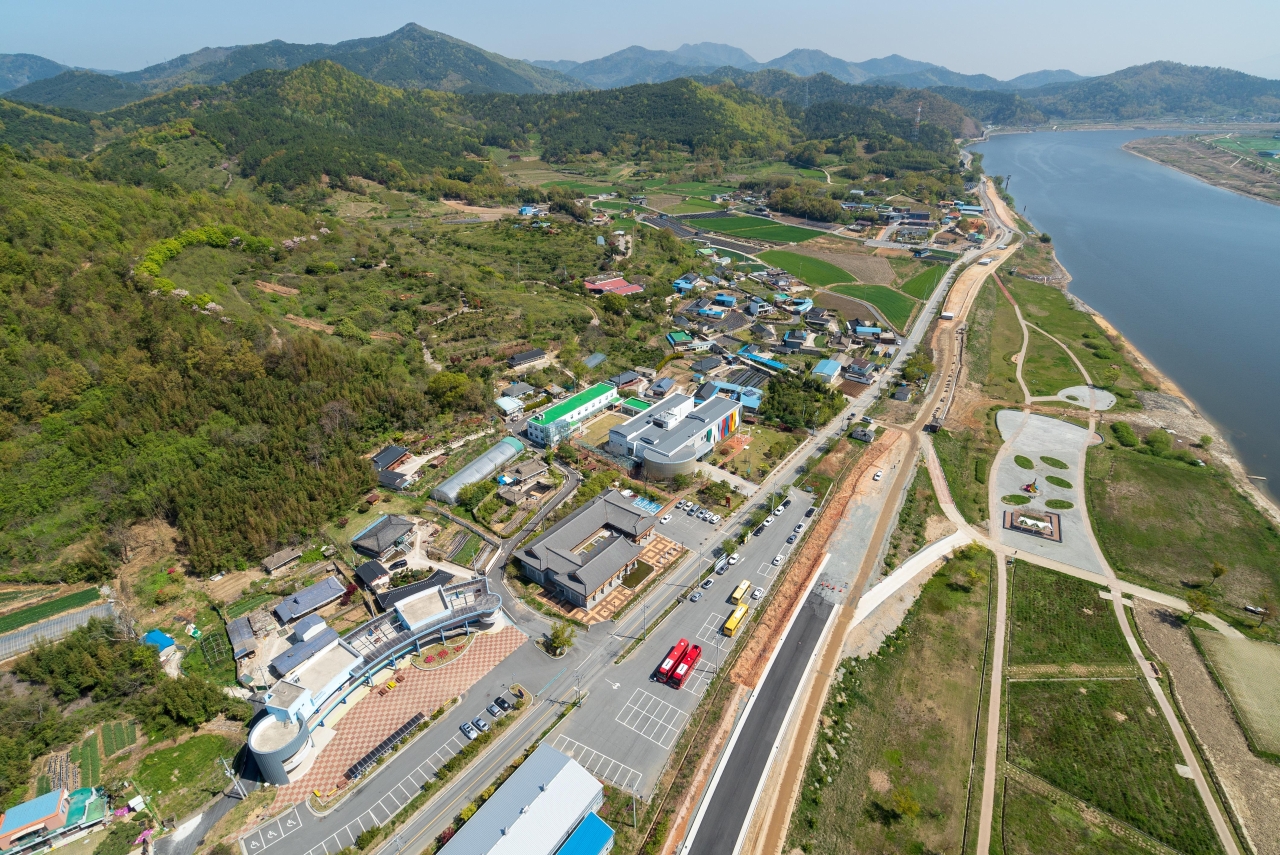
The Legacy of 'Jjok': Naju's Indigo Heritage
Naju holds a special place in the history of Korean natural dyeing. For centuries, this region was a significant center for the cultivation and processing of indigo, the plant whose leaves yielded the deep, resonant blues that became synonymous with traditional Korean attire.
The Natural Dyeing Culture Center delves deep into this rich heritage. The museum's exhibits meticulously trace the journey of natural dyes from plant to fabric, explaining the complex chemical processes involved in extracting vibrant hues from sources like indigo, gardenia, and mugwort.
What sets the Naju Natural Dyeing Culture Center apart is its commitment to bringing the dyeing process to life. Beyond static displays, the center features working dye vats, allowing visitors to witness firsthand the magic of color transformation.
The center's dedication to natural dyeing extends to its retail space. Here, you can find a curated selection of textiles and products dyed on-site using the very techniques showcased in the museum.
The center is conveniently located in Naju, making it an excellent addition to a broader itinerary exploring the region. Consider pairing your visit with other local attractions such as the Naju National Museum, the picturesque Damyang Bamboo Forest (a short drive away), or the historic Hyanggyo Confucian School. These complementary sites offer a well-rounded experience of Naju's cultural and natural beauty.
Official visitor information
Official address: 379, Baekho-ro, Naju-si, Jeonnam-Gwangju Special Metropolitan City.
Official visiting hours: 09:00-18:00.
Official closure information: January 1, Seollal (Lunar New Year's Day) & Chuseok (Korean Thanksgiving Day) holidays.
Parking: Available.
Official information contact: • 1330 Travel Hotline: +82-2-1330 · (Korean, English, Japanese, Chinese) · • For more info: +82-61-335-0160.
Official admission information: Free.
How to use this guide
Use the official information above as the planning baseline. Opening arrangements, programs, admission conditions, and access rules can change after this review. Follow the official source links before traveling, especially when your visit depends on a particular exhibition, performance, seasonal activity, or facility.
The remaining recommendations on this page are editorial guidance for understanding the setting and organizing a visit. They are not a substitute for instructions issued by the venue, local government, cultural-property authority, or transport operator.
Responsible visit checklist
Before leaving
- Open the official venue page and confirm the latest operating notice.
- Check weather and transport conditions on the day of travel.
- Respect residential, religious, ecological, and cultural-property rules where applicable.
- Allow flexibility rather than relying on an exact minute-by-minute schedule.
- Use the official information contact when accessibility or reservation details are essential.
Where is Natural Dyeing Culture Center?
379, Baekho-ro, Naju-si, Jeonnam-Gwangju Special Metropolitan City
Where should I confirm current hours and closures?
Use the official source links in the reviewed-for-accuracy panel on this page.
When was this information checked?
The reviewed-for-accuracy panel shows the latest human review date and source record.