Itinerary
"A Concrete Jungle Transformed?"... Seoul's Oil Tank Culture Park, Industrial Heritage Reimagined
Discover Seoul's Oil Tank Culture Park, a former petroleum reserve reborn as a vibrant cultural hub. Explore unique spaces within preserved industrial tanks.
Hidden behind Mount Maebongsan in northwest Seoul lies a place where industrial might meets artistic vision. The Oil Tank Culture Park, once a critical petroleum reserve facility, has been reborn from its utilitarian past into a dynamic cultural complex. Since its reopening in 2017, this site offers a unique glimpse into Seoul's industrial heritage, ingeniously repurposed for contemporary artistic expression and community engagement.
From Reserve to Rebirth: The Park's Genesis
For decades, these imposing structures served a singular, vital purpose: storing oil for the burgeoning metropolis of Seoul. Built in the 1970s, the six massive tanks were a symbol of the city's rapid development and its reliance on energy.
Their existence was largely unknown to the public, tucked away and serving a strictly industrial function, a stark contrast to the vibrant green spaces and cultural venues that define Seoul today. The decommissioning of the facility in 2000 marked the end of an era, leaving behind a site ripe for reinvention.
The transformation into the Oil Tank Culture Park was not merely a cosmetic makeover but a profound act of urban regeneration. The vision was to honor the site's history while creating a forward-looking space for art, culture, and community.
This adaptive reuse project meticulously preserved the original architecture, ensuring that the riveted steel walls, the imposing silhouettes of the tanks, and the sheer scale of the industrial past remain central to the visitor experience. It stands as a powerful testament to how cities can creatively repurpose forgotten industrial landscapes.
Exploring the Preserved Giants: A Unique Architectural Landscape
The heart of the park consists of five remarkably preserved oil tanks, each reimagined to serve distinct cultural purposes. Tank 1, the largest, has been transformed into a theater and performance hall, its cavernous interior now echoing with music and drama instead of the hum of machinery.
Tank 2 houses a spacious exhibition hall, providing a raw, industrial backdrop for visual arts. Tank 3 offers a unique glass pavilion, a light-filled space perfect for smaller gatherings and displays.
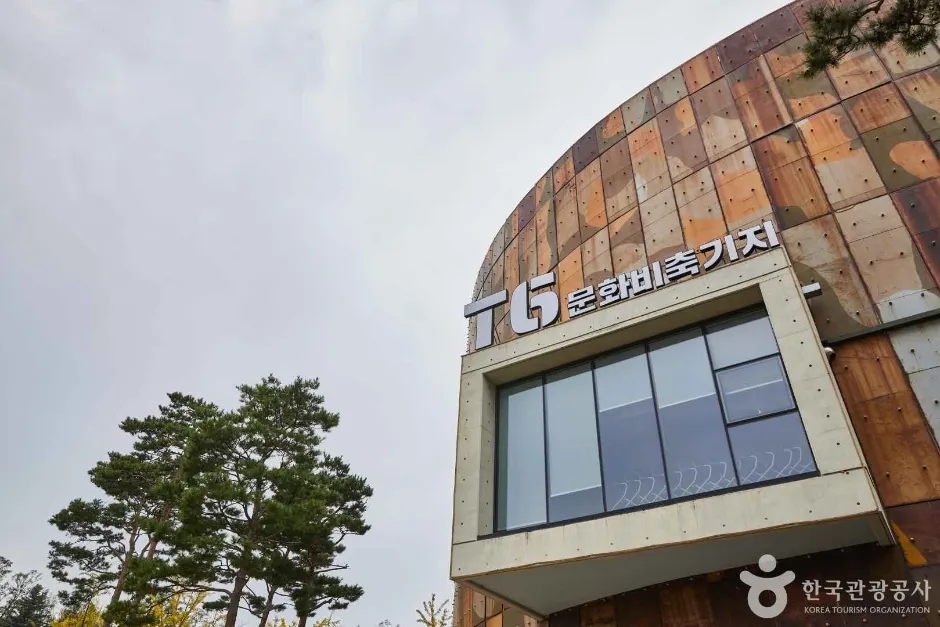
Tank 4 has been converted into a multi-purpose cultural space, adaptable for various events and workshops, while Tank 5 serves as a venue for exhibitions and performances, maintaining its industrial aesthetic. The sixth tank, unique among the others, was constructed using steel salvaged from the dismantled tanks.
This community lounge, known as T6, provides a relaxed gathering space, embodying the park's ethos of resourcefulness and sustainable design. Walking among these massive, riveted structures offers a tangible connection to the site's former life.
Beyond the Tanks: Green Spaces and Community Hubs
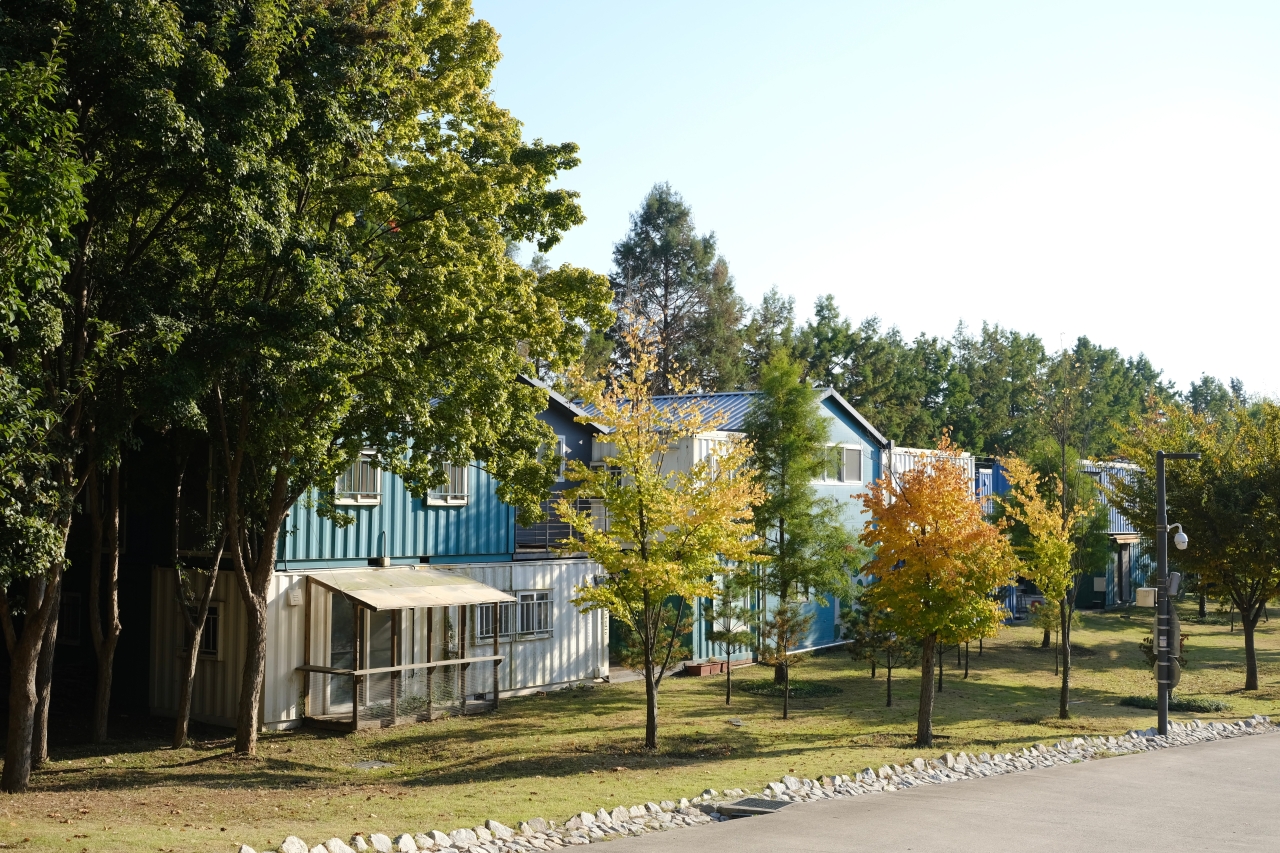
The Oil Tank Culture Park is more than just its iconic tanks; it is also a sprawling public parkland that integrates the industrial elements with nature. Walking paths wind through the grounds, offering different perspectives of the tanks and the surrounding landscape.
Open grassy areas provide spaces for relaxation, picnics, and informal gatherings, allowing visitors to enjoy the outdoors amidst a backdrop of striking industrial architecture. The park's design encourages exploration and discovery at every turn.
The T6 community lounge, built from recycled materials, serves as a central hub. It offers a comfortable place to rest, grab a coffee, or learn more about the park's history and ongoing events.
Throughout the year, the park hosts a diverse range of activities, from art exhibitions and theater performances to outdoor concerts and community festivals. Its accessibility and free admission policy make it a popular destination for locals and tourists seeking unique cultural experiences in Seoul.
Planning Your Visit: Tips for an Unforgettable Experience
The park is conveniently located and easily accessible by public transportation. Consider visiting on a weekday to avoid larger crowds, especially if you wish to explore the exhibition spaces more intimately.
Comfortable walking shoes are recommended, as you'll be exploring both the interior of the tanks and the outdoor park areas. Check the park's official website or local listings for the current schedule of events and exhibitions, as these can vary.
Given its proximity to the expansive World Cup Park and Haneul Park (Sky Park), the Oil Tank Culture Park makes an excellent addition to a broader itinerary exploring Seoul's western districts. You can easily spend a morning here, followed by an afternoon enjoying the natural beauty and panoramic views offered by the nearby parks.
The contrast between the industrial aesthetic of the tanks and the natural landscapes provides a rich and varied day out.
Where is the Oil Tank Culture Park located?
It's situated behind Mount Maebongsan in Mapo-gu, Seoul, South Korea.
What can I see and do inside the oil tanks?
The tanks are repurposed as performance venues, exhibition halls, and cultural spaces.
Is there an admission fee?
General admission to the park and most areas is free; special exhibitions may have separate fees.
What are good nearby attractions to combine with a visit?
The park pairs well with the nearby World Cup Park and Haneul Park (Sky Park).
How can I get there and are there any special events?
Accessible by subway; check the official website for event schedules and transit info.