Seasonal
"Busan's Surf Secret?"... Songjeong Beach, The Laid-Back Alternative to Haeundae
Discover Songjeong Beach, Busan's accessible surf haven with a relaxed vibe, year-round waves, and charming nearby temple.
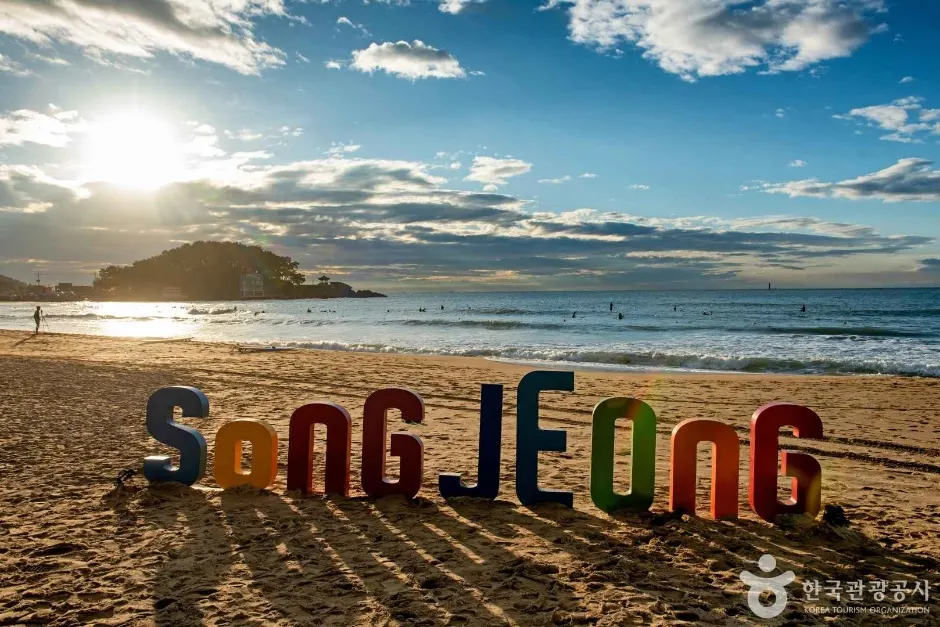
Just a short drive from the bustling crowds of Haeundae lies Songjeong Beach, a different kind of Busan shoreline. Framed by rocky outcrops and offering a gentler pace, this stretch of sand is renowned as Korea's most accessible mainland surf spot. Whether you're a seasoned pro or a curious beginner, Songjeong provides a welcoming gateway to catching waves.
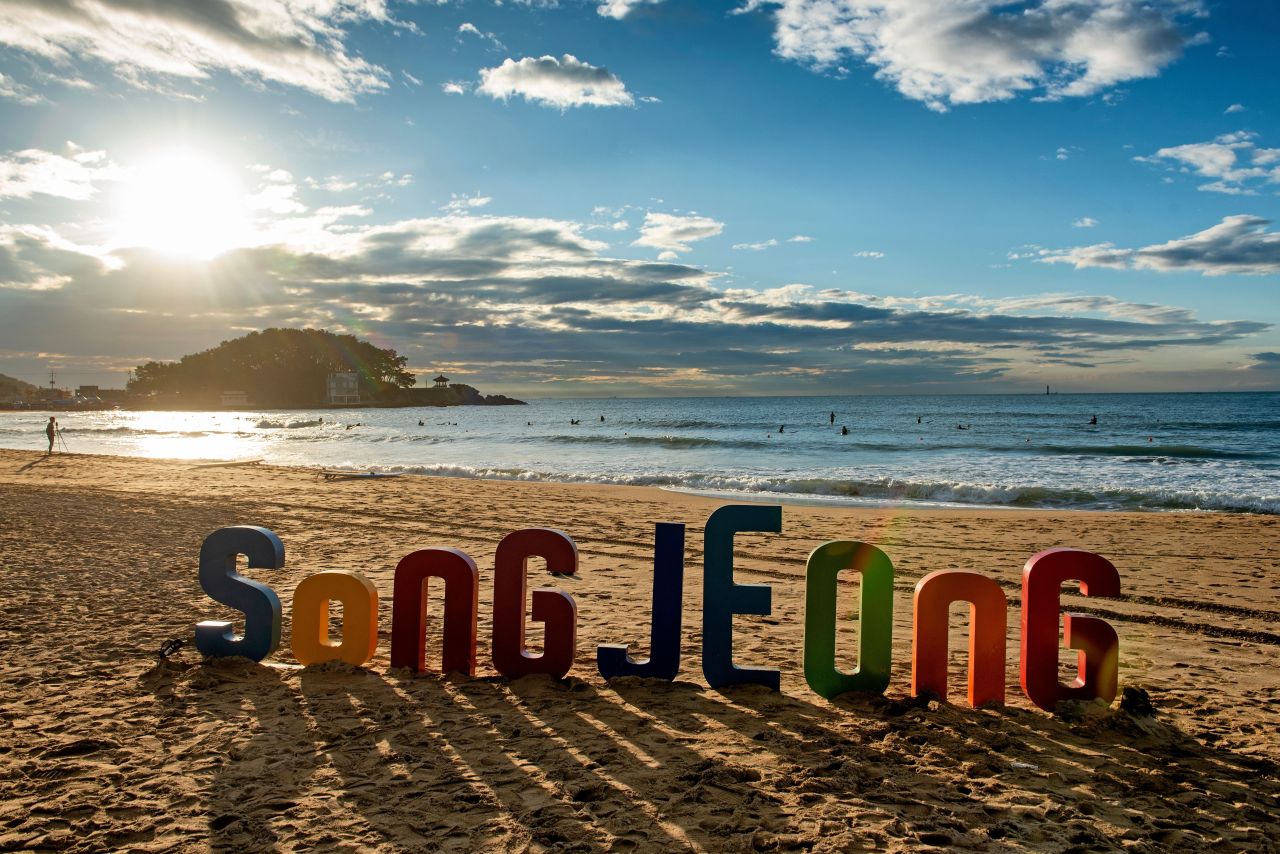
Songjeong Beach's Laid-Back Charm
Songjeong Beach presents a refreshing contrast to its more famous neighbor, Haeundae. While Haeundae buzzes with high-rise hotels and a wide, expansive shoreline, Songjeong feels more intimate and relaxed.
Its shorter stretch of sand is hugged by rocky headlands at either end, creating a natural amphitheater that feels both sheltered and scenic. This unique geography contributes to its reputation as a prime surfing destination, offering a more laid-back atmosphere that appeals to those seeking a less commercialized beach experience.
The beach's accessibility is a major draw. Located just beyond the Marine City area and separated from Haeundae by a single tunnel, it's an easy journey for both locals and tourists.
This convenience, combined with its consistent wave conditions, has cemented Songjeong's status as a go-to spot for surfers on the Korean mainland. The vibe here is noticeably younger and more casual than at Haeundae, with a lively strip of eateries and shops catering to the surf crowd.
What Makes It a Surfer's Paradise?
Songjeong Beach boasts a year-round surf break, making it a consistent choice for wave riders regardless of the season. While the summer months offer warmer waters, the beach is equally popular during cooler periods, thanks to readily available wetsuit rentals.
The waves here are typically gentle and consistent, suitable for learners and intermediate surfers. This forgiving break allows for longer rides and more practice time, contributing to its reputation as an ideal training ground.
The peak seasons for surfing are generally considered to be spring (March to May) and autumn (September to November). During these periods, the weather is pleasant, and the wave conditions are often optimal.
The surrounding infrastructure supports this year-round appeal, with numerous surf shops lining the promenade behind the beach. These shops offer not only board rentals but also lessons for aspiring surfers, ensuring that visitors of all skill levels can enjoy the water.
Beyond the Waves: Exploring the Area
While surfing is the main attraction, Songjeong Beach offers more than just waves. The promenade behind the beach is dotted with a variety of restaurants and cafes.
You'll find popular Korean eateries serving dakgalbi (spicy stir-fried chicken) alongside pizzerias and other casual dining options, catering to a range of tastes. This cluster of food establishments creates a vibrant atmosphere, especially in the evenings, providing convenient post-surf refuels or a relaxed dining experience with ocean views.
A significant cultural and scenic highlight is the Haedong Yonggungsa Temple, located just a ten-minute drive or a pleasant walk north along the coast. Perched dramatically on cliffs overlooking the sea, this temple offers breathtaking views and a serene atmosphere.
Its unique location makes it a popular pairing with a visit to Songjeong Beach, allowing visitors to combine a morning of surfing or beach relaxation with an afternoon of cultural exploration and stunning coastal scenery. The temple grounds themselves are beautiful, with intricate architecture and a palpable sense of peace.
Visiting Songjeong Beach: Practical Tips
When planning your visit to Songjeong Beach, consider the best times for surfing. The shoulder seasons of spring and autumn generally offer the most favorable conditions and pleasant weather.
If you're visiting in winter and plan to surf, be prepared for colder temperatures and ensure you secure a wetsuit rental, which is readily available from the shops lining the beach. Even if surfing isn't your primary goal, the beach is a lovely spot for a stroll or simply to enjoy the coastal atmosphere.
Getting to Songjeong Beach is straightforward. It's easily accessible by public transport from other parts of Busan, including Haeundae. Local buses frequently run along the coastal road. For those driving, there are parking facilities available, though they can become busy during peak seasons. Checking local transport schedules or using a navigation app can help ensure a smooth journey to this scenic coastal gem.
Where is Songjeong Beach located?
Songjeong Beach is in the Haeundae District of Busan, east of Haeundae Beach, accessible via a short tunnel.
What are the main attractions at Songjeong Beach?
It's known as Korea's most accessible mainland surf beach, with year-round waves and surf rentals/lessons.
Is there an admission fee for Songjeong Beach?
No, Songjeong Beach itself is free to access. Surf lessons and rentals have separate charges.
What can I do near Songjeong Beach?
Visit the cliff-top Haedong Yonggungsa Temple, about a 10-minute walk north, or explore nearby dining options.
When is the best time to visit for surfing?
The best surf seasons are spring (March-May) and autumn (September-November), but waves are available year-round.