4 Gangwon Festivals: History, Books, and Arts

Compare four documented Gangwon festivals, from a royal memorial and literary flower event to a sunrise celebration and international mime festival.

By Chansoo Yang6/5/2026Updated 8/25/20266 min read
4 Gangwon Festivals: History, Books, and Arts

Gangwon-do hosts long-running festivals that draw on its history, literature, and performing arts. The four events in this guide were selected because each has an English page reviewed against official Korea Tourism Organization material, and because together they cover clearly different themes rather than repeating one type. The Danjong Culture Festival in Yeongwol honors a Joseon king, the Hyoseok Cultural Festival in Pyeongchang celebrates a novelist amid buckwheat fields, the Jeongdongjin Sunrise Festival in Gangneung marks the New Year, and the Chuncheon Mime Festival is a leading performing-arts event. Candidates without a clearly reviewable English page were left out rather than padded into the list.

Treat this as a comparison of festival identities, not a live schedule. Festival dates, programs, venues, ticketing, and access change every year and are set by each organizer, so this guide does not restate specific dates or line-ups. Some of these festivals are seasonal by nature, such as the sunrise event around the New Year or the buckwheat-flower festival in autumn, but exact timing shifts annually. Confirm the current dates and program from each festival’s official source shortly before you travel, and plan transport and accommodation early, since popular festivals fill up. Never assume an event is running on a particular date simply because it appears here.

A practical way to choose is by interest and season. For history, the Danjong Culture Festival in Yeongwol centers on a royal memorial. For literature and scenery, the Hyoseok Cultural Festival in Pyeongchang pairs a novelist’s legacy with buckwheat fields, typically in autumn. For a symbolic fresh start, the Jeongdongjin Sunrise Festival in Gangneung gathers crowds around the New Year. For contemporary performing arts, the Chuncheon Mime Festival is internationally recognized. These take place in different parts of the province and at different times of year, so check current dates and transport for the specific event you want rather than assuming they can be combined into one trip.
4 Gangwon Festivals: History, Books, and Arts

  1. 1.Danjong Culture Festival (단종문화제)

    Danjong Culture Festival (단종문화제)

    A Yeongwol festival held since 1967 in memory of the Joseon king Danjong.

    • Held annually since 1967
    • Honors King Danjong
    • Yeongwol-gun heritage event

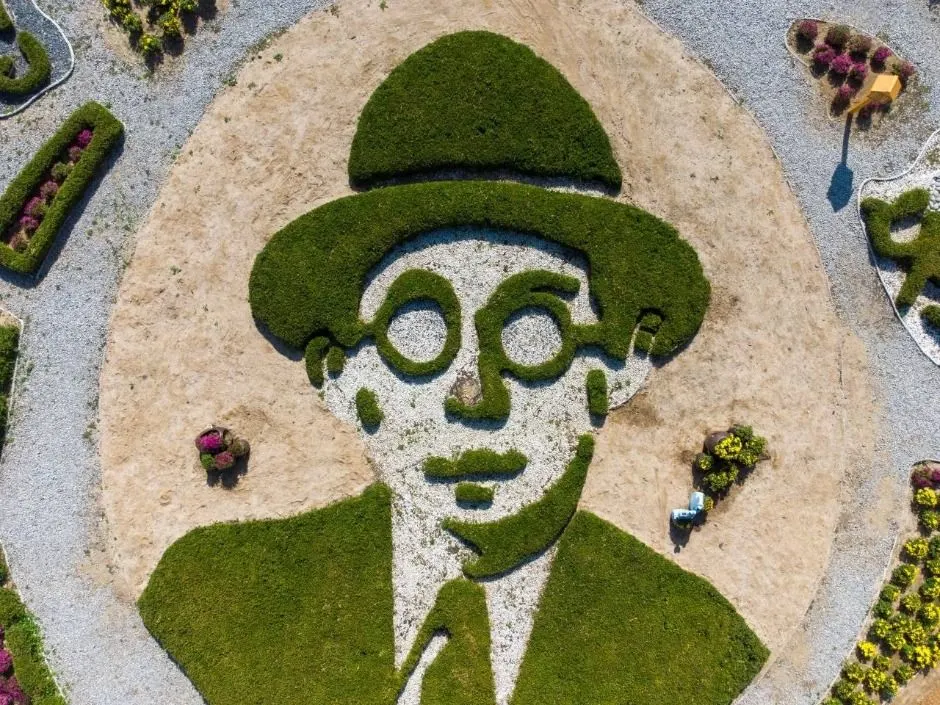
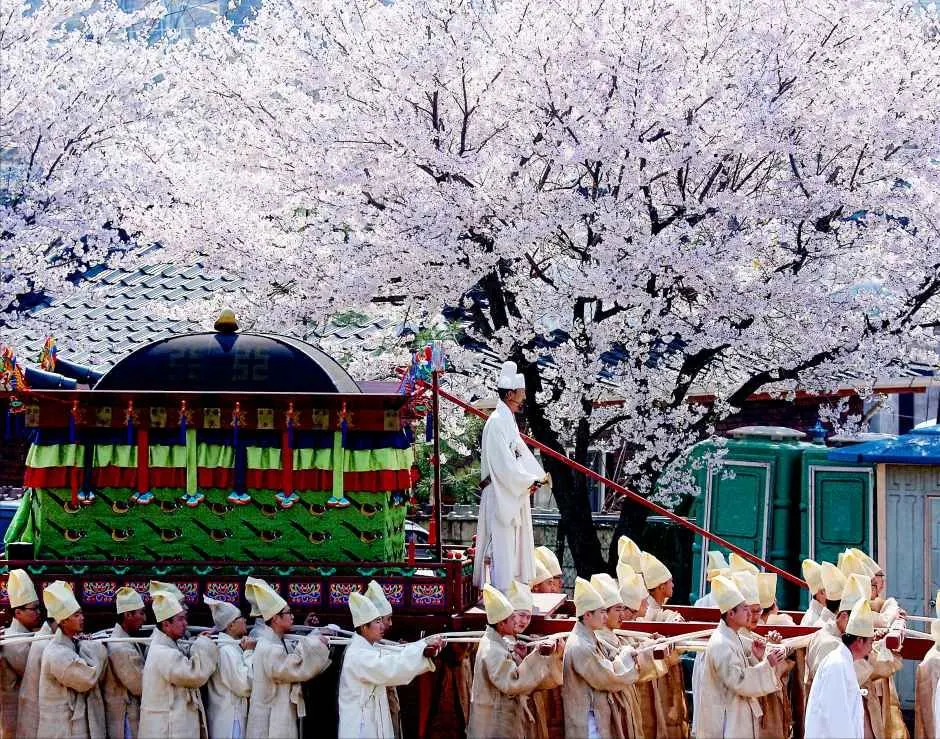
    The Danjong Culture Festival is the royal-history choice in this guide. Its official Korea Tourism Organization description explains that it is a major festival of Yeongwol-gun in Gangwon-do, a historic cultural event held annually since 1967 in memory of King Danjong, the sixth monarch of the Joseon dynasty, with a range of activities and programs open to all visitors. Yeongwol is closely associated with King Danjong’s history, giving the festival a strong local and historical anchor. It suits visitors interested in Joseon heritage. Because dates and the program change each year, confirm current details from the official source before planning your visit.

    Address: Hasong-ri, Yeongwol-eup, Yeongwol-gun, Gangwon-do

    More info
  2. 2.Hyoseok Cultural Festival (평창효석문화제)

    Hyoseok Cultural Festival (평창효석문화제)

    A Pyeongchang festival celebrating novelist Lee Hyo-seok amid buckwheat-flower fields in Bongpyeong.

    • Celebrates Lee Hyo-seok
    • Set in Bongpyeong
    • Buckwheat-flower scenery

    The Hyoseok Cultural Festival is the literary-and-scenic choice here. Its official description explains that it celebrates the novelist Lee Hyo-seok, who was from Pyeongchang and known for combining story with the beauty of nature, and that it is held in Bongpyeong, the setting of his famous work “When the Buckwheat Flowers Bloom.” The festival runs literary programs such as an essay contest, poetry events, and bookmaking, with evening performances, while the surrounding fields fill with white buckwheat flowers as a scenic backdrop. It is an autumn festival by nature. Because exact dates and programs change yearly, confirm the current schedule from official sources before visiting.

    Address: 157, Ihyoseok-gil, Bongpyeong-myeon, Pyeongchang-gun, Gangwon-do

    More info
  3. 3.Jeongdongjin Sunrise Festival (정동진 해맞이 축제)

    Jeongdongjin Sunrise Festival (정동진 해맞이 축제)

    A Gangneung New Year festival at Sandglass Park with a giant turning sandglass.

    • New Year sunrise event
    • Giant 8-ton sandglass
    • Fireworks and performances

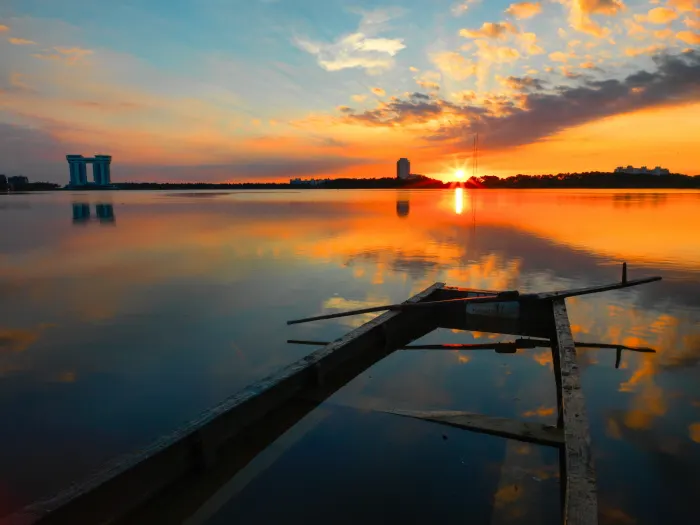
    The Jeongdongjin Sunrise Festival is the New Year choice in this guide. Its official description explains that many people gather to celebrate a fresh start on the eve of the year and the first day of the New Year at Sandglass Park, where a sandglass 8.06 meters in diameter and holding 8 tons of sand takes a full year to empty before being turned again at midnight on New Year’s Day. Festival events include a fireworks display, the turning of the sandglass, and performances by various artists. It suits visitors who want a symbolic seasonal event on the east coast. Confirm current timing and program from the official source before visiting.

    Address: Jeongdongjin2-ri, Gangneung-si, Gangwon-do

    More info
  4. 4.Chuncheon Mime Festival (춘천마임축제)

    Chuncheon Mime Festival (춘천마임축제)

    A Chuncheon performing-arts festival, recognized as one of the world’s three major mime festivals.

    • Leading performing-arts festival
    • Held annually in Chuncheon
    • World’s three major mime festivals

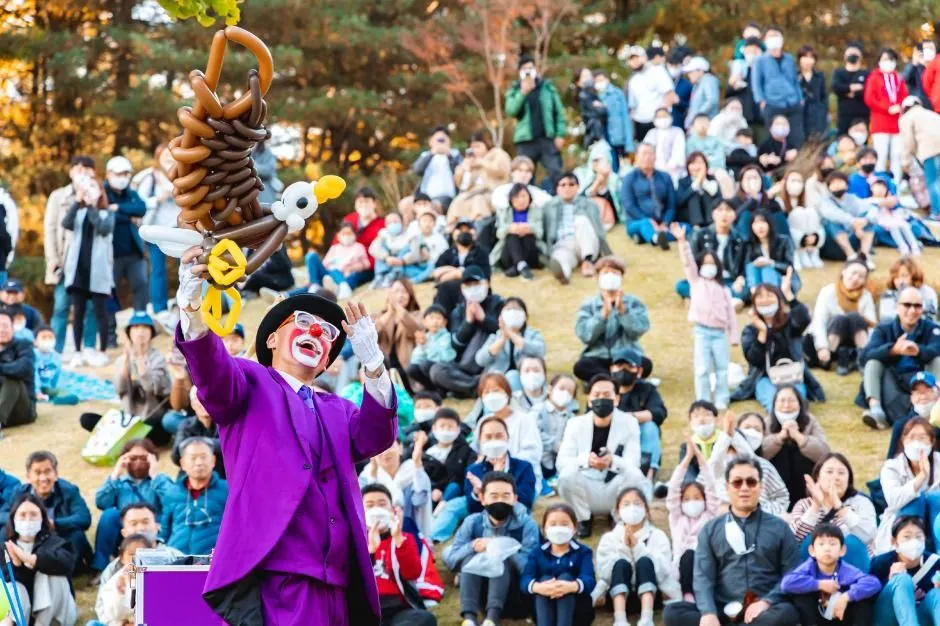
    The Chuncheon Mime Festival is the contemporary performing-arts choice here. Its official description explains that it is one of Korea’s leading performing-arts festivals, held every year in Chuncheon and recognized as one of the world’s three major mime festivals alongside France’s Mimos Mime Festival and the London Mime Festival. It blends mime with water, fire, flowers, light, video, and other forms into a distinctive “nanjang” festival that expresses the spirit of the city and its people. It has built an artistic identity of its own over the years. It is typically held in late spring, but exact dates and themes change each year, so confirm the current schedule from the official source before planning your visit.

    Address: 112, Chuncheon-ro, Chuncheon-si, Gangwon-do

    More info

FAQ

Which Gangwon festival is rooted in royal history?

The Danjong Culture Festival in Yeongwol. Its official Korea Tourism Organization description explains that it is a major festival of Yeongwol-gun, a historic cultural event held annually since 1967 in memory of King Danjong, the sixth monarch of the Joseon dynasty, with a range of activities and programs open to all visitors. Yeongwol is closely tied to King Danjong’s history. Because the exact dates and program change each year, confirm current details from the official source before planning your visit.

Which festival combines literature with seasonal scenery?

The Hyoseok Cultural Festival in Pyeongchang. Its official description explains that it celebrates the novelist Lee Hyo-seok, who was from Pyeongchang and is known for works blending story with the beauty of nature, and that it is held in Bongpyeong, the setting of his famous work “When the Buckwheat Flowers Bloom.” The festival runs literary programs such as an essay contest and poetry events, with fields of white buckwheat flowers as a scenic backdrop. It is an autumn festival by nature, but exact dates change yearly, so confirm the current schedule from official sources.

Which festival is tied to the New Year?

The Jeongdongjin Sunrise Festival in Gangneung. Its official description explains that many people gather to celebrate a fresh start on the eve of the year and the first day of the New Year at Sandglass Park, where an 8.06-meter-diameter sandglass holding 8 tons of sand takes a full year to empty and is turned again at midnight on New Year’s Day. Festival events include a fireworks display, the turning of the sandglass, and performances. Because timing and program change, confirm current details from the official source before visiting.

Which festival is best for contemporary performing arts?

The Chuncheon Mime Festival. Its official description explains that it is one of Korea’s leading performing-arts festivals, held annually in Chuncheon and recognized as one of the world’s three major mime festivals alongside France’s Mimos and the London Mime Festival. It blends mime with water, fire, light, video, and other forms into a distinctive “nanjang” festival. It is typically held in late spring, but exact dates and themes change each year, so confirm the current schedule from the official source before planning your visit.

Can I rely on this guide for festival dates and programs?

No. This guide records stable festival identities reviewed on the stated fact-check date. Dates, programs, venues, ticketing, and access change every year and are set by each organizer. Always confirm the official source for each festival before you travel, book transport and accommodation early for popular events, and never assume a festival is running on a specific date simply because it appears in this comparison.