Gyeongnam Museums & Galleries BEST 9

Explore the rich cultural heritage and artistic expressions across Gyeongnam, from ancient history to modern art.

By Chansoo Yang5/27/20265 min read
Gyeongnam Museums & Galleries BEST 9

Gyeongnam Province, located in the southeastern part of South Korea, is a region steeped in history and artistic tradition. From ancient archaeological sites to vibrant contemporary art scenes, Gyeongnam offers a diverse range of museums and galleries for every interest. This guide highlights nine must-visit institutions that showcase the province's unique cultural tapestry.

Our selection focuses on institutions that provide deep insights into specific historical periods, unique regional crafts, significant artistic movements, or the natural heritage of Gyeongnam. We prioritized places offering comprehensive collections and engaging exhibits, ensuring a rewarding experience for visitors interested in history, art, and culture.

When visiting, check the operating hours and any special exhibition schedules beforehand, as these can vary. Many museums offer guided tours, which can enhance your understanding. Consider combining visits to nearby attractions to make the most of your trip. Public transport is generally accessible, but some locations might be better reached by car.

Gyeongnam Museums & Galleries BEST 9

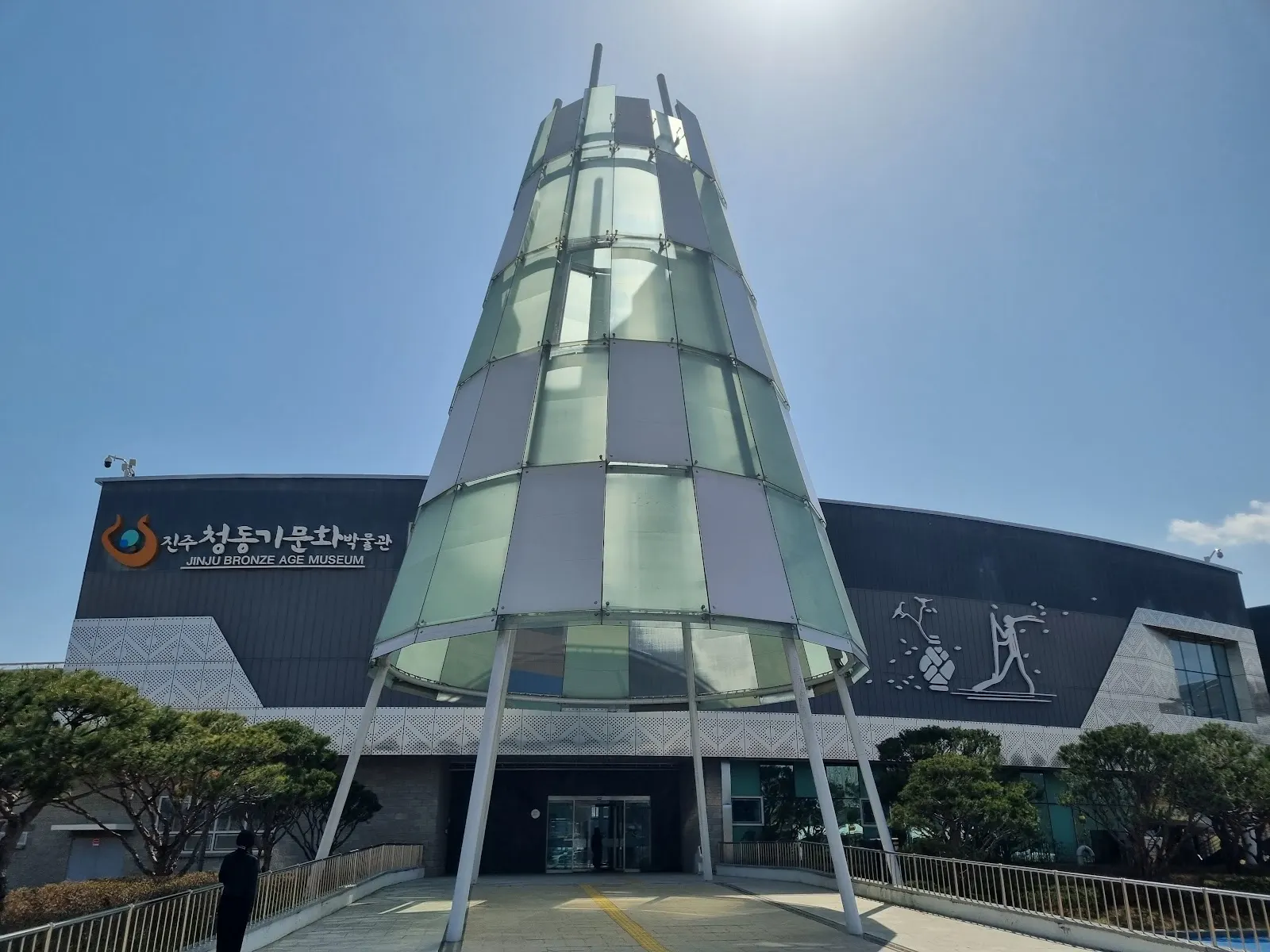
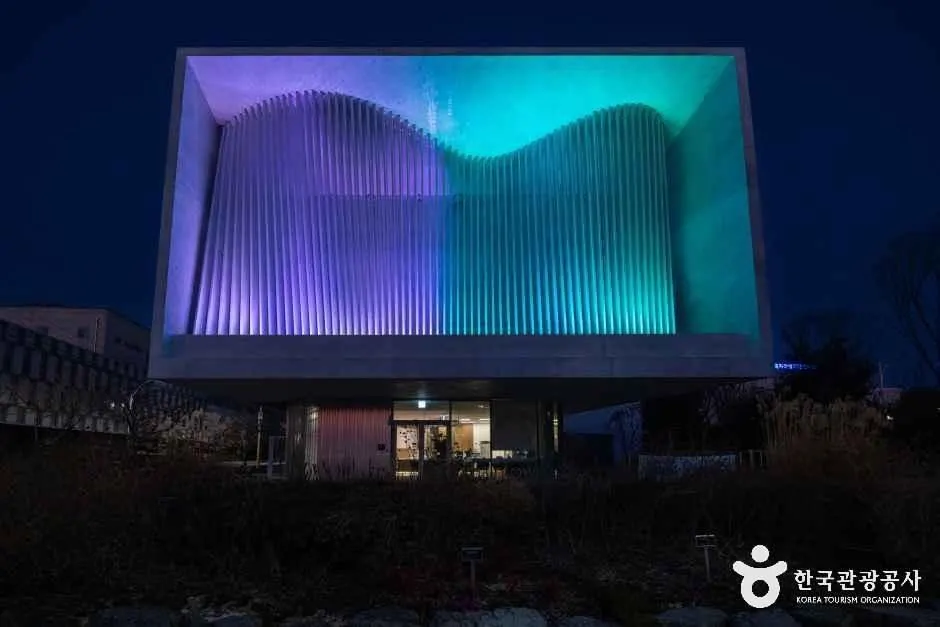
  1. 1.진주청동기문화박물관

    진주청동기문화박물관

    Jinju Bronze Age Culture Museum highlights the region's ancient past with artifacts from the Nakdong River basin.

    • Bronze Age artifacts and pottery
    • Reconstructed ancient settlements
    • Insights into early Korean life

    This museum showcases the rich archaeological heritage of the Nakdong River region during Korea's Bronze Age. It houses excavated artifacts like pottery, bronze tools, and ritual objects, providing a glimpse into the daily life and cultural practices of ancient peoples. Visitors can explore reconstructed settlements and learn about trade routes, agricultural methods, and social structures of the era.

    Address: 경상남도 진주시 대평면 호반로 1353

    More info
  2. 2.진주실크박물관

    진주실크박물관

    Jinju Silk Museum explores the history and craft of silk production, focusing on Jinju's legacy.

    • Silk production process
    • Live silkworms during season
    • Traditional Korean textiles

    Dedicated to the historically significant silk production of Jinju, this museum traces the journey from silkworm cultivation to finished textiles. Exhibits detail the weaving, dyeing, and final product stages. Live silkworms are often displayed during the season, offering a unique educational experience. It covers Jinju's historical role in the Korean silk industry and its use in traditional clothing and contemporary fashion.

    Address: 경상남도 진주시 문산읍 월아산로 994

    More info
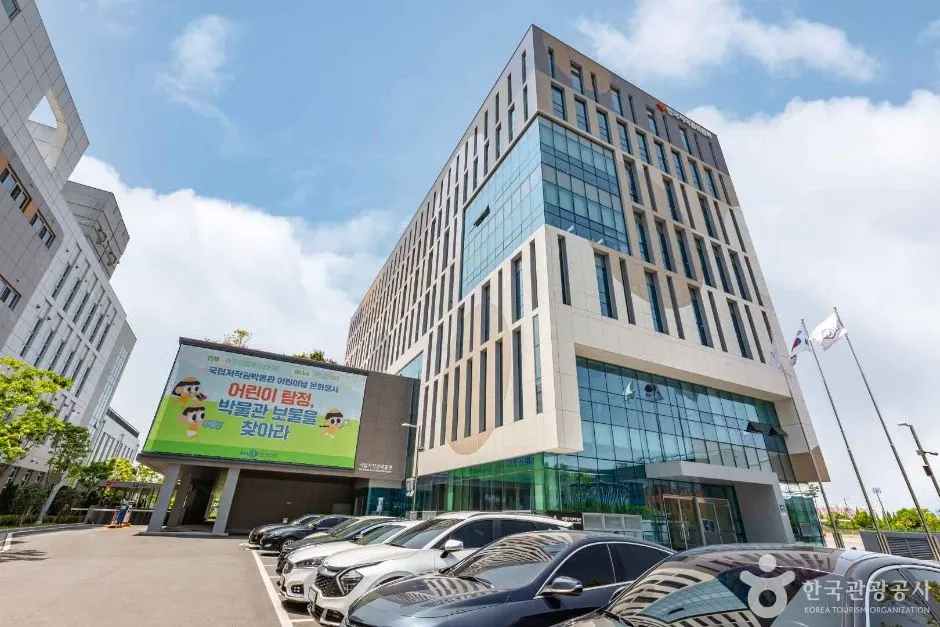
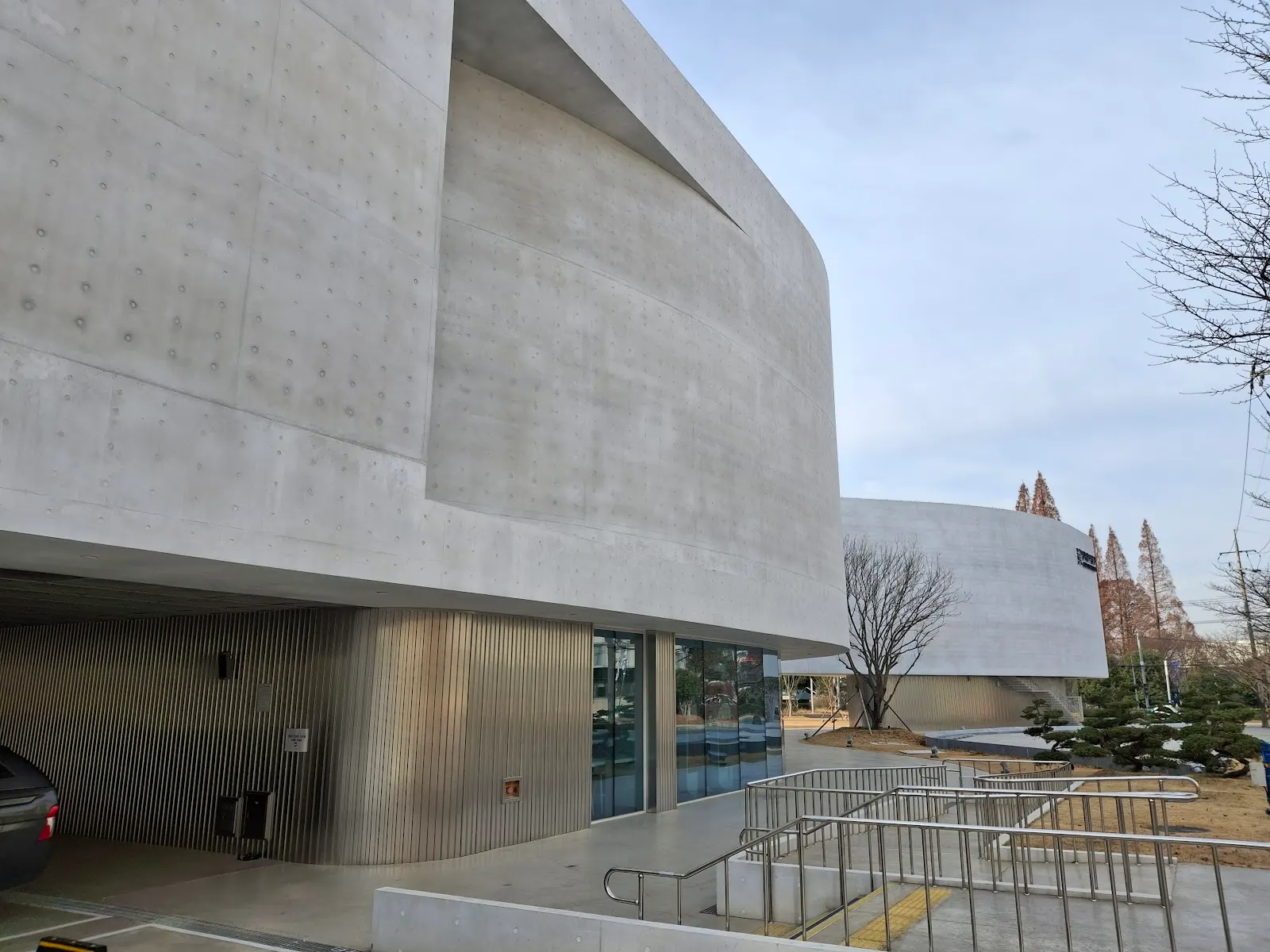
  3. 3.국립저작권박물관

    국립저작권박물관

    The National Copyright Museum delves into the history and evolution of copyright in Korea.

    • Copyright law history
    • Traditional printing heritage
    • Digital copyright issues

    This museum, part of the Korea Copyright Commission, documents the history and practice of copyright in Korea. Exhibits cover the evolution of copyright law, the nation's long tradition of woodblock printing and publishing, and modern copyright challenges, including digital content protection. It features historical documents, rare prints, and interactive displays explaining copyright concepts.

    Address: 경상남도 진주시 소호로 117 (충무공동)

    More info
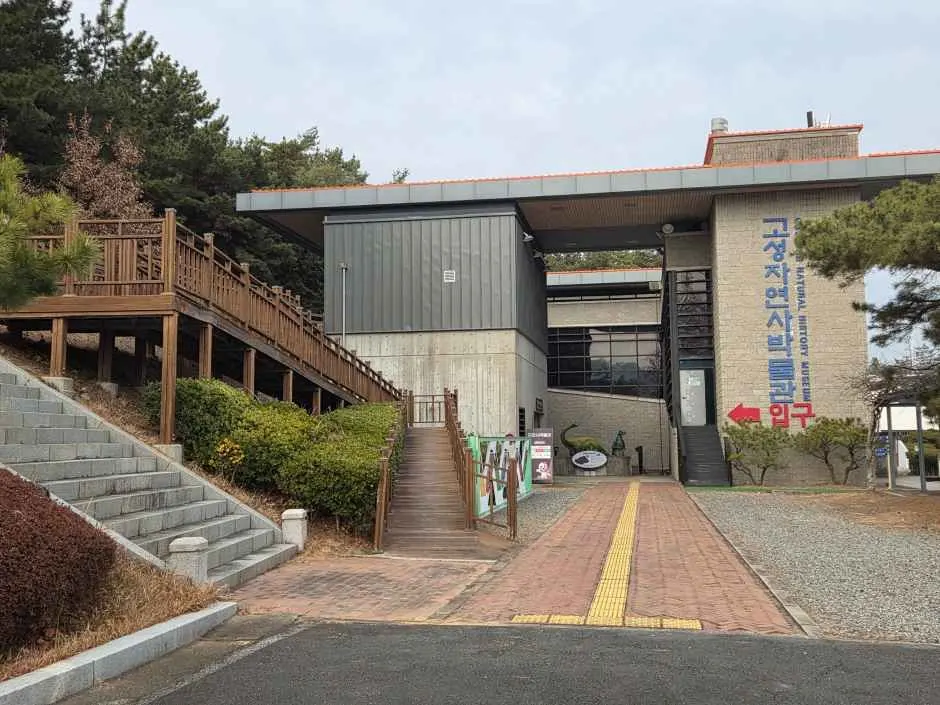
  4. 4.고성자연사박물관

    고성자연사박물관

    Goseong Natural History Museum focuses on paleontology, especially dinosaur fossils found in the region.

    • Dinosaur fossil replicas
    • Regional geological history
    • Marine and avian exhibits

    Located in an area renowned for its dinosaur footprints, this museum highlights the region's paleontological heritage. It features dinosaur skeleton replicas, fossil collections from Goseong, and information on the geological history of the Korean Peninsula. Broader natural history topics, including marine ecosystems and bird classifications, are also covered. Outdoor dinosaur models add to the visitor experience.

    Address: 경상남도 고성군 회화면 당항만로 1116

    More info
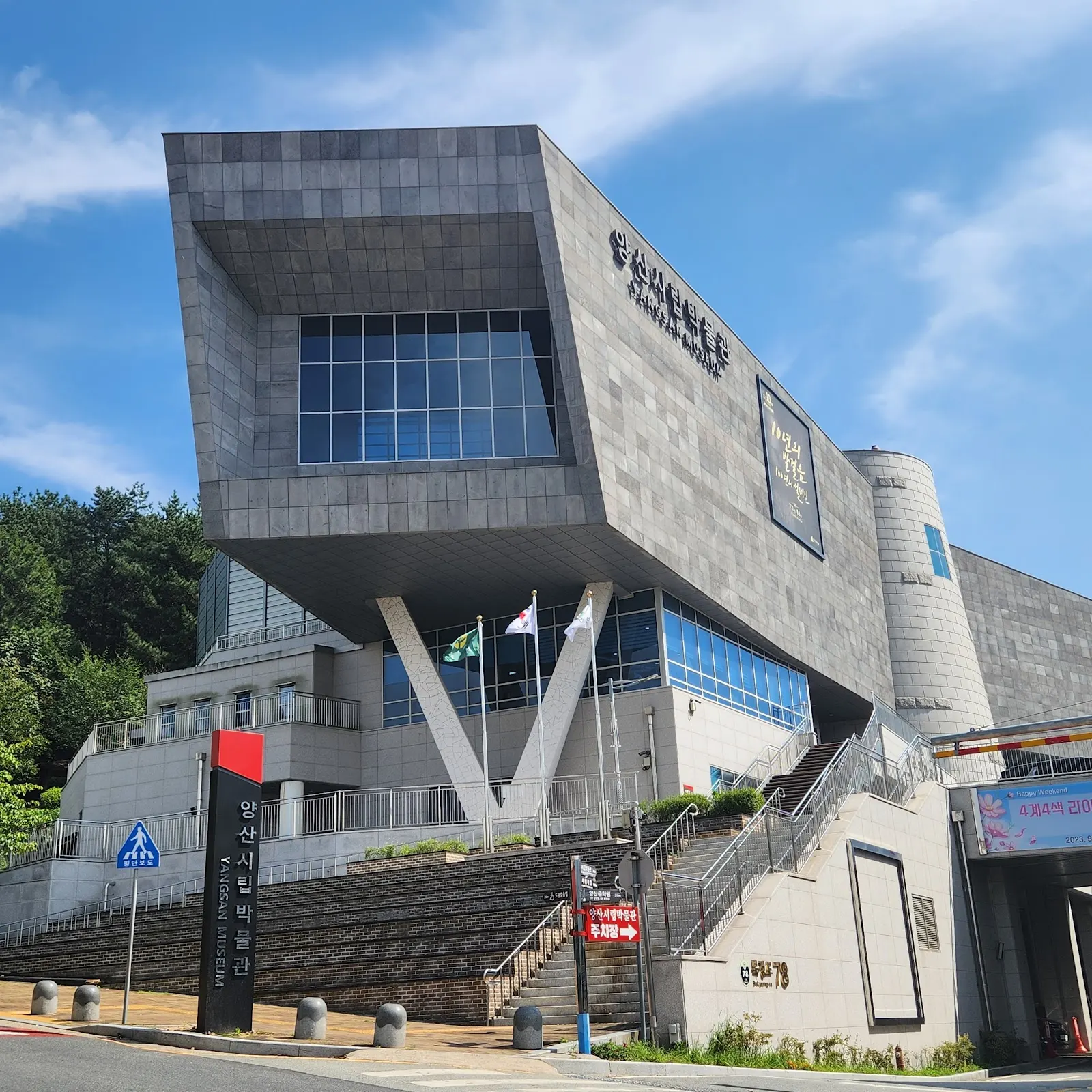
  5. 5.양산시립박물관

    양산시립박물관

    Yangsan City Museum chronicles the city's history from prehistoric times through to the modern era.

    • Prehistoric to modern history
    • Archaeological findings
    • Local cultural heritage

    As Yangsan's primary cultural heritage institution, this museum traces the city's history from its Bronze Age settlements through the Silla, Goryeo, and Joseon dynasties, up to modern times. Its permanent exhibition includes archaeological artifacts, historical documents, and folk life materials. It also explores the broader cultural heritage of the Yangsan area, including significant sites like Tongdosa Temple.

    Address: 경상남도 양산시 북정로 78

    More info
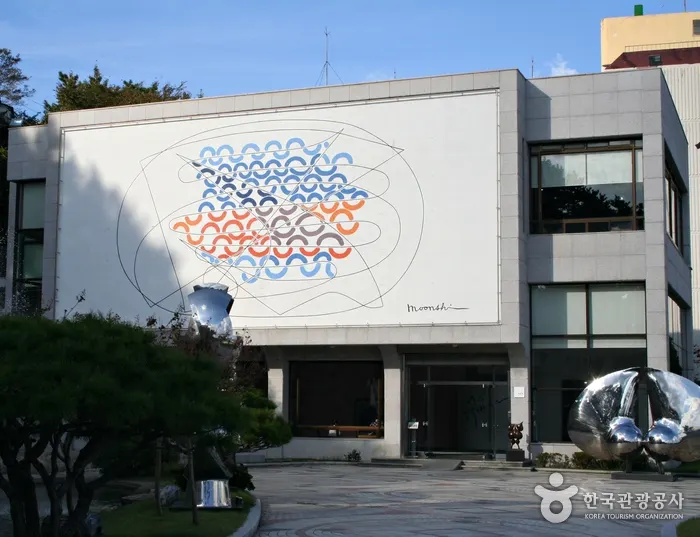
  6. 6.Changwon City Museum - Moonshin Art Museum (창원시립마산문신미술관)

    Changwon City Museum - Moonshin Art Museum (창원시립마산문신미술관)

    Changwon City Museum - Moonshin Art Museum honors sculptor Moon Shin's modernist works.

    • Modernist sculpture
    • Artist's life and work
    • Korean art history context

    This art museum is dedicated to the renowned 20th-century Korean modernist sculptor Moon Shin. His work is celebrated for bridging Korean aesthetics with international modernist sculpture traditions. The museum explores his life, career (including his time in France), key artworks, and his significant place in Korean art history. It features original works, archival materials, and outdoor displays.

    Address: 147, Munshin-gil, Masanhappo-gu, Changwon-si, Gyeongsangnam-do

    More info
  7. 7.진주실크박물관

    진주실크박물관

    Jinju Silk Museum details the intricate process of silk making and its cultural significance.

    • From silkworms to fabric
    • Historical significance
    • Contemporary silk industry

    This museum focuses on Jinju's historical importance as a major silk-producing region. It guides visitors through the entire silk-making process, from raising silkworms to weaving, dyeing, and creating finished textiles. The displays cover the historical role of Jinju silk in Korean clothing and its relevance in the modern textile and fashion industries. Live silkworms are often exhibited, adding an interactive element.

    Address: 경상남도 진주시 문산읍 월아산로 994

    More info
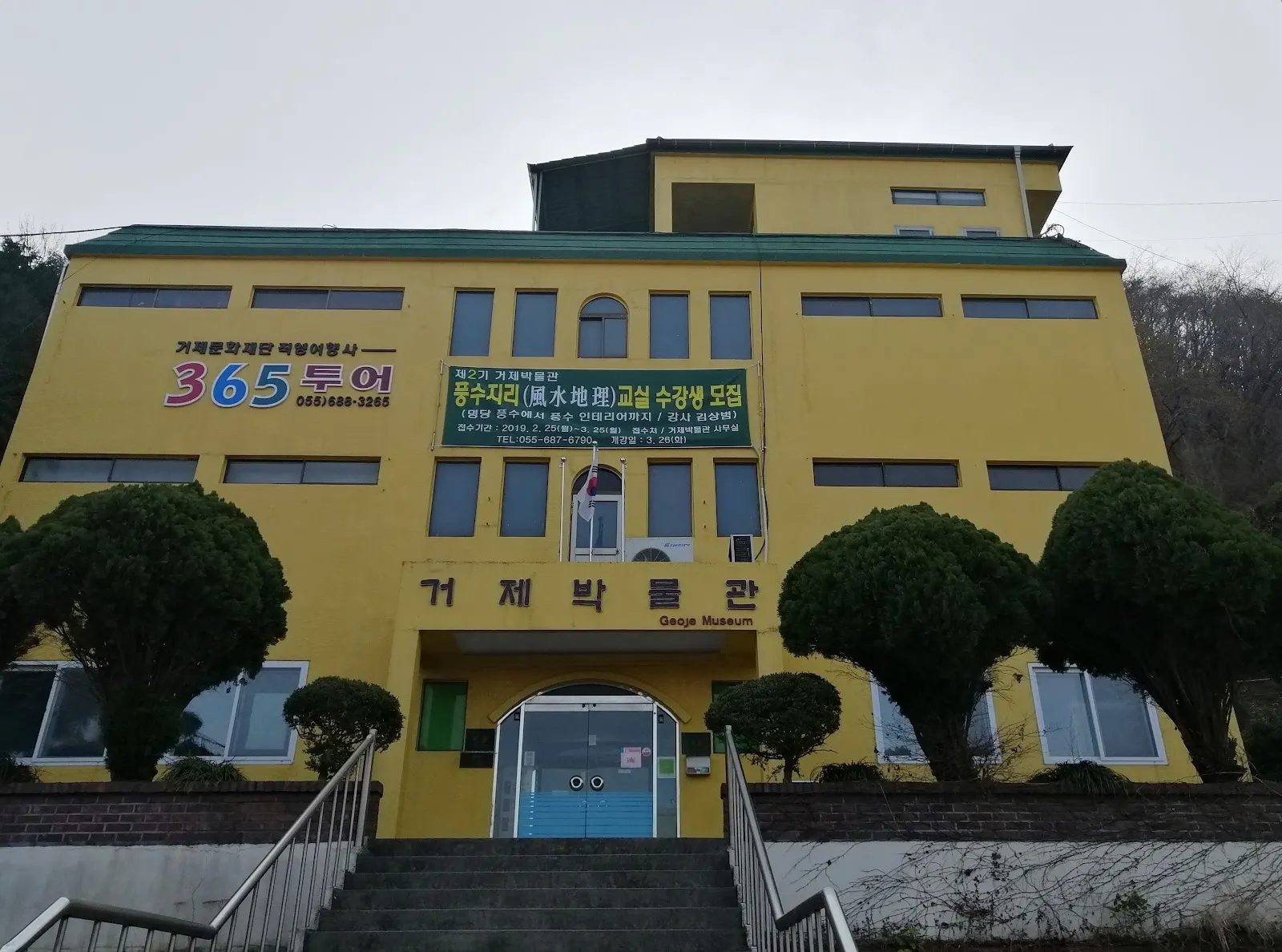
  8. 8.거제박물관

    거제박물관

    Geoje Museum presents the island's extensive history, from ancient settlements to modern industrial development.

    • Island history and culture
    • Korean War significance
    • Maritime heritage

    Serving as Geoje City's main cultural institution, this museum chronicles the island's long history. It covers periods from prehistoric settlements and the Three Kingdoms era through the Goryeo and Joseon dynasties, highlighting Geoje's role as a coastal defense base. The museum also addresses its importance during the Korean War as a POW camp site and its transformation into a major shipbuilding center.

    Address: 경상남도 거제시 거제대로 3791(옥포동)

    More info
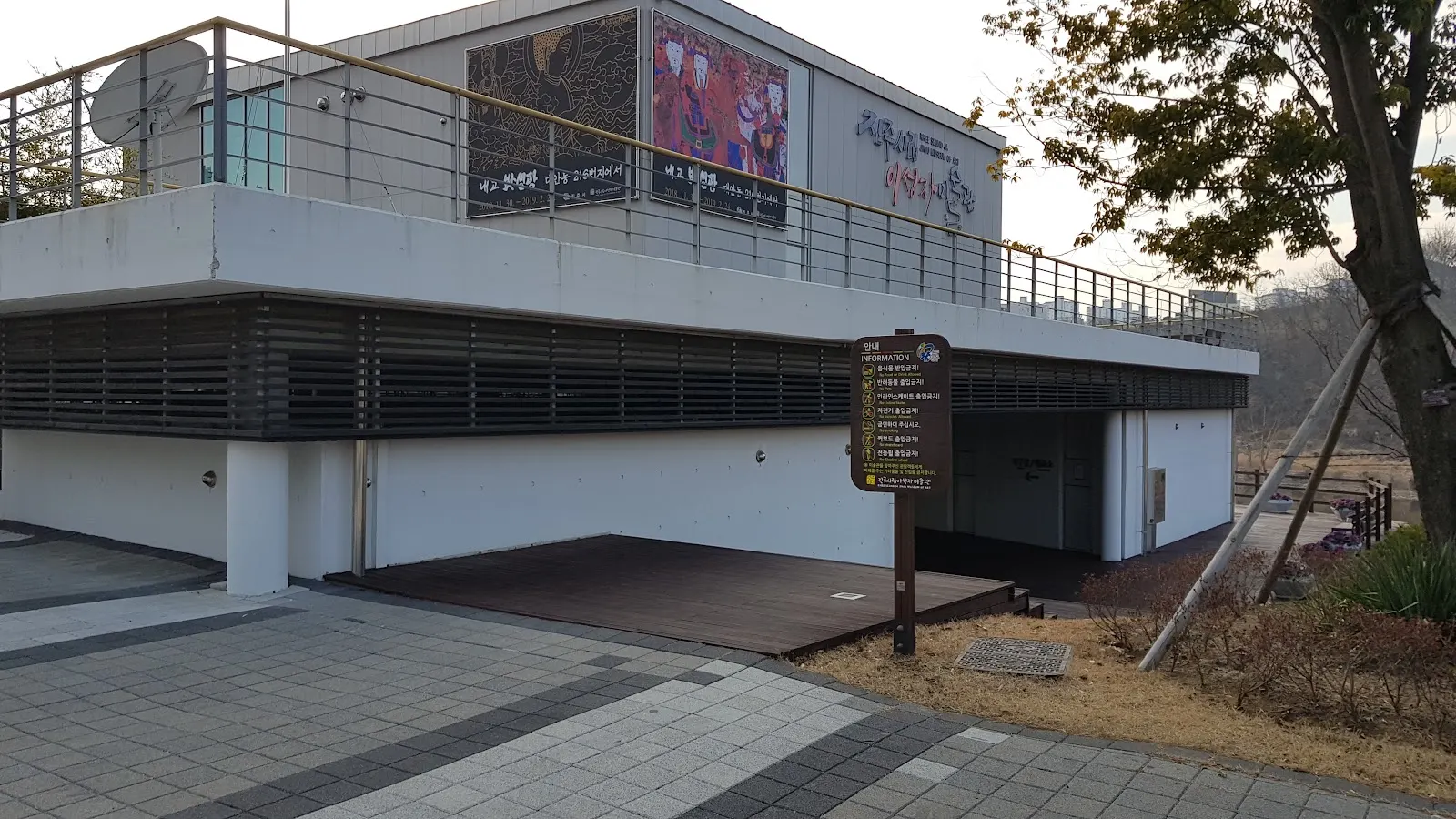
  9. 9.진주시립이성자미술관

    진주시립이성자미술관

    Jinju Lee Seong-ja Art Museum celebrates the abstract works of Korean painter Lee Seong-ja.

    • Abstract and calligraphic art
    • Artist's Korean-French connection
    • Modernist art movements

    This museum is dedicated to the abstract works of painter Lee Seong-ja, a prominent Korean artist who spent much of her career in Paris but maintained strong ties to her hometown, Jinju. Her art fluidly moved between abstract expressionism, calligraphic mark-making, and color field painting. The collection includes many works donated by the artist, alongside personal archives, showcasing her unique position within Korean and European modernist art.

    Address: 경상남도 진주시 에나로 128번길 14(충무공동)

    More info

FAQ

What is the best time to visit these museums?

Museums are generally open year-round. Spring (April-May) and autumn (September-October) offer pleasant weather for travel between locations. Weekdays are typically less crowded than weekends.

How can I get around Gyeongnam to visit these places?

Gyeongnam is accessible by KTX high-speed rail and intercity buses. Within cities, public buses and taxis are available. Some more remote museums might be best reached by rental car for flexibility.

Are there any budget-friendly tips for visiting?

Many public museums have free or low admission fees. Look for combination tickets if available or consider purchasing a regional pass if one exists. Pack your own snacks and water to save on on-site purchases.

What are some recommended pairings with museum visits?

Many museums are located near historical sites, natural attractions, or local markets. For instance, a visit to a history museum could be paired with exploring nearby ancient ruins or traditional villages.

Are there any specific etiquette rules I should be aware of?

Always be mindful of museum rules regarding photography, touching exhibits, and noise levels. Follow guidelines for preserving the integrity of the artifacts and artworks for future visitors.