5 Jeju Beaches for Distinct Coastal Landscapes

Compare five officially documented Jeju beaches by landscape, walking context, facilities, and nearby sights before choosing a stop.

By Chansoo Yang6/15/2026Updated 7/22/20267 min read
5 Jeju Beaches for Distinct Coastal Landscapes

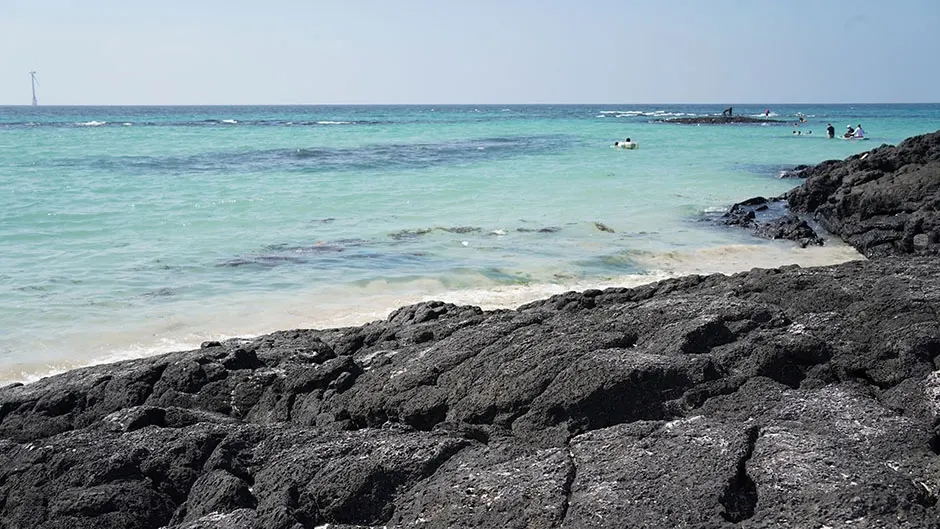
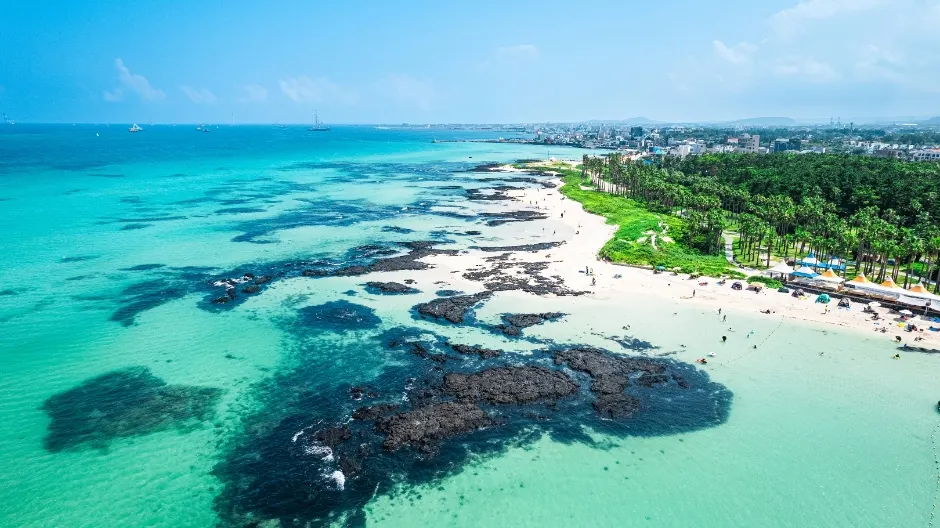
Jeju does not have one standard beach experience. The five places in this guide were selected because their official Korea Tourism Organization and Jeju Tourism Organization descriptions document visibly different settings. Hyeopjae combines pale shell sand, shallow water, pine trees, and a view toward Biyangdo Island. Gwangchigi is a black-sand volcanic coast beside Seongsan Ilchulbong and the junction of Jeju Olle routes 1 and 2. Woljeongri pairs an emerald-colored shoreline with cafés and a coastal road. Pyoseon changes markedly with the tide, opening into a broad round expanse at low water. Gimnyeong adds white sand, volcanic rock, a geological trail, and nearby lava-tube country. The list is intentionally short: every included Place has an English page reviewed against official tourism material, while unreviewed or ambiguous candidates were removed.

Use this as a landscape comparison rather than a live swimming bulletin. Beach opening periods, supervised swimming areas, activity rules, parking arrangements, weather, tides, and access conditions can change. Check the linked official destination page and local notices shortly before departure, and follow on-site safety instructions. Gwangchigi is principally a coastal-view and walking stop; its official descriptions emphasize low-tide lava formations, black sand, sunrise views, and the Olle route connection rather than swimming. Pyoseon is especially tide-dependent, while Hyeopjae, Woljeongri, and Gimnyeong are documented with visitor facilities or established beach use. Driving times and crowd levels are deliberately omitted because they depend on the date, starting point, road conditions, and current operations.

A practical way to choose is by geography and the rest of your itinerary. Hyeopjae fits a western Jeju day and sits next to Geumneung Beach. Gwangchigi works with Seongsan Ilchulbong or a walk on Jeju Olle Route 1 or 2. Woljeongri and Gimnyeong can anchor an eastern coastal day, but they provide different experiences: Woljeongri has a café-lined shore, whereas Gimnyeong is documented for geological features, water activities, and practical beach facilities. Pyoseon belongs to the southeast and is close to Jeju Folk Village. Do not treat proximity as proof that every pairing is walkable; consult current maps and transport information for the exact route you plan to use.
5 Jeju Beaches for Distinct Coastal Landscapes

  1. 1.Hyeopjae Beach (협재해수욕장)

    Hyeopjae Beach (협재해수욕장)

    A western Jeju beach with pale shell sand, shallow water, pine trees, and a view toward Biyangdo Island.

    • Shell-rich pale sand
    • Biyangdo Island view
    • Connected coast toward Geumneung

    Hyeopjae is the western option in this guide. VisitKorea describes sand formed from finely crushed shells, shallow water, a pine forest, and Biyangdo Island visible offshore. The official page also says the beach extends toward neighboring Geumneung Beach and lists visitor facilities. Choose it when the island view and a classic sandy shore matter more than a volcanic rock foreground. The Place has already passed the project’s English editorial indexability review. Treat published facility details as a planning baseline, not a guarantee: confirm current swimming periods, parking, showers, and local restrictions before departure.

    Address: 329-10 Hallim-ro, Hallim-eup, Jeju-si, Jeju-do

    More info
  2. 2.Gwangchigi Beach (광치기해변)

    Gwangchigi Beach (광치기해변)

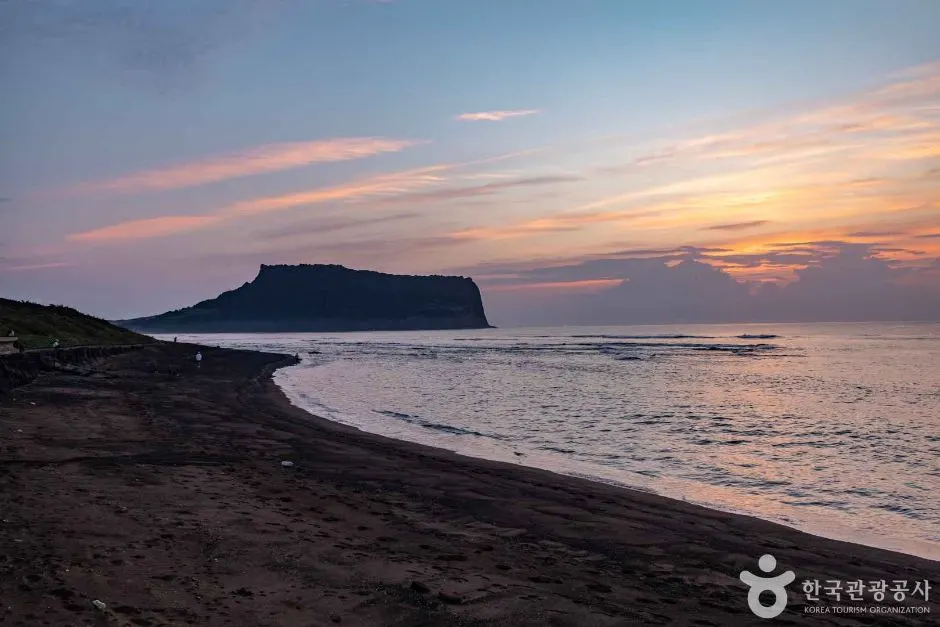
    A black-sand volcanic coast facing Seongsan Ilchulbong at the junction of Jeju Olle routes 1 and 2.

    • Seongsan Ilchulbong backdrop
    • Low-tide lava formations
    • Jeju Olle routes 1 and 2 junction

    Gwangchigi is best understood as a volcanic coastal-view stop. VisitKorea documents black sand, lava formations revealed at low tide, and a sunrise view with Seongsan Ilchulbong Tuff Cone behind the shore. Visit Jeju identifies the beach as the end of Jeju Olle Route 1 and the start of Route 2. Those features make it useful for walkers and landscape photography, but this guide does not classify it as a swimming recommendation. Check tide and weather information separately, stay within permitted areas, and use the official destination notices for current access and safety conditions.

    Address: Goseong-ri, Seongsan-eup, Seogwipo-si, Jeju-do

    More info
  3. 3.Woljeongri Beach (월정리해변(월정리해수욕장))

    Woljeongri Beach (월정리해변(월정리해수욕장))

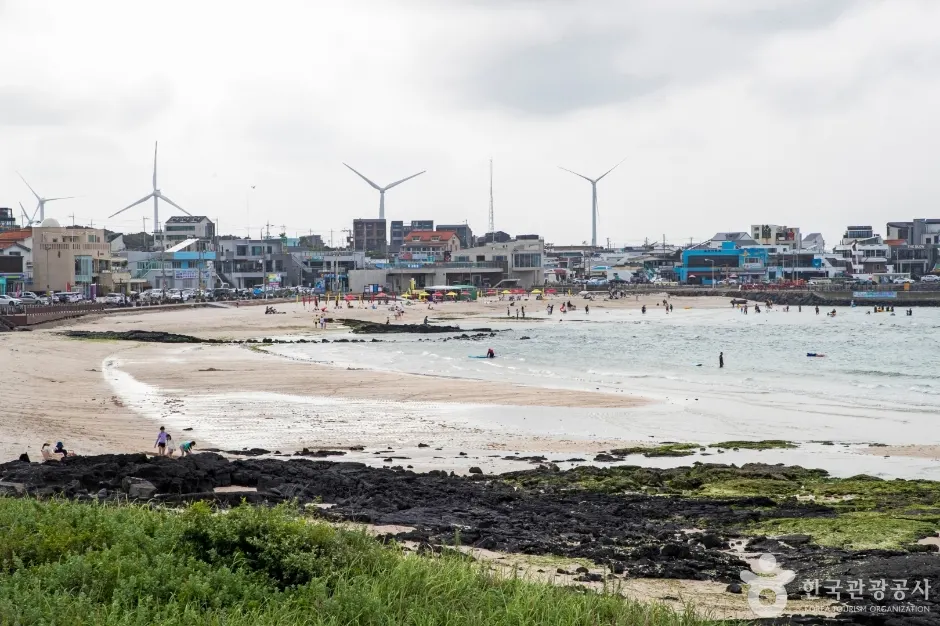
    An eastern Jeju shoreline known for emerald-colored water, white sand, cafés, and a road following the coast.

    • Emerald-colored shoreline
    • Cafés beside the beach
    • Eastern coastal-road setting

    Woljeongri offers an eastern coast experience where the beach and village edge meet. VisitKorea describes white sand, emerald-colored water, cafés looking onto the sea, and a road that follows the shoreline. Visit Jeju likewise presents the beach as a place for viewing the coast and records established visitor use. Choose it if access to cafés is part of the stop, rather than assuming it will feel remote. Café hours, beach operations, parking, water activities, and swimming conditions are changeable details, so verify them from current official notices and individual operators instead of relying on this reviewed overview.

    Address: 480-1 Haemajihaean-ro, Jeju-si, Jeju-do

    More info
  4. 4.Pyoseon Haevich Beach (표선 해비치 해변)

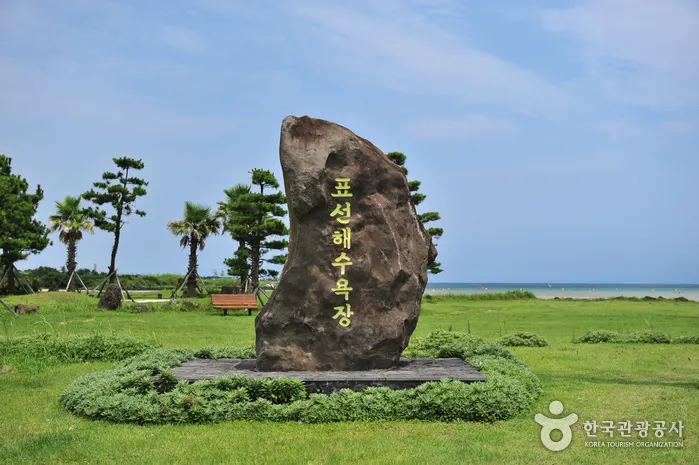
    Pyoseon Haevich Beach (표선 해비치 해변)

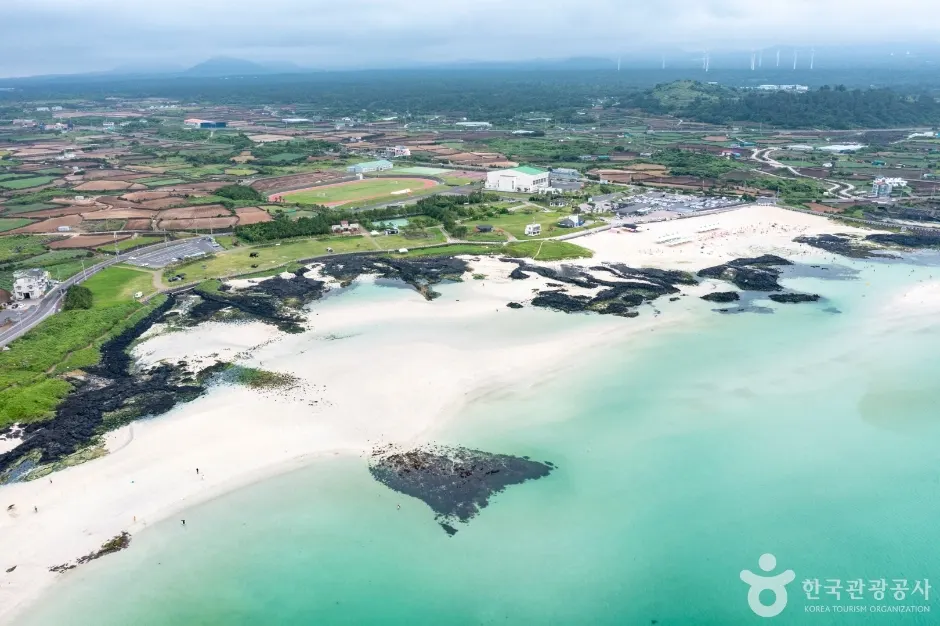
    A broad southeast Jeju beach whose white-sand shape changes noticeably between low and high tide.

    • Wide low-tide sand area
    • Shallow pond-like high-tide form
    • Near Jeju Folk Village

    Pyoseon stands out for the way its shore changes with the tide. Visit Jeju describes white sand revealed at low water and a shallow, pond-like form as the tide rises; VisitKorea also records the beach’s broad circular appearance. The official sources place it close to Jeju Folk Village, which can help shape a southeast Jeju itinerary. This is not a promise of safe wading at every time or date. Consult current tide, weather, swimming-zone, and local safety information before entering the water, and verify the route to any nearby attraction rather than assuming it is comfortably walkable.

    Address: Minsokhaean-ro, Seogwipo-si, Jeju-do

    More info
  5. 5.Gimnyeong Seongsegihaebyeon Beach (김녕성세기해변 (김녕해수욕장))

    Gimnyeong Seongsegihaebyeon Beach (김녕성세기해변 (김녕해수욕장))

    A northeastern beach combining white sand and cobalt-colored water with volcanic geology and nearby lava tubes.

    • White sand and cobalt-colored water
    • Geological trail setting
    • Nearby lava-tube landscape

    Gimnyeong combines a sandy beach with a stronger geological context. VisitKorea documents clear cobalt-colored water, clean white sand, fishing use, and proximity to Manjanggul Cave. Visit Jeju adds that sand accumulated over volcanic rock, identifies a geological trail, and lists practical facilities and several nearby caves. Choose it when you want a beach stop that can connect to Jeju’s volcanic landscape. Cave access, beach opening periods, water activities, pet rules, parking, and facilities can change independently, so consult current official notices for each activity instead of treating nearby features as automatically open.

    Address: 237 Gujwahaean-ro, Jeju-si, Jeju-do

    More info

FAQ

Which beach is best for a view of a volcanic landmark?

Choose Gwangchigi for a documented view of Seongsan Ilchulbong Tuff Cone. The official VisitKorea page describes lava that cooled where it met the sea, black sand, formations exposed at low tide, and a sunrise composition with the tuff cone behind the coast. Visit Jeju also identifies Gwangchigi as the connection between Jeju Olle routes 1 and 2. Conditions at low tide and sunrise vary, so check tide and weather information independently before planning photography.

Which included beach changes most visibly with the tide?

Pyoseon is the clearest tide-dependent choice in this set. Visit Jeju describes a broad white-sand area revealed as the tide ebbs and a shallow, pond-like form as water returns. VisitKorea likewise documents its circular appearance and changing form. These descriptions do not replace live tide or safety information. Confirm current local conditions and keep to any marked swimming or access area when you arrive.

Which beaches fit an eastern Jeju route?

Gwangchigi, Woljeongri, and Gimnyeong are the eastern options in this guide. Gwangchigi connects naturally with Seongsan and the Olle trail junction. Woljeongri is documented for its shoreline, cafés, and coastal road. Gimnyeong combines white sand and cobalt-colored water with volcanic geology and nearby caves. They should not automatically be combined into one day: calculate the route from your accommodation and verify current transport before deciding.

Can I rely on this guide for swimming hours and safety conditions?

No. This guide records stable destination characteristics reviewed on the stated fact-check date. Swimming periods, supervised zones, pet access, water activities, tides, weather warnings, parking, showers, and other facilities may change. Consult the official destination page, local authority notices, and signs or staff at the beach. Never infer that a scenic coastal stop is open or safe for swimming simply because it appears in a beach guide.

Which western Jeju beach is included?

Hyeopjae is the western Jeju choice. Official tourism information describes pale shell sand, shallow water, pine forest, and views toward Biyangdo Island; it also notes that the coast continues toward Geumneung Beach. The adjoining coastline can be useful for planning, but current access, swimming rules, and facilities still require a fresh check. This guide does not make a live claim about crowd levels or water temperature.