Seasonal
"A Scholar's Respite Amidst Nature?"... Gurye's Banghojeong Pavilion, a Joseon-era literary haven
Discover Banghojeong Pavilion in Gurye, a preserved Joseon-era wooden structure offering a glimpse into the scholarly life and appreciation of nature from centuries past.
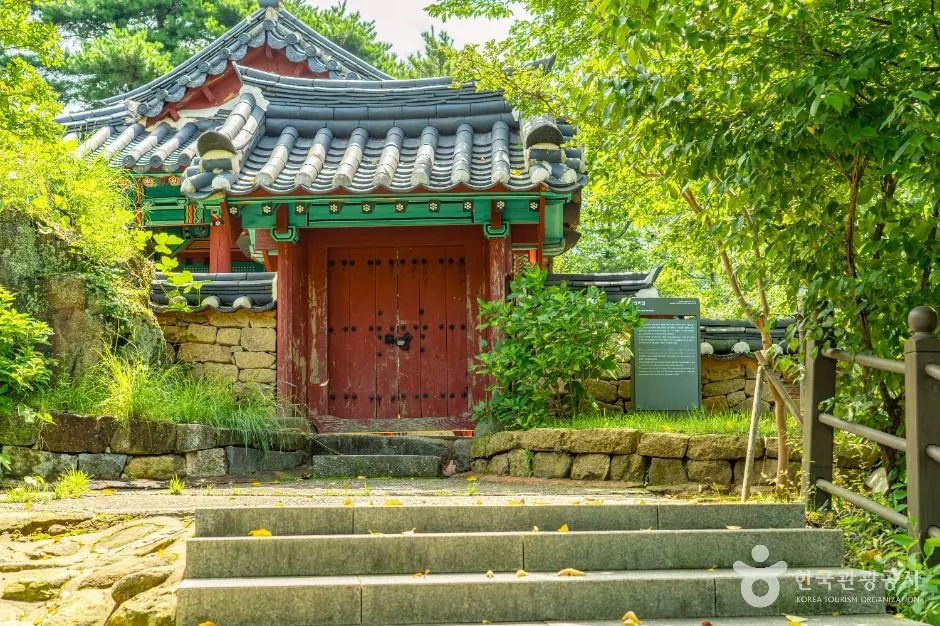
Tucked away in the verdant landscape of Gurye-gun, Jeollanam-do, lies Banghojeong, a wooden pavilion that whispers tales of the Joseon Dynasty. This architectural gem, more than just a building, served as a sanctuary for scholars, a place where minds found solace in nature and culture. Imagine stepping back in time, to an era where ink brushes flowed and contemplation was an art form. Banghojeong offers a unique window into this refined past, inviting visitors to experience its serene ambiance and historical significance.
The Enduring Charm of Joseon Scholar Culture

Banghojeong is a tangible link to the intellectual and aesthetic pursuits of Joseon Dynasty scholars. These were men of letters, philosophers, and artists who sought out spaces like Banghojeong to escape the rigors of official life and immerse themselves in literature, poetry, and the contemplation of nature.
The pavilion's design reflects this purpose, prioritizing harmony with its surroundings and offering a tranquil atmosphere conducive to deep thought and creative expression.
The very name, Banghojeong, hints at its function. While a direct translation can be elusive, 'Jeong' (정) invariably signifies a pavilion, a place of rest and enjoyment, often situated in scenic locations.
The 'Bangho' (방호) part may allude to a protective embrace of nature or perhaps a specific geographical feature nearby, further emphasizing its role as a secluded retreat. This pavilion was not merely a structure; it was a carefully chosen setting designed to inspire and rejuvenate the scholarly spirit.
Architectural Elegance Rooted in Nature

The pavilion's architecture is a testament to the sophisticated craftsmanship of the Joseon era. Constructed from wood, it features a raised wooden floor (maru), a traditional element that elevates living spaces off the ground, providing ventilation and a sense of separation from the earth.
This raised platform, characteristic of Korean traditional houses and pavilions, allows visitors to feel both connected to and distinct from the natural environment below.
Sliding door panels, or 'mi-sal-mun' (미살문), form part of the pavilion's walls, offering flexibility in how the space is experienced. These panels can be opened to fully embrace the surrounding scenery, blurring the lines between the interior and exterior.
When closed, they provide shelter and a more intimate setting. This design choice is a hallmark of traditional Korean architecture, demonstrating an ingenious approach to climate control and the integration of indoor and outdoor living.
A Living Cultural Heritage Site

Banghojeong is recognized as a designated cultural property, underscoring its historical and artistic importance. This designation ensures its preservation for future generations, safeguarding the integrity of its architecture and its connection to the cultural heritage of the Gurye region. This area, like many in Jeollanam-do, boasts a rich history intertwined with scholarly traditions, landscape painting, and a deep appreciation for the natural world.
Visiting Banghojeong offers more than just a sightseeing opportunity; it's an immersion into the philosophical and aesthetic values of the Joseon Dynasty. It provides context for understanding the lives of scholars, their relationship with nature, and the artistic expressions that flourished during that period.
The pavilion serves as a quiet reminder of a time when human endeavors were deeply connected to the rhythms of the natural world.
Visiting Banghojeong: Practical Considerations

Banghojeong is situated within the broader Gurye area, a region known for its natural beauty and historical sites. While the pavilion itself is a compact structure, its appeal lies in its serene setting and historical context.
Visitors should approach their visit with a sense of quiet appreciation, much like the scholars who once frequented the pavilion. The surrounding area offers opportunities for gentle walks and enjoying the local scenery, making it a peaceful addition to a travel itinerary.
Access to Banghojeong is typically straightforward, though it's advisable to check local information for any specific visiting hours or guidelines, especially as it is a cultural heritage site. The best times to visit are often during the spring for blossoming flora or autumn for vibrant foliage, when the natural beauty surrounding the pavilion is at its peak.
Consider combining a visit with other nearby attractions in Gurye to create a more comprehensive cultural and scenic exploration of the region.
Where is Banghojeong Pavilion located?
Banghojeong is located in Gurye-gun, Jeollanam-do, South Korea.
What is the main feature of Banghojeong?
It's a preserved Joseon-era wooden pavilion, historically a place for scholars to contemplate and engage in literary pursuits.
Is there an admission fee for Banghojeong?
Admission is typically free, as it is a cultural heritage site open to the public.
What are nearby attractions in Gurye?
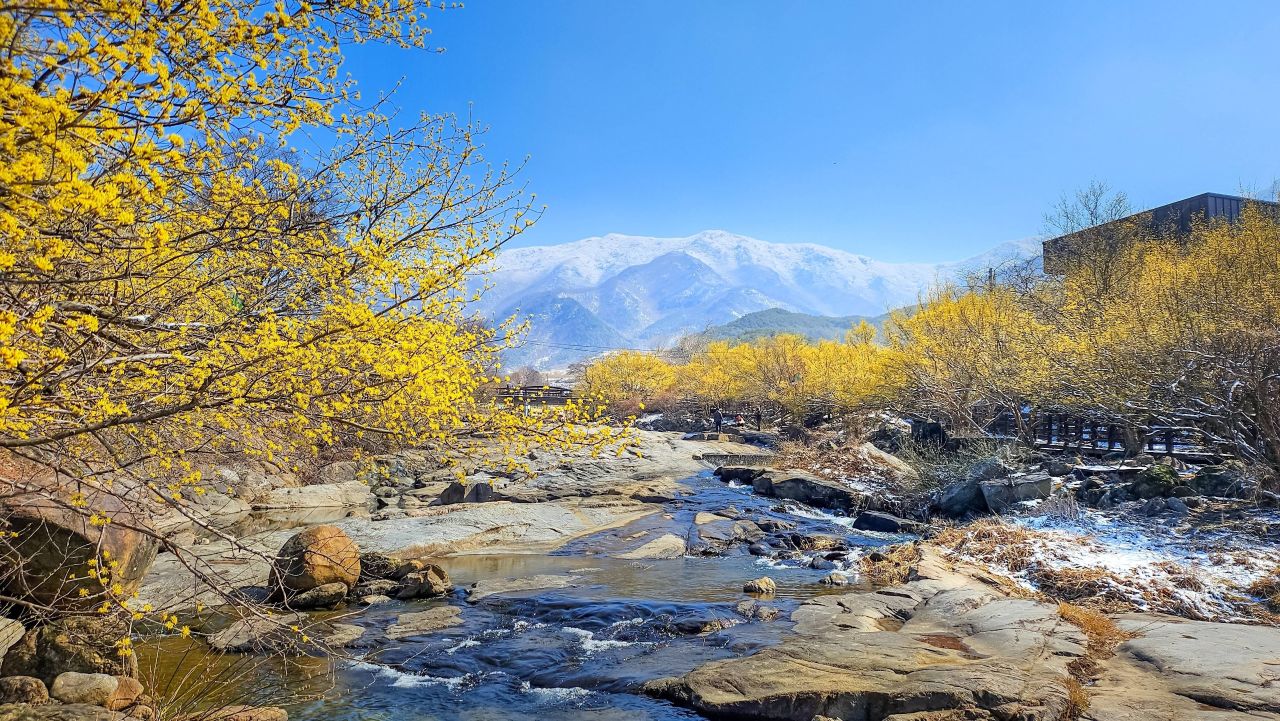
Nearby attractions include Hwaeomsa Temple, Jirisan National Park, and the Gurye Sansuyu Village.
How can I best experience Banghojeong?
Visit during a quiet time, appreciate the architecture, and imagine the scholarly atmosphere of the Joseon era.